50 min
European
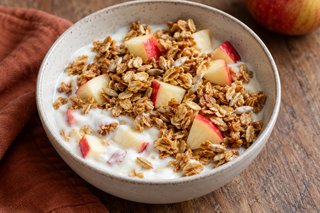
Oat and sunflower seed granola with apple yogurt
Golden toasted oats and sunflower seeds on plain yogurt with fresh apple cubes.
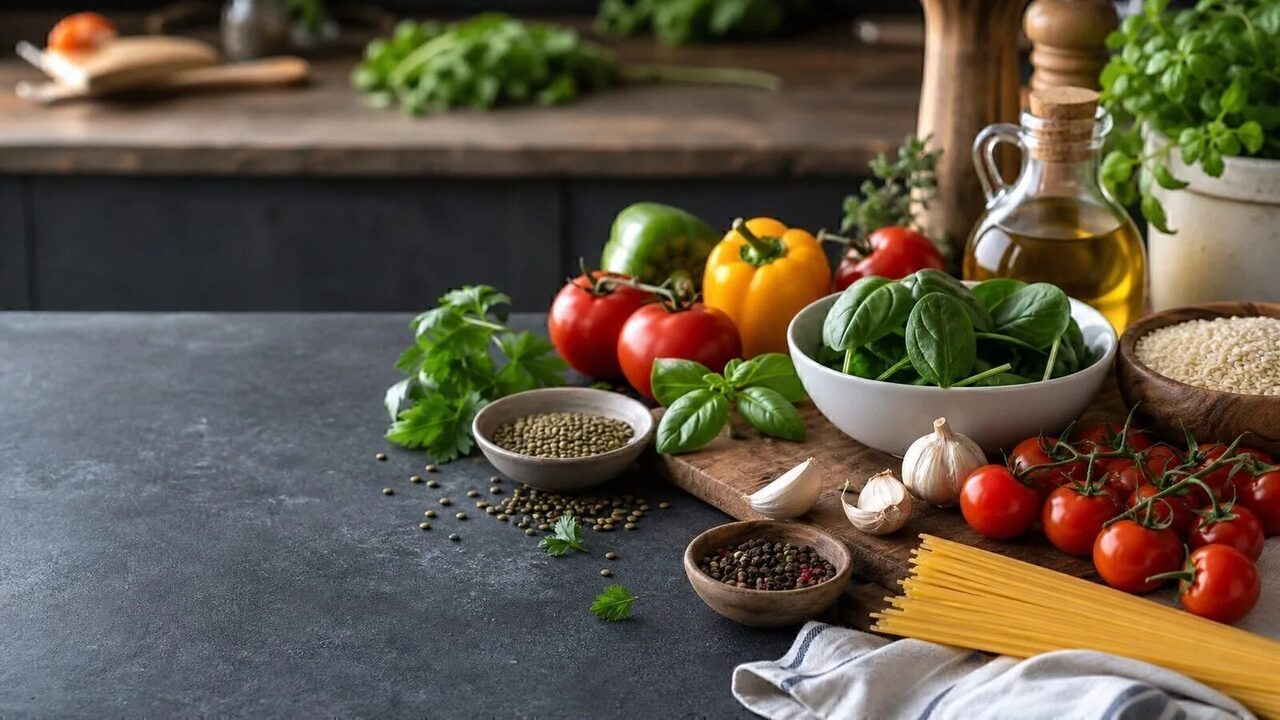
Start with what is already in your kitchen. Pick a main ingredient to find recipes that help you use fresh food, pantry staples and leftovers in a practical way.
Topics
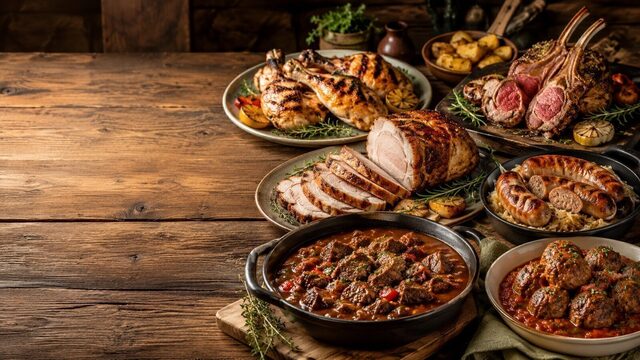
Meat recipes with beef, pork, poultry, lamb and mince for the frying pan, oven, grill and casserole.
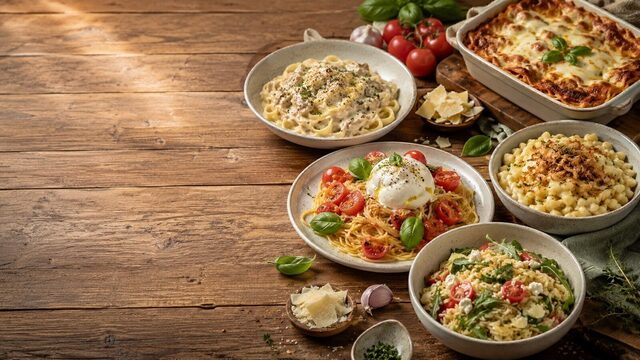
Pasta and noodle recipes for quick sauces, bakes, salads, Asian-style dishes and easy one-pot meals.
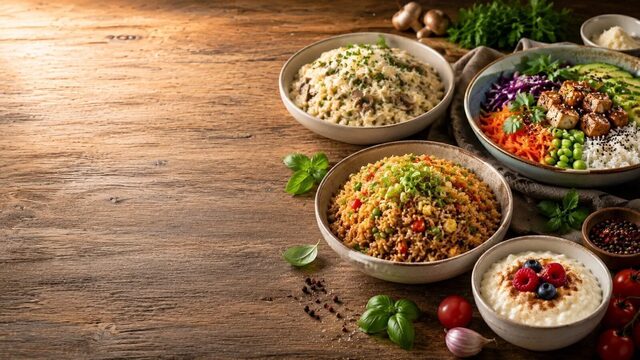
Rice recipes for curries, bowls, risotto, fried rice, salads, side dishes and creamy desserts.
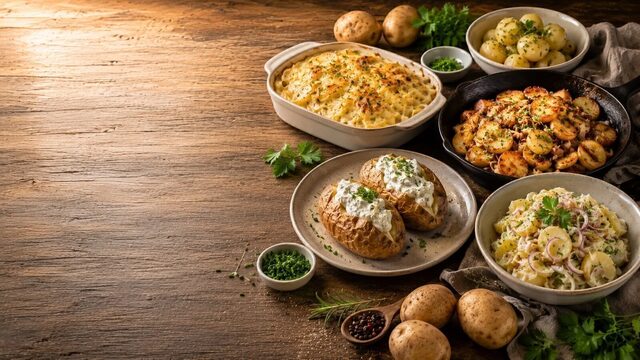
Potato recipes for crisp roasts, pan-fried potatoes, mash, soups, salads, gratins and versatile side dishes.
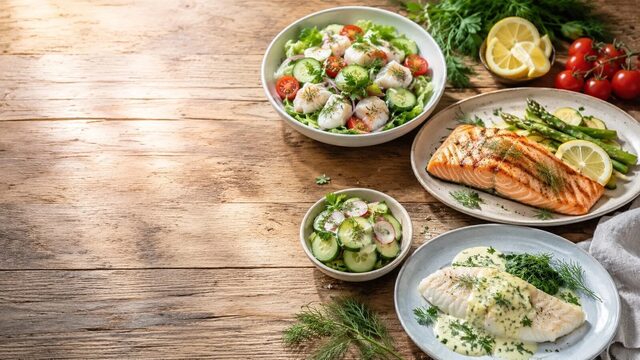
Approachable fish recipes with salmon, cod, pollock, trout and more for the pan, oven, grill or pot.
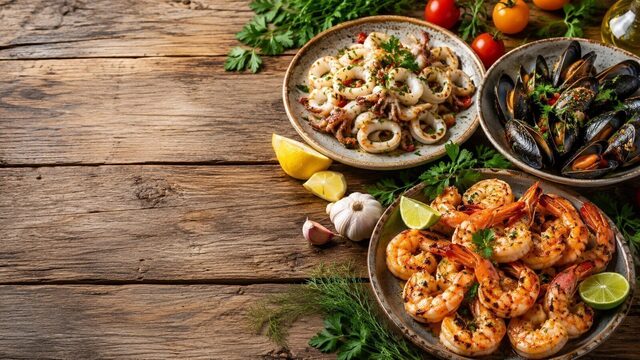
Seafood recipes with prawns, mussels, scallops and squid for pasta, rice, soups, grills and starters.
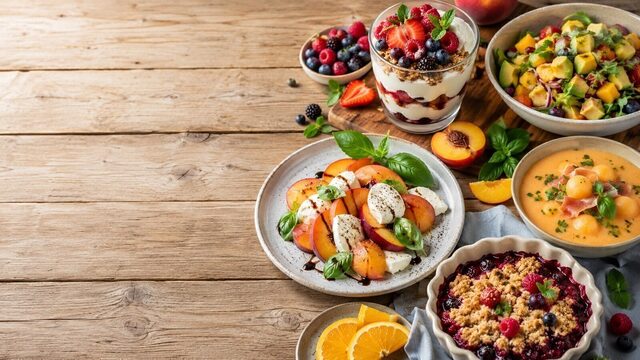
Fruit recipes with apples, berries, pears and citrus for breakfast, cakes, desserts, drinks and savoury salads.
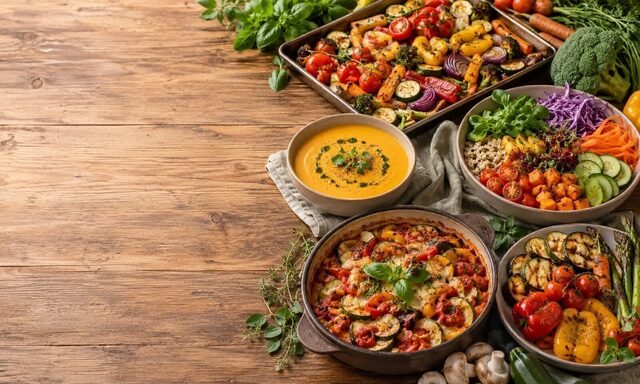
Seasonal vegetable recipes for quick skillets, oven dishes, soups, salads, curries and filling meat-free mains.
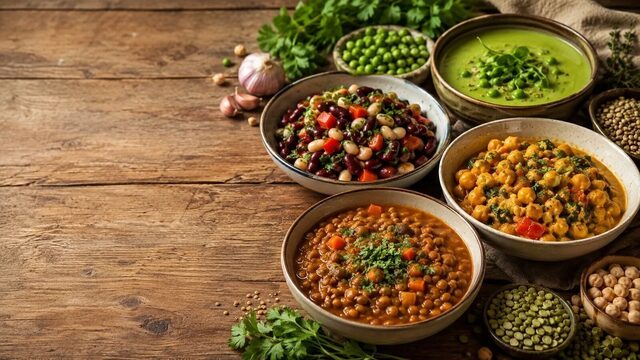
Recipes with lentils, beans, chickpeas and peas for curries, soups, salads, spreads and vegetarian mains.
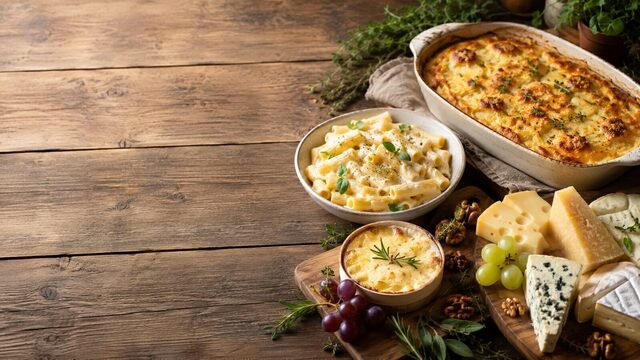
Cheese recipes for pasta, potatoes, bakes, salads and snacks, from creamy sauces to crisp gratinated toppings.
Recipes
Golden toasted oats and sunflower seeds on plain yogurt with fresh apple cubes.
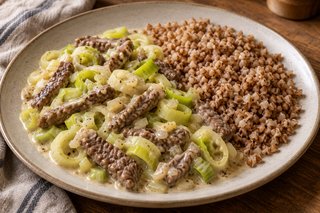
Thin beef strips and tender leek in a mild mustard cream sauce, served with fluffy cooked buckwheat.
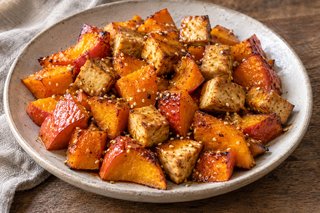
Tender Hokkaido pumpkin and golden tofu cubes with a thin soy and ginger coating and sesame toasted at the end.
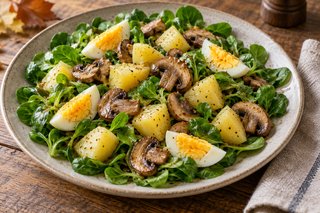
Fresh lamb’s lettuce with warm potato cubes, browned mushrooms and hard-boiled egg in mustard and cider vinegar dressing.
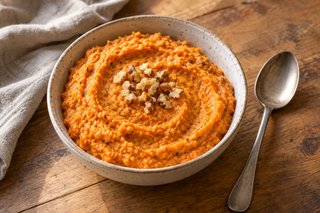
Softly roasted carrots and walnuts are blended with lemon and a little water into a savoury spread.
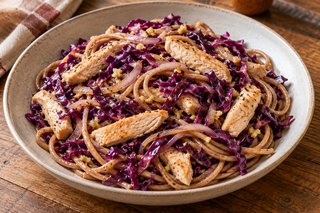
Tender turkey strips, finely sliced red cabbage and wholegrain spaghetti with ginger, garlic and soy sauce.
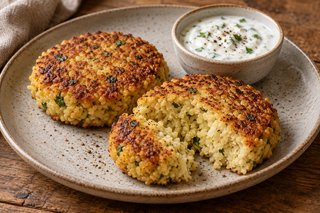
Golden patties made with cooked millet and finely grated parsnips, served with a fresh yogurt and lemon dip.
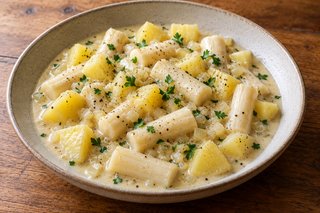
Tender salsify pieces and potato cubes in a mild cream sauce with mustard, lemon and parsley.
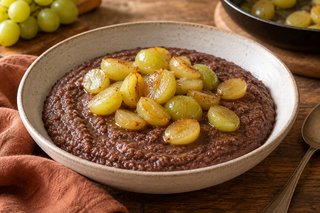
Creamy cornmeal with unsweetened cocoa and milk, served with pale grapes briefly warmed in butter.
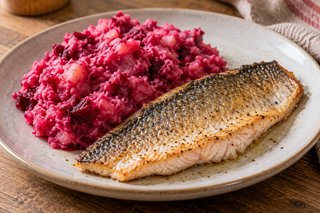
Pan-fried skin-on trout fillet with vivid pink potato mash made with precooked beetroot.
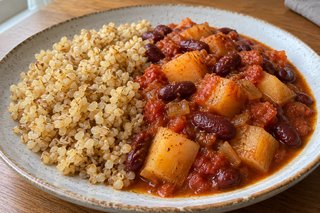
Tender rutabaga cubes and kidney beans in mild tomato sauce with paprika and cumin, served with bulgur.
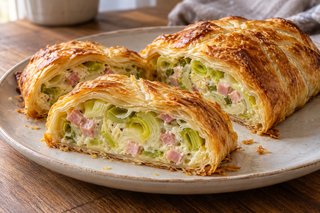
Golden puff pastry encloses tender leek, cooked ham and a mild quark egg filling with mustard.
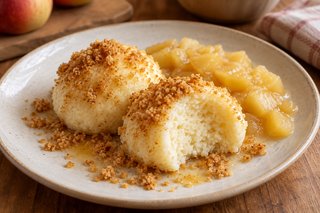
Unfilled quark semolina dumplings gently poach in water and are served with buttered breadcrumbs and warm apple compote.
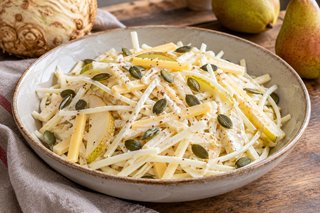
Fine raw celeriac sticks, pear and Gouda in yogurt mustard dressing, scattered with pumpkin seeds.
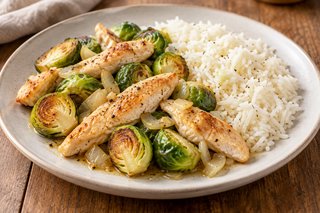
Browned chicken strips and gently steamed Brussels sprouts are served with fluffy lemon rice.
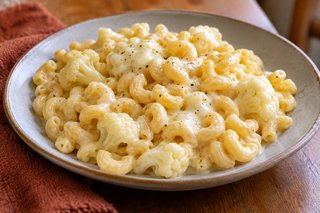
Macaroni and small cauliflower florets combine with a mild milk sauce made with Gouda and mustard.
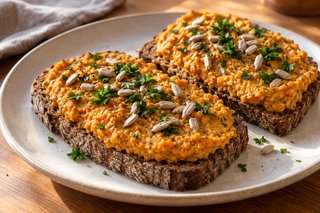
Rye bread with a thick spread of roasted Hokkaido pumpkin and ground sunflower seeds, topped with parsley and a little seed crunch.
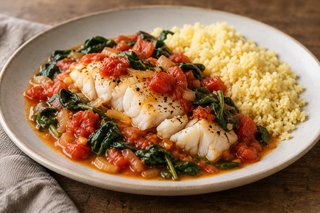
Cod gently cooks on spinach tomato ragout while couscous absorbs water separately.
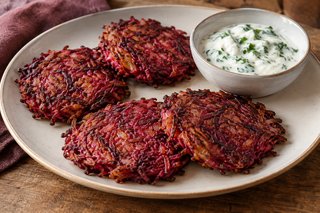
Fine shreds of raw beetroot and potato are fried into flat fritters and served with parsley yogurt.
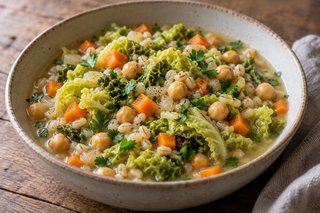
Savoy cabbage, small pearl barley, carrots and chickpeas cook into a thick vegan autumn stew in one pot.
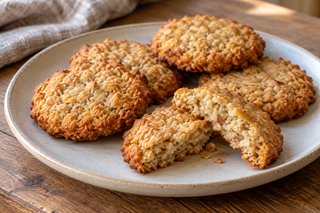
Soft oat cookies with finely grated pear and ground almonds, baked until golden in the oven.
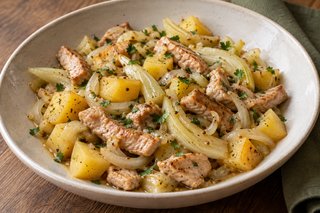
Lean pork strips, potato cubes and fennel cook in one skillet with a small amount of mustard cooking jus.
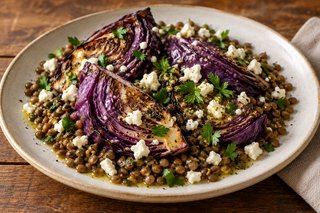
Roasted red cabbage wedges sit on warm brown lentils with lemon mustard dressing, feta and parsley.
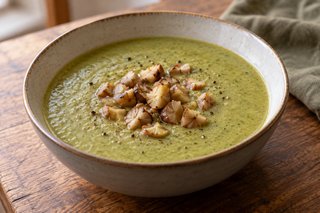
Broccoli and precooked chestnuts make a smooth vegan soup with few ingredients and a small chestnut topping.
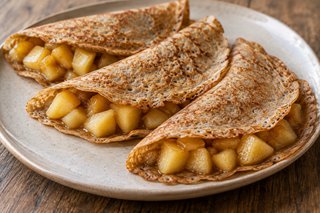
Thin buckwheat crêpes are filled with tender sautéed apple cubes for a warm autumn breakfast.
Guide
Sometimes the recipe search does not start with a particular dish, but with an open pack of noodles, vegetables from the fridge or potatoes in the supply. First choose the ingredient to be used. Then you decide whether to turn it into a pan, soup, bowl, pasta, salad or oven dish.
This overview leads you to recipes with Vegetables, Noodles, Rice, Potatoes, Legumes, Cheeses, Meat, Fish, Seafood and Fruit and fruit Thus you can switch from the existing food directly to suitable recipe ideas.
Before you choose a recipe, it is worth a quick look in the fridge, storage cabinet and freezer. Start with food that should be used first and then complete it with durable basics. This makes the search more clearly and the purchase more targeted.
Noodles, rice and potatoes are among the most flexible basics of everyday cuisine. Noodles are suitable for fast sauces, casseroles, soups and salads. Rice works in curry, bowl, pan dish, soup or as a side dish. Potatoes can be cooked, fried, stamped, baked or processed into casserole and salad.
The desired preparation is decisive: baking tray and oven are suitable for little active work, and for a short cooking time a wide pan. Pre-cooked potatoes and rice from the previous day are particularly practical for frying dishes, while leftover noodles can be used in salad, frittata or casserole.
Vegetables give the seasonal and tasteful direction. Solid varieties such as carrots, pumpkin, cabbage or potatoes tolerate longer cooking times. Zucchini, spinach, tomatoes, peas and fresh herbs are often added later so that colour and structure are preserved.
Beans, lentils and chickpeas complement soups, curries, salads, bowls and oven dishes. They can make a vegetable meal more satisfying and can be easily combined with rice, potatoes, bread or pasta. Pre-cooked legumes save time; dried varieties need soaking depending on the variety and a longer cooking time.
Cheese and eggs quickly transform simple pantry staples into a full meal. Eggs are suitable for omelet, frittata, shakshuka, fried rice or potato pan. Cheese gives pasta, casseroles, salads, soups and oven vegetables spice and a creamy or golden brown surface.
The variety determines the use: feta and goat cheese set salty accents, mozzarella melts mildly, parmesan seasons pasta and risotto, cream cheese binds fast sauces. Cheese should complement a dish, not cover any other ingredient.
For meat and fish, the main ingredient should fit the preparation. Delicate pieces are suitable for short roasting or grilling, firmer pieces for slow simmering. Minced meat can be used in sauce, pan, casserole or stuffed vegetables.
Fish fillets and many seafood usually only need a short cooking time. Potatoes, rice, pasta, vegetables, salad as well as fresh herbs and some acid fit to this. First choose the side dish and prepare sensitive fish only at the end, so that the remaining ingredients are ready in time.
If no recipe exactly fits your stock, a simple kit will help. Combine a base with vegetables, a protein source and a flavoured direction. This results without complicated planning pan dishes, bowls, soups, salads and oven dishes.
Not every missing ingredient requires a new purchase. Many side dishes can be exchanged within their group: rice can be replaced by couscous or bulgur depending on the dish, potatoes by sweet potatoes and one pasta by another with similar cooking time.
Flexibility is also possible with vegetables. Pay more attention to water content, firmness and cooking time than with the exact variety. Spinach takes only a few minutes, while carrots or pumpkins are used in pots and pans. For baking recipes and dishes whose consistency depends on exact quantities, however, you should stay closer to the recipe.
Remains can be used more easily if individual components are stored separately. Thus, rice can become a vegetable pan the next day, from potatoes fried potatoes or frittata and from oven vegetables a soup, bowl or wrap filling.
A small basic supply facilitates spontaneous meals. Pasta, rice, couscous, canned tomatoes, beans, lentils, chickpeas, broth and frozen vegetables can be combined in many ways. Eggs, cheese, yoghurt, lemon juice, pesto or fresh herbs from these dishes give variety.
For days with little time you will find more ideas under Fast Dinner and One-pot dishes There are short procedures, few cooking vessels and a manageable preparation in the center.
In spring, asparagus, herbs and young vegetables are available, in summer, tomatoes, zucchini, cucumbers and berries. Autumn and winter bring pumpkin, mushrooms, cabbage, root vegetables, apples and pears into the kitchen.
Do not plan a completely new purchase for each recipe. Multi-use ingredients reduce broken packs and create connections between meals: vegetables from the baking tray becomes a bowl, herbs season sauce and salad, yoghurt works as breakfast, dip or dressing.
FAQ