40 min
European
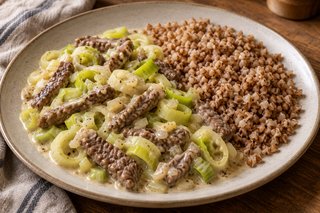
Beef strips with leek and buckwheat
Thin beef strips and tender leek in a mild mustard cream sauce, served with fluffy cooked buckwheat.
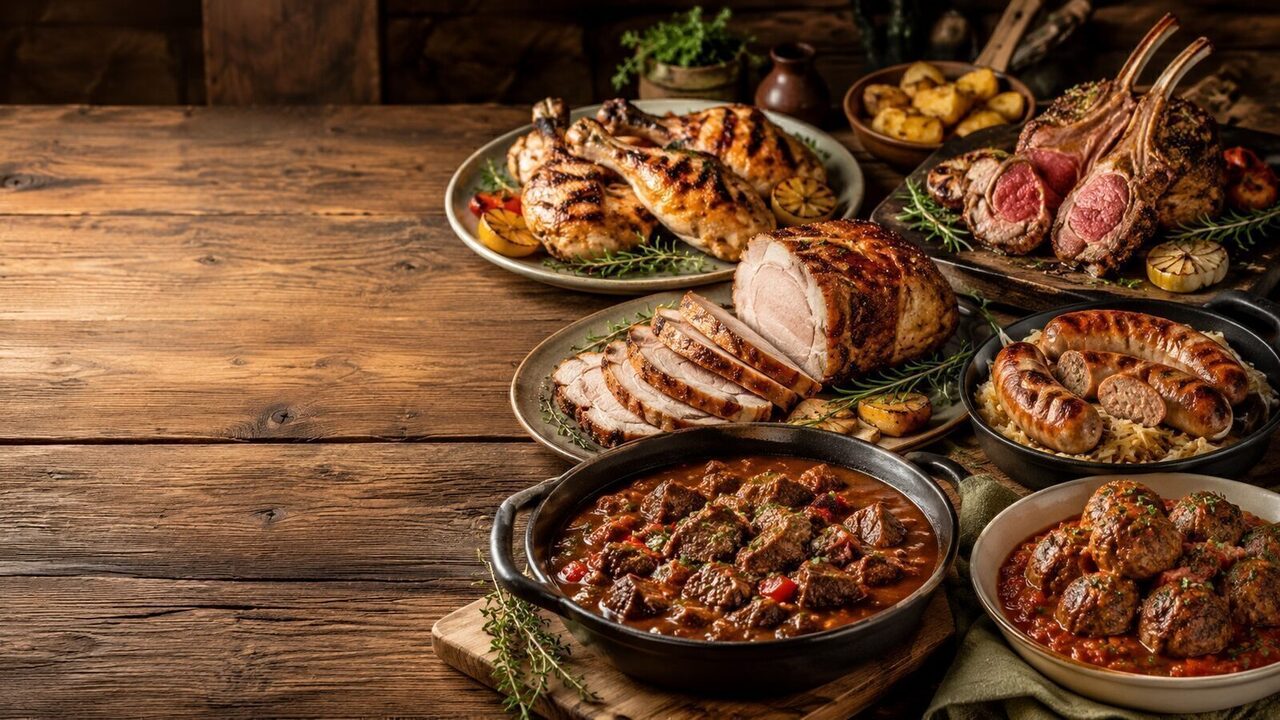
Match each cut of meat to the right cooking method. Find quick chicken and mince dishes, juicy steaks, roasts and slow braises, with useful guidance on browning, temperature and resting.
Recipes
Thin beef strips and tender leek in a mild mustard cream sauce, served with fluffy cooked buckwheat.
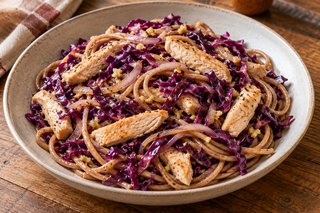
Tender turkey strips, finely sliced red cabbage and wholegrain spaghetti with ginger, garlic and soy sauce.
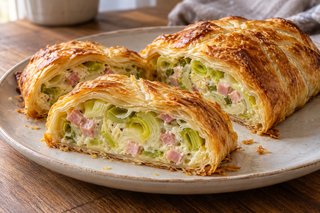
Golden puff pastry encloses tender leek, cooked ham and a mild quark egg filling with mustard.
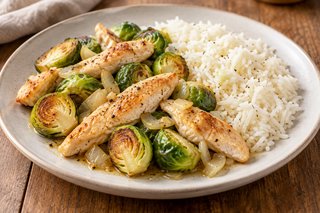
Browned chicken strips and gently steamed Brussels sprouts are served with fluffy lemon rice.
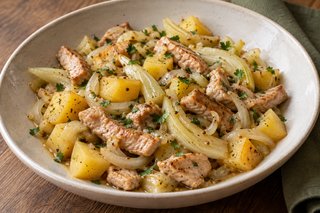
Lean pork strips, potato cubes and fennel cook in one skillet with a small amount of mustard cooking jus.
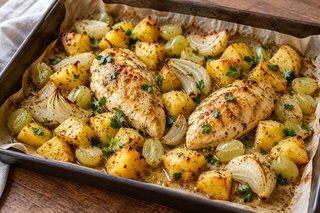
Small chicken fillets, mustard potatoes and juicy grapes cook in stages on a tray for a fruity autumn dinner.
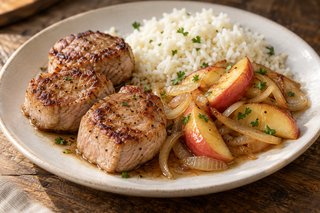
Browned pork medallions, tender apple wedges and onions in a light pan sauce, served with fluffy parboiled rice.
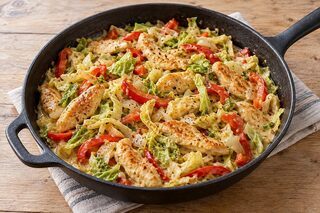
Turkey strips and tender savoy cabbage cook with red pepper in one pan. Sour cream rounds off the sauce at the end.

Hokkaido squash, browned minced beef and tomato cream sauce bake beneath cheese until the pumpkin is tender and the top is golden.
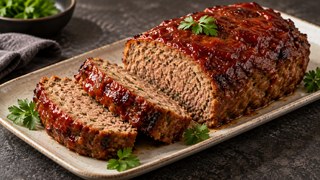
A compact meatloaf cooks juicyly in an air fryer in a small baking pan and finally gets a spicy tomato-mustard glaze.
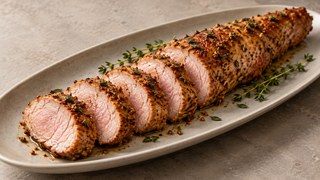
Pork fillet remains juicy in the air fryer when the evenly thick middle piece is cooked hot and removed at appropriate internal temperature.
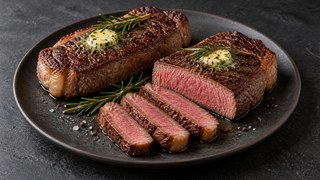
Rump steaks cook evenly in the preheated air fryer when thickness, initial temperature and internal temperature decide instead of a rigid minute specification.

Self-made chicken nuggets become crispy with Panko and remain juicy inside when equally large chicken pieces are thinly oiled.
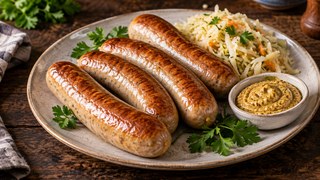
Brat sausages brown evenly in the air fryer and remain juicy when cooked by far and not punctured.
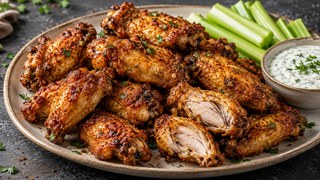
Crispy chicken wings are dry seasoned with a small amount of baking powder and turned several times in the air fryer until skin and meat are completely cooked.
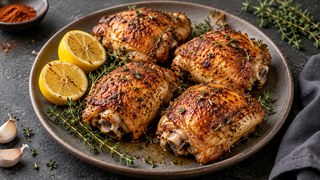
Chicken legs are cooked in the air fryer only on the meat side and finally browned crispy with the skin upwards.
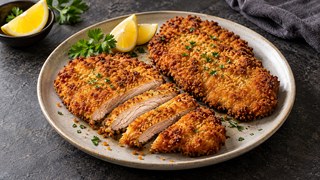
Crispy-panned pork chips are browned in the air fryer with a thin oil film without swimming in fat or sticking to the basket.

Juicy meatballs with browned surface succeed in the air fryer without a pan when the meat mass is easily mixed and cooked at internal temperature.
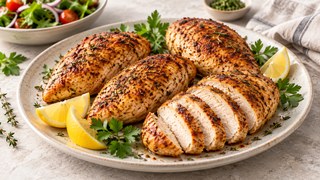
Juicy chicken breast with paprika, thyme and lemon, evenly cooked in the air fryer and tested for internal temperature instead of only according to colour.
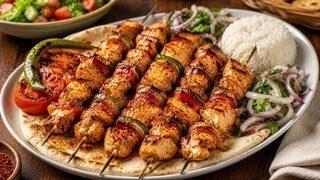
Tavuk Şiş are Turkish chicken skewers from a yoghurt-paprika-mark marinade with garlic, onion, lemon, Pul biber and oregano.
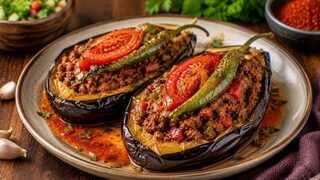
Karnıyarık are Turkish eggplants from the oven, filled with spicy minced meat, onions, tomatoes, green peppers, garlic and parsley.
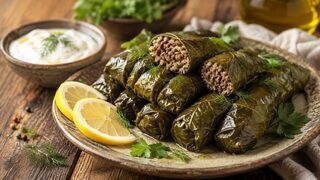
Etli Yaprak Sarma are Turkish vine leaves with a juicy filling of minced meat, rice, onions, herbs, tomato and paprika.
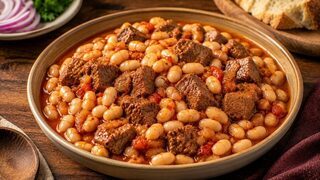
Etli Kuru Fasulye is a Turkish stew of white beans, delicate beef, onions, tomato and paprika purée – classic to rice and pickles.
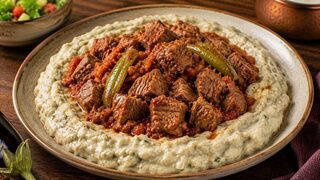
Hünkar Beğendi serves delicate lamb ragout on a smoky eggplant purée with béchamel sauce and cheese – a classic Ottoman main dish.
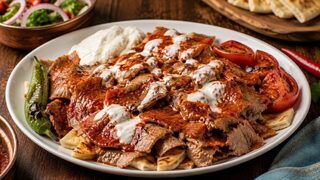
İskender Kebap combines finely roasted beef or lamb with roasted pide, spicy tomato sauce, yoghurt and hot butter.
Guide
A good meat dish begins with the question of which cut is in front of you. Thin schnitzel, steaks and steaks need short, strong heat. Shoulder, haxe and other pieces with more connective tissue become tender by slow braising. Minced meat is suitable for pans, sauces, casseroles, fillings and balls.
Therefore choose the recipe not only according to the type of meat, but also after preparation: fry, stew, grill, cook or cook in the oven. This depends on temperature, liquid, cooking time and the appropriate side dish.
Beef ranges from short-fried steak to slowly stewed goulash. Delicate pieces such as fillet or roast beef are suitable for short-fried roasting and grilling. Shoulder, beef shin or breast need more time and fluid, but develop a strong sauce.
For quick dishes, beef strips, thin steaks or minced meat are available. They are suitable for vegetable pans, pasta, rice, salad and bowls. In the case of stews, a larger portion is worthwhile, because goulash, ragout and roast beef can be prepared in advance and heated again.
Pork can be fried, grilled, stewed and cooked in the oven. Fillet and thin schnitzel only need short cooking time, while neck, shoulder and frying pieces benefit from a slower preparation. A rind needs dry, strong heat at the end to make it crispy.
Potatoes, cabbage, root vegetables, mushrooms, mustard, herbs and fruity components such as apple or plum are suitable for pork. In very spicy or fatty dishes, salad, vinegar, lemon or fresh herbs provide a suitable counter pole.
Chickens and turkeys are versatile and often prepared quickly. Breast fillet can be used in pans, ovens or on the grill, but it dries out slightly during too long cooking hours. Due to their higher fat content, clubs and thighs remain more juicy and are particularly suitable for oven dishes, curries and stews.
Cut differently thick breast pieces as evenly as possible or tap them gently flatten. Thick ends do not cook long before the middle. Poultry should be cooked completely; a meat thermometer provides more safety than the assessment by time or colour alone.
Lamb is suitable for rosemary, thyme, garlic, lemon, yoghurt and strong spices. Loins and thin pieces are suitable for grilling or short roasting, while clubs, shoulders and haxes in the oven or stew need time.
During long cooking periods, broth, wine, tomatoes or vegetables help to create an aromatic sauce. Fresh herbs, yoghurt or a salad make up strong stews and bring freshness to the plate.
Minced meat is a flexible basis for bolognese, chilli, frikadelles, Köfte, lasagne, stuffed vegetables and fast pan dishes. For good roasting aromas you put it in a sufficiently hot pan and let it brown first before a lot of liquid comes in.
In case of meatballs and meatballs, thorough but not endless mixing ensures binding. Onions, herbs, spices, eggs or soaked bread are according to the recipe. Minced meat dishes should be cooked completely.
The cooking time alone is only a guideline. Thickness, initial temperature, bone and actual furnace heat influence the result. Therefore, a meat thermometer is particularly helpful for larger pieces.
Double the surface before roasting and heat the pan sufficiently. Too many pieces at once lower the temperature; the meat releases water and stews instead of tanning. Roast if necessary in several portions.
After cooking, a larger piece should rest for a short time before it is cut. Cut steaks, roasts and stews as far as possible across the visible fiber. In a pan sauce, you can dissolve the browned residue with broth, wine or water and season with herbs, mustard or some creamy.
A marinade can give spice and surface aroma, but does not make every cut automatically tender. Oil distributes spices, acidity brings freshness and ingredients such as mustard, soy sauce, garlic or herbs determine the flavour direction.
Remove very moist marinades from the surface before strong frying, so that the meat gets colour. Sugary marinades can quickly become dark at high heat and are better suited for controlled heat or later glazing.
The side dish should complement preparation and sauce. Potatoes, noodles, rice or bread, take the sauce. Short fried meat can be mixed with Vegetables combine salad, oven potatoes or a light bowl.
Raw meat should be prepared separately from salad, bread and other ready-to-eat foods. Use your own or thoroughly cleaned boards, knives and work surfaces. Do not wash raw meat and especially poultry under running water, because splash water can distribute germs in the kitchen.
Frozen meat is covered in the refrigerator and disposed of the defrosting liquid without touching other food. Recommendations of the Federal Institute for Risk Assessment Food should reach at least 70 °C for two minutes in all places in doubt. Poultry and minced meat are fully cooked.
Goulash, ragout, stew, chilli, bolognese and many minced meat sauces can be prepared in advance. Short-breasted pieces and breaded meat usually taste best fresh from pan or oven. Keep sauce and side dishes as separate as possible, so that they keep their consistency when warming up.
Other cooked meat can continue to be used in sandwiches, wraps, salads, soups, pastas or rice dishes, depending on the recipe. Heat leftovers completely and only in the amount you actually need. Dinner recipes and Fast Dinner.
FAQ