40 min
Asian-inspired
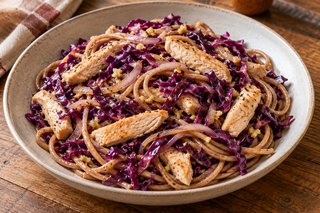
Turkey and red cabbage with wholegrain noodles
Tender turkey strips, finely sliced red cabbage and wholegrain spaghetti with ginger, garlic and soy sauce.
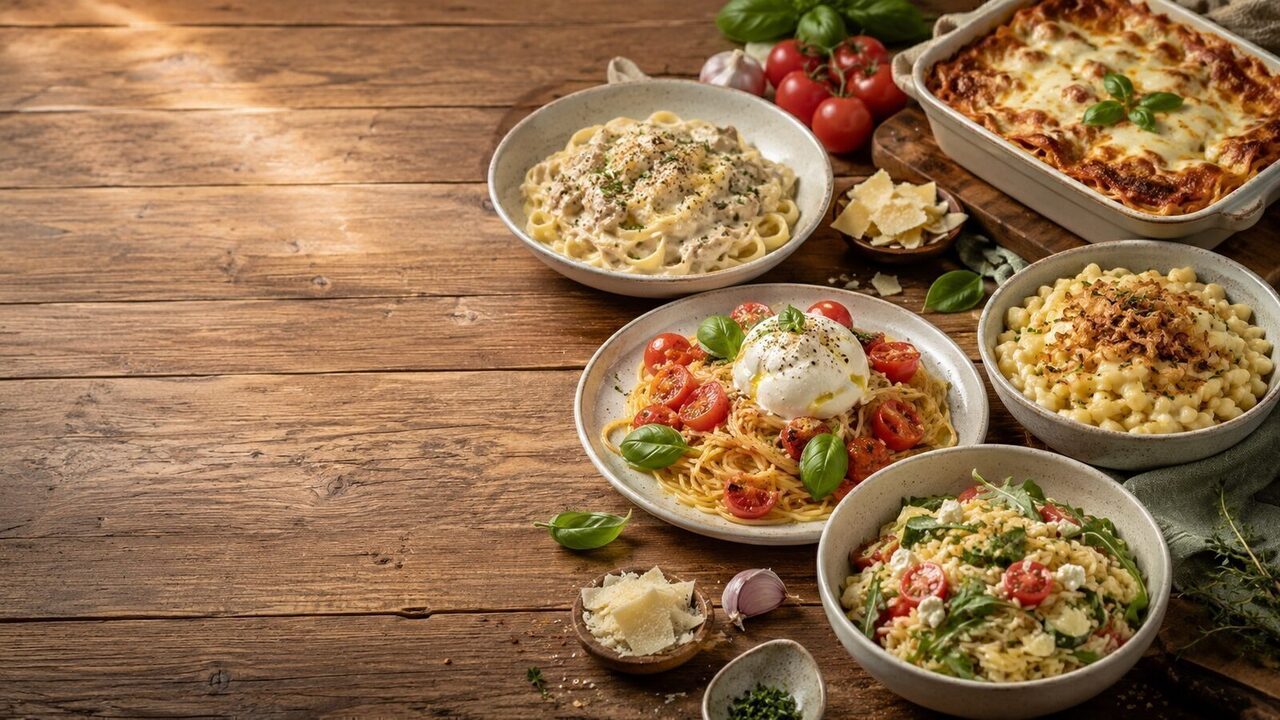
Choose a noodle shape and sauce that work together, then build a meal around the vegetables, meat or cheese you have. The collection ranges from fast weeknight pasta to bakes and fresh noodle salads.
Recipes
Tender turkey strips, finely sliced red cabbage and wholegrain spaghetti with ginger, garlic and soy sauce.
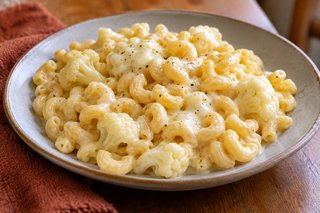
Macaroni and small cauliflower florets combine with a mild milk sauce made with Gouda and mustard.
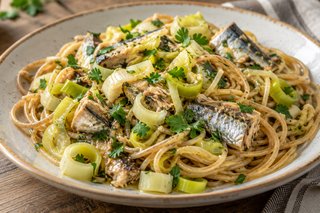
Tender leeks, sardines and lemon combine with whole-wheat spaghetti in a simple skillet fish meal.
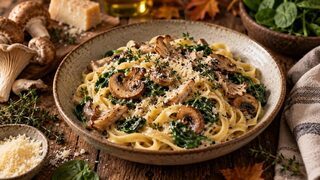
Deeply browned mushrooms combine with spinach, thyme and a light cream sauce in this quick autumn pasta.
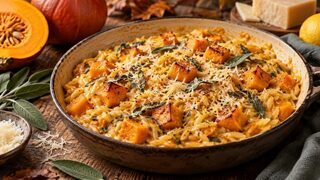
Orzo cooks directly in stock with grated pumpkin, then Parmesan, lemon and sage turn it into a creamy dish without cream.
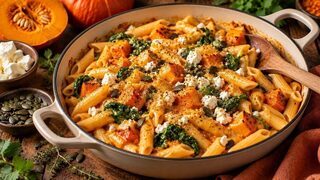
Short pasta cooks with Hokkaido squash, stock and herbs in one pot; feta and spinach make the sauce creamy at the end.
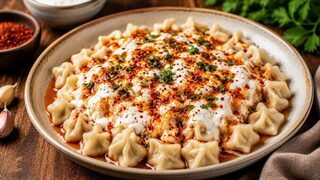
Turkish mantı are small dough bags filled with spicy minced meat, which are served with garlic yoghurt, pepper butter, mint and sumach.
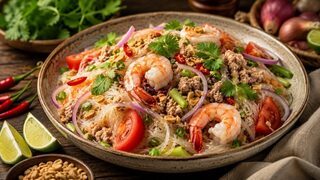
Yum Woon Sen is a Thai glass noodle salad with shrimp, pork chop, tomatoes, celery, herbs and a spicy lime fish sauce dressing.
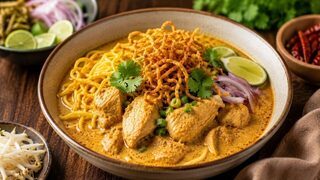
Khao Soi Gai is a curry noodle soup in northern Thailand with tenderly stewed chicken, coconut milk, egg noodles and crispy noodle topping.
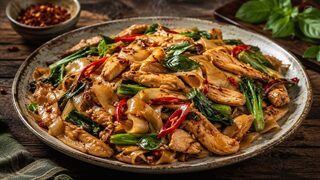
Pad Kee Mao are sharp Thai Drunks Noodles with wide rice noodles, chicken, Gai Lan, chilli, garlic and fragrant holy basil.
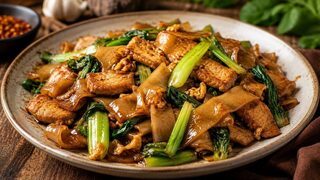
Pad See Ew combines wide rice noodles, delicate pork, egg and crisp Gai Lan with a dark shiny, sweet-salt soy sauce.
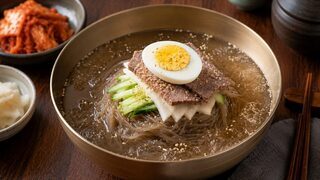
Mul Naengmyeon serves elastic buckwheat noodles in ice-cold beef-dongghimi broth with cucumber, Korean pear, radish and boiled egg.
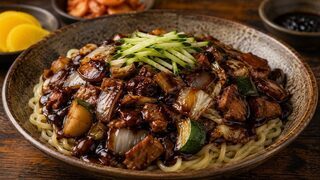
Jjajangmyeon are Korean-Chinese wheat noodles with shiny black chunjang sauce, pork, lots of onion, cabbage, zucchini and potato.
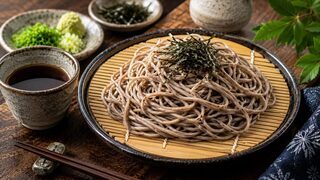
Zaru Soba are cold buckwheat noodles that are thoroughly rinsed and served with concentrated Tsuyu dip sauce, spring onions, Wasabi and Nori.
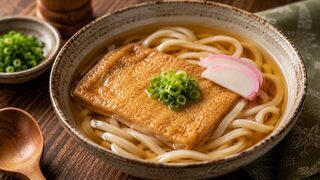
Kitsune Udon combines thick, elastic udon noodles with clear Dashi broths and sweet-spicy stewed Aburaage tofu bags.
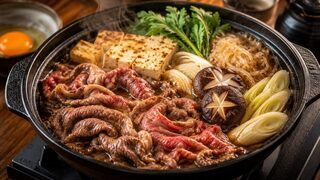
Sukiyaki is a Japanese hot pot dish with thin beef, tofu, shirataki, mushrooms, Chinese cabbage and leek in sweet-spicy warishita sauce.
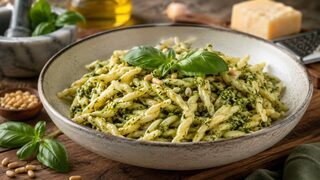
Trofie al Pesto Genovese combine turned pasta with fresh basil pesto, potatoes and green beans to form a Ligurian classic.
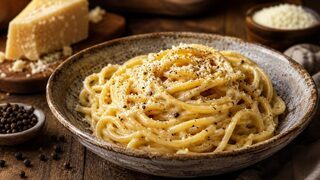
Cacio e Pepe makes pasta, Pecorino Romano, black pepper and starchy cooking water a shiny creamy sauce without cream.
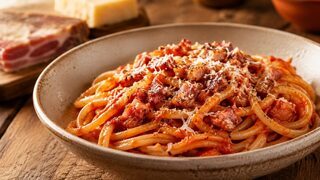
Bucatini all the Amatriciana combine crisp rendered guanciale with tomatoes, Pecorino Romano and some chilli to form a strong pasta classic from Lazio.
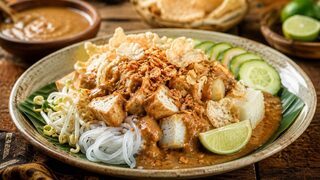
Ketoprak combines rice noodles, fried tofu, mung bean sprouts, cucumber and rice cake with a freshly stirred peanut sauce and kecap manis.
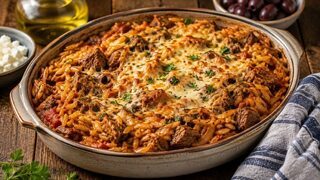
Giouvetsi stews beef in an aromatic tomato sauce and then cooks Kritharaki directly in the casserole until the pasta absorbs the meat juice.
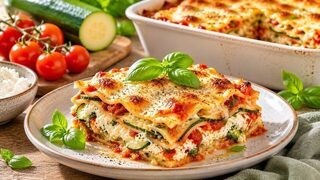
This vegetarian lasagne combines fried zucchini, spicy tomato sauce and creamy ricotta. Previous roasting prevents watery filling.
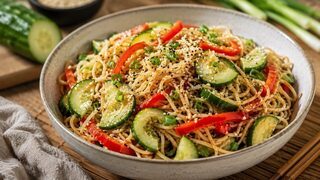
Cool soba noodles, cucumber and carrot meet a creamy sesame dressing with soy sauce and rice vinegar. The salad tastes fresh, nutty and slightly spicy.
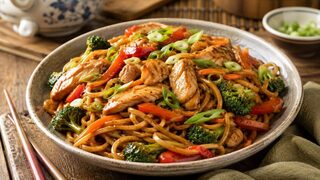
Lo Mein with chicken are softly swirled egg noodles with chicken, broccoli, carrots and a sauce of soy sauce, oyster sauce and sesame oil.
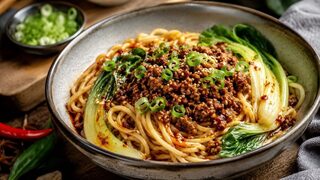
Dan Dan Noodles are Sichuan noodles with sesame paste, chilli oil, Sichuan pepper, spicy fried pork chop and some pasta water.
Guide
Noodles can be a quick dinner, a pre-preparable casserole, a cold salad or the basis for an Asian pan. Decide first how the dish should be served: fresh and hot, overbaked, fried, as soup or cold. After that, the choice of pasta, sauce and cooking time is much easier.
For a quick meal often enough pasta, a simple sauce and a fresh finish of herbs, cheese or roasted seeds. If more time remains, Lasagne, Nudelauflauf, slow cooked sauce or homemade components are suitable.
The shape influences how well a sauce adheres to the noodles. Long, thin pasta such as spaghetti or linguine fits with smooth, oily and creamy sauces. Short varieties such as Penne, Rigatoni or Fusilli take up piecey vegetable, tomato and minced meat sauces particularly well.
The assignment is an orientation, not a rigid rule. The decisive factor is that noodles and sauce stay together while eating and neither the pasta nor the other ingredients perish.
Use a sufficiently large pot and bring the water completely to the boil before the noodles enter. Salt the cooking water and stir especially in the first few minutes so that the noodles do not stick to the bottom of the pot or to each other.
The packing time is a good starting point, but does not replace the tasting. If the noodles then continue to cook in sauce, pan or casserole, take them out of the water a little earlier. So they remain bite-resistant at the end, instead of becoming soft.
Starch cooking water combines fat, cheese and liquid. Therefore, remove a cup before draining. First, give little of it to the sauce and complement as needed until it evenly wraps the pasta.
Especially with pesto, carbonara, cheese and butter sauces the temperature is important. Very high heat can make cheese lumpy or eggs dry. Pull the pan off the stove, mix the pasta with sauce and cooking water and adjust the consistency only at the end.
Pasta is particularly suitable for days with little time, because sauce and noodles can be created in parallel. While the water is heated, you prepare vegetables, herbs or other ingredients. Fast options are tomato paste, pesto, Aglio e Olio, lemon paste, mushroom paste or pasta with spinach and cream cheese.
For more substance you complement Vegetables beans, lentils, egg, tofu, Cheeses, fish or meat. Fast Dinner you will find more dishes with short preparation and manageable work steps.
Vegetarian pasta is varied when the sauce is used as well as texture and a filling component. Roasted vegetables, mushrooms, lentils, chickpeas, nuts, cheese, tofu or egg match tomato, cream, pesto and vegetable sauces.
Rostaromas give vegetables and mushrooms more depth. Roast them with sufficient heat and not too densely pressed before sauce or liquid comes in. Fresh herbs, lemon juice, rucola or a crisp topping are only used shortly before serving. More ideas can be found under Vegetarian dinner.
Minced meat sauce, ragout, chicken strips and bacon fit into more robust pasta forms and strong sauces. First, roast meat in portions to produce roast aromas and then combine it with tomato, broth, vegetables or a creamy sauce.
Fish and Seafood usually need a shorter cooking time. Shrimps, mussels or fish pieces therefore often only come to the sauce when the noodles are almost ready. Lemon, herbs, garlic and tomatoes complement them without covering their taste.
For Nudelauflauf you cook the pasta shorter than for a directly served dish, because it cooks in the oven. The sauce may be a little more liquid, but should not become watery. Vegetables with a high water content such as zucchini, mushrooms or spinach are first roasted or well squeezed dry.
If the surface becomes dark too early, you cover the shape loosely and let the layers cook completely. After baking, a short rest time helps to ensure that lasagne and casserole can be more cleanly portioned.
For noodle salad, short forms are suitable, which take in dressing and small ingredients. Cook the noodles tender but firm and mix them slightly warm with a part of the dressing if the recipe is provided for it. When cooling, they absorb liquid and spice.
Keep lettuce, fresh herbs, cheese and crispy toppings separated until shortly before serving. Before dressing, check salt, acidity and creaminess again, because cold foods often require a more pronounced seasoning than warm ones.
Rice noodles, glass noodles, ramen, udon, soba and egg noodles differ significantly in cooking time and texture. Note therefore the package specification and the further preparation. Noodles for wok dishes should not be too soft, because they are later still swivelled with sauce and vegetables in the hot pan.
Prepare sauce, vegetables and other ingredients completely before you heat the wok. In high heat there is little time to recut. First fry solid ingredients, add sensitive vegetables later and mix noodles and sauce until the end.
For one-pot pasta, cook pasta, sauce and other ingredients in a pot or deep pan. The amount of liquid, pot size and heat determine whether the sauce becomes ally or watery. Start with the amount of recipe and keep hot broth or water ready to pour.
Vegetables with a long cooking time come early into the pot, spinach, peas, herbs and cheese usually later. Stir regularly, but not constantly, and leave the dish at the end short. So the sauce can sit down. One-pot arrangements.
Sauces, lasagna and nude runs can be prepared in advance. Freshly cooked pasta for a warm dish is best kept together with some sauce so that it does not dry out. Very sensitive herbs and crispy toppings remain separate.
Other noodles can walk in noodle salad, casserole, soup, frittata or a fast pan. Warming helps a small amount of water or broth depending on the sauce. You can find further ideas for cooking with pantry staples under Recipes by ingredients.
FAQ