37 min
Thai
Yum Woon Sen
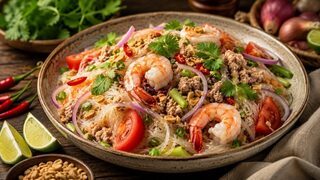
Yum Woon Sen is a Thai glass noodle salad with shrimp, pork chop, tomatoes, celery, herbs and a spicy lime fish sauce dressing.
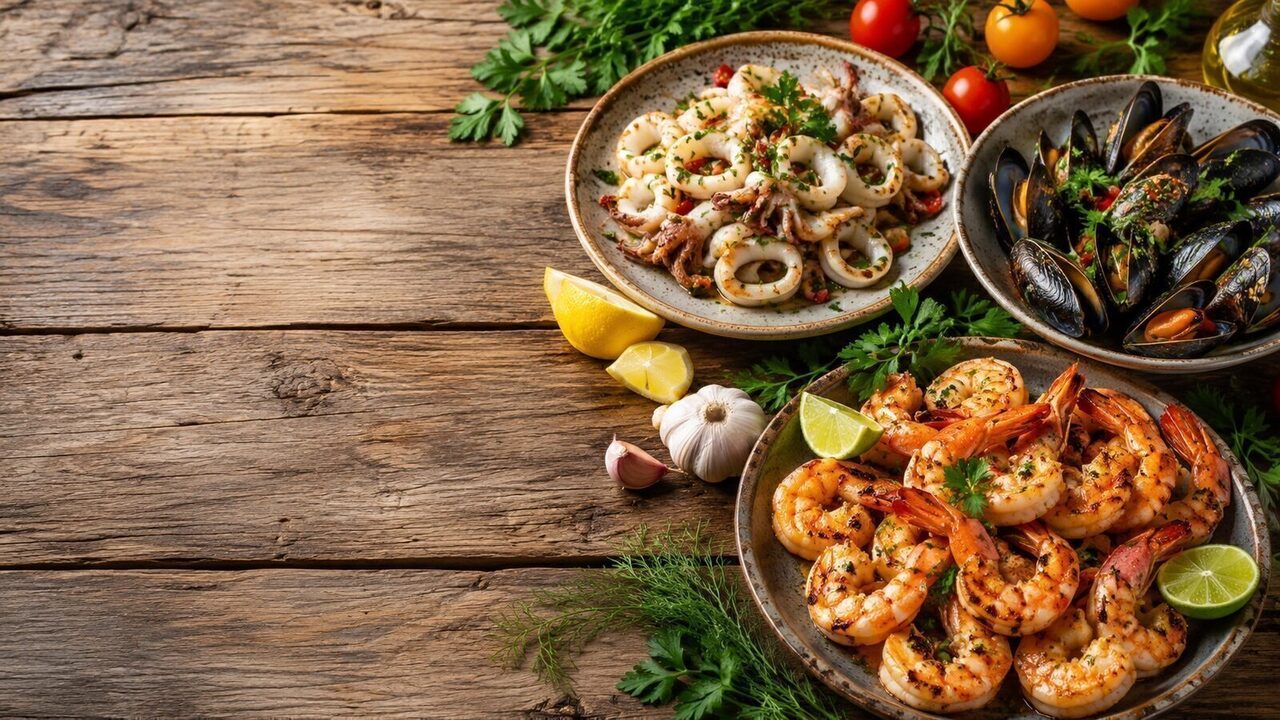
Fresh seafood needs careful preparation and only as much cooking as necessary. Find clear methods for tender squid, juicy prawns, steamed mussels and seafood dishes made for sharing.
Recipes
Yum Woon Sen is a Thai glass noodle salad with shrimp, pork chop, tomatoes, celery, herbs and a spicy lime fish sauce dressing.
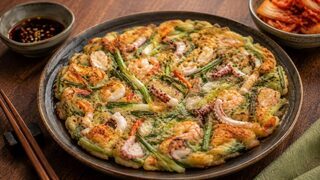
Haemul Pajeon is a hearty Korean pancake with long spring onions, shrimp and squid, crispy outside and juicy inside.
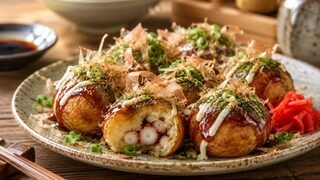
Takoyaki are outside browned, inside creamy-soft dough balls from Osaka with cooked octopus, spring onions, Beni Shoga and crispy Tenkasu.
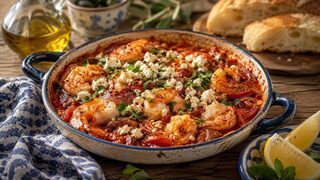
Garides Saganaki cooks shrimp briefly in a spicy tomato sauce with white wine, garlic, oregano, some chilli and crumbled feta.
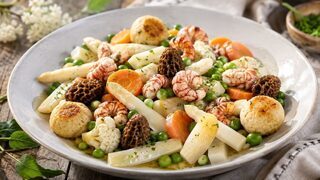
Classic Leipziger Allerlei combines spring vegetables, morchels, crayfish tails and small bread dumplings with melted butter.
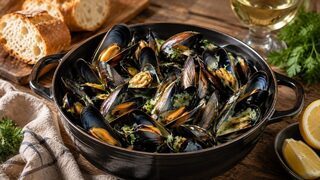
Moules marinières are mussels that are steamed in a few minutes with shallots, garlic, dry white wine, butter and parsley.
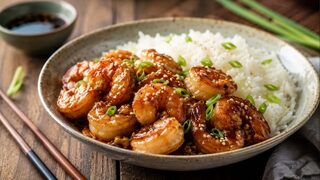
Sesame yarns are quickly fried and are swirled in a shiny sauce of soy sauce, honey, garlic, ginger and sesame oil.
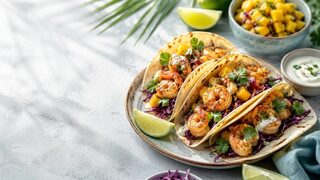
Shrimps are briefly seasoned with lime and paprika, hot fried and served in warm tortillas with red cabbage, mango salsa, lime yoghurt and coriander. Cook shrimps only to the very opaque middle and fill the moist components at the table to keep the tortillas stable.
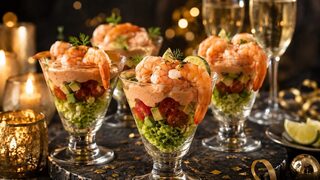
Cooked shrimp, avocado, salad and tomatoes are layered in glasses and served with a lime cocktail sauce. All ingredients must be well chilled and dry; cut avocado just before the layer and drizzle with lime.
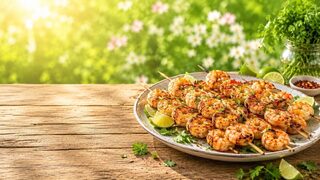
Shrimps are marinated briefly with lime, garlic, chilli and olive oil, put on skewers and grilled very hot. A few minutes of heat is enough: as soon as the shrimps are pink and just opaque, they must be grilled.
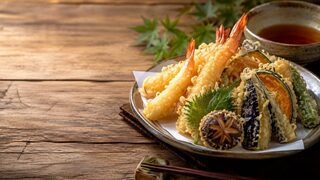
Tempura is vegetables or shrimps in a very cold, light dough, which is baked briefly in hot oil. The dough is stirred only roughly so that it remains airy.
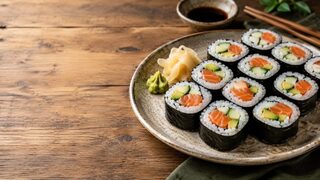
Sushi rolls succeed with properly seasoned sushi rice, Nori leaves and cleanly prepared fillings. The rice is seasoned with rice vinegar, sugar and salt, not with soy sauce.
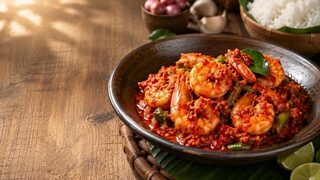
Sambal Udang combines shrimps with a sharp sambal sauce made of shallots, garlic, chilli, tomato, kecap manis and lime. Shrimps cook only briefly.
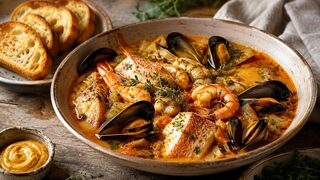
Bouillabaisse is a Provencal fish soup with fennel, tomatoes, saffron, fish, seafood and rouille. Fish and shrimps cook briefly only at the end.
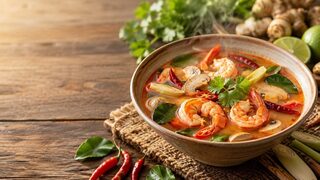
Tom Yum soup is spicy and clear: shrimps, mushrooms, lemon grass, galangal, makrut lime leaves, chilli, lime and fish sauce give her the typical Thai taste.
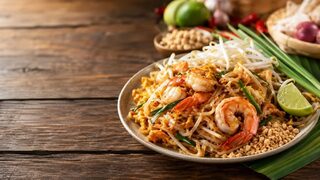
Pad Thai is a Thai rice noodle dish with tamarind, fish sauce, egg, tofu or shrimp, soy sprouts, lime and peanuts. The balance of sour, salty, sweet and nutty is decisive.
Guide
Seafood brings a lot of taste to the plate with little effort. Shrimps are fried in a few minutes, shellfish cook directly in an aromatic sauce and squid fits with grill, pan or slowly stewed dishes. The decisive factor is reliable cooling, careful preparation and a cooking time that suits the respective species.
On this page you will find seafood recipes for fast pans, pasta, rice dishes, soups, salads and appetizers. Use the collection directly or combine them with ideas from the categories Fish, Noodles and Rice.
The term covers different animal groups with their own texture. The crustaceans include shrimps, crabs, lobsters and lobsters. Mussels are, for example, mussels, clams, oysters and scallops. Cuttlefish are offered as Calamari, Sepia or octopus. In everyday kitchens, these groups are often used together, but do not need the same preparation or cooking time.
Fresh seafood should smell mildly of the sea and should not be stinging or unpleasant. Shrimps have a firm, moist surface; soft or greasy meat is not a good sign. Living mussels must show recognisable signs of life. Their shells are closed or close after a slight tap.
Deep-frozen shrimps, mussels and squids are a practical alternative. A thin ice glaze protects against freezing fire and the product can often be removed in portions. Pay attention to an undamaged packaging, a continuous cold chain and whether the product is raw, pre-cooked, peeled or already seasoned. This information significantly changes the preparation time.
The Federal Centre for Nutrition recommends to select fresh seafood only at the end of the purchase, transport it coolly and prepare it on the day of purchase if possible.
Raw frozen product is safe to use in the refrigerator. Place it in a sieve over a bowl so that the defrosting liquid can run off. Dispose of this liquid and clean hands, work surfaces, bowl and utensils thoroughly. Pre-cooked or intended for direct preparation products are treated according to the package specification.
Raw seafood should be processed separately from salad, bread and other foods that are no longer heated. Notes of the Federal Institute for Risk Assessment recommend thawing animal food in the refrigerator as well as careful cleaning of all surfaces after contact with dew water.
Raw shrimps are usually grey and become pink to orange as well as opaque when cooking. Already cooked shrimps are already pink and need only be heated for a short time. Therefore check the packaging before starting. Remove shell and gut for unpeeled shrimps depending on the recipe and pat the surface well dry.
Heat a large pan, add little oil and distribute the shrimps in one position. Fry rather in proportion, because a too full pan cools down and the shrimps stew in their own juice. Turn them only once and take them out of the pan as soon as they are fully cooked. Garlic, butter, herbs and lemon juice only come to the end so that they taste fresh and do not burn.
Fresh live bivalve molluscs are kept cool and processed as far as possible on the day of purchase. Rinse them under cold water, remove sticky dirt and, if necessary, the beard in the case of mussels. Damaged bivalve molluscs and specimens that remain open and do not close after tapping are sorted out before cooking.
For a classic mussel dish, first sauté onions, garlic and vegetables, then add liquid such as broth, wine or tomatoes. The mussels come in the hot brew and cook with a closed lid according to the recipe. Shake the pot gently in between, instead of stirring vigorously. Shells, in which freshness or cooking condition are doubtful, should not be eaten.
Scallops need a very dry surface and a hot pan. Drain them thoroughly, season just before roasting and leave space between the pieces. Move them only when a golden crust has formed. Then turn briefly and cook completely without leaving them unnecessarily long in the pan.
Butter, thyme, lemon peel or a light pea and vegetable cream accompany the fine taste. Because the cooking time is short, sauce and side dish should be ready before the mussels come into the pan.
Cuttlefish becomes tender if it is cooked either very briefly at high heat or significantly longer and softly. In the middle area the meat can appear rubber-like. Rings and small tubes are suitable for short roasting, cricketing or frying. Larger pieces as well as octopus benefit from slow cooking in aromatic liquid.
Dry Calamari for pan and grill especially thoroughly and cook small portions. In an overcrowded pan water comes out and prevents roasting. For salad you let the squid in the cooking liquid cool down longer, so that it remains juicy.
With pasta, sauce and pasta are almost finished first. Shrimps, shellfish meat or Calamari are only added so late that they just become completely cooked. Some starchy pasta water combines olive oil, tomatoes, butter or cream to form a sauce that adheres to the pasta.
Garlic, chilli, parsley, lemon and white wine form a Mediterranean base. Tomato sauce tolerates stronger seafood, while a light lemon or butter sauce fits well with shrimp and scallops. Add fresh herbs and lemon juice just before serving.
For rice dishes, the texture is determined by the order. Rice, vegetables and spices usually take longer than seafood. Therefore, cook the base first and add shrimps, mussels or squid to the required time. Pre-cooked products are only heated at the end.
Saffron, peppers, tomatoes, garlic and broth match paella; coconut milk, ginger, chilli and lime with curry. For risotto, fried seafood are placed separately just before serving, so that they do not overcook throughout the stirring process.
A good fish or vegetable broth forms the basis for bouillabaisse, mussel soup and Mediterranean stews. Vegetables, potatoes and spices are cooked first. Seafood is added in chronological order: solid or longer pieces first, sensitive shrimp and shellfish meat last.
Let the liquid simmer only gently after insertion. Strong sparkling makes sensitive pieces firm and clouds clear broths. Further uncomplicated combinations can be found in the One-pot arrangements.
Large shrimps, Calamari tubes and pre-cooked octopus are well suited for the barbecue. Oils Grilled goods and grill grate lightly and use for small pieces of skewers, a barbecue plate or a basket. Marinades with honey or sugar brown quickly and come to the seafood only towards the end.
As an appetizer, small portions of bread, salad, herbal oil or a fresh dip. Tapas, shrimp skewers and short-fried scallops can be prepared in advance, but should only be cooked immediately before serving.
Garlic, chilli, parsley, dill, lemon and olive oil underline the taste. Ginger, lime, coriander, soy sauce and sesame give an Asian-inspired direction. Tomatoes, fennel and saffron match Mediterranean soups and rice dishes.
Further seasonal combinations can be found at Vegetables. For a straightforward Dinner A seafood pan with rice, pasta or bread and a fresh salad is often enough.
Shrimps become opaque and take on a pink to orange colour. Scallops get a browned surface and are completely heated. Shells are tested according to the prescribed recipe time. Skull requires a very short or consciously long cooking depending on the cut and method.
Colour and shape are only orientation, not a general safety measurement. Keep to the recipe and package specification and cook raw seafood completely. For raw or only partially cooked dishes, expressly suitable goods as well as particularly careful cooling and hygiene are required; lemon or lime juice does not replace safe heating.
Cool cooked remains quickly, place them covered in the refrigerator and consume them as much as possible the next day. Heat only the required portion completely. In sauce or broth, seafood remain more juicy when warming; strong, long heat, however, makes them fast.
Fresh or thawed raw product should be processed according to the package and without unnecessary delay. If the dish has been uncooled for a long time, smells conspicuously or if there are doubts about freshness and storage, it is not reused.
With good preparation, appropriate order and controlled cooking time, seafood succeeds delicately and aromaticly – from the fast shrimp pan to the mussel pot for guests.
FAQ