45 min
European
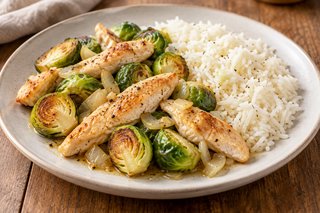
Chicken and Brussels sprout skillet with lemon rice
Browned chicken strips and gently steamed Brussels sprouts are served with fluffy lemon rice.
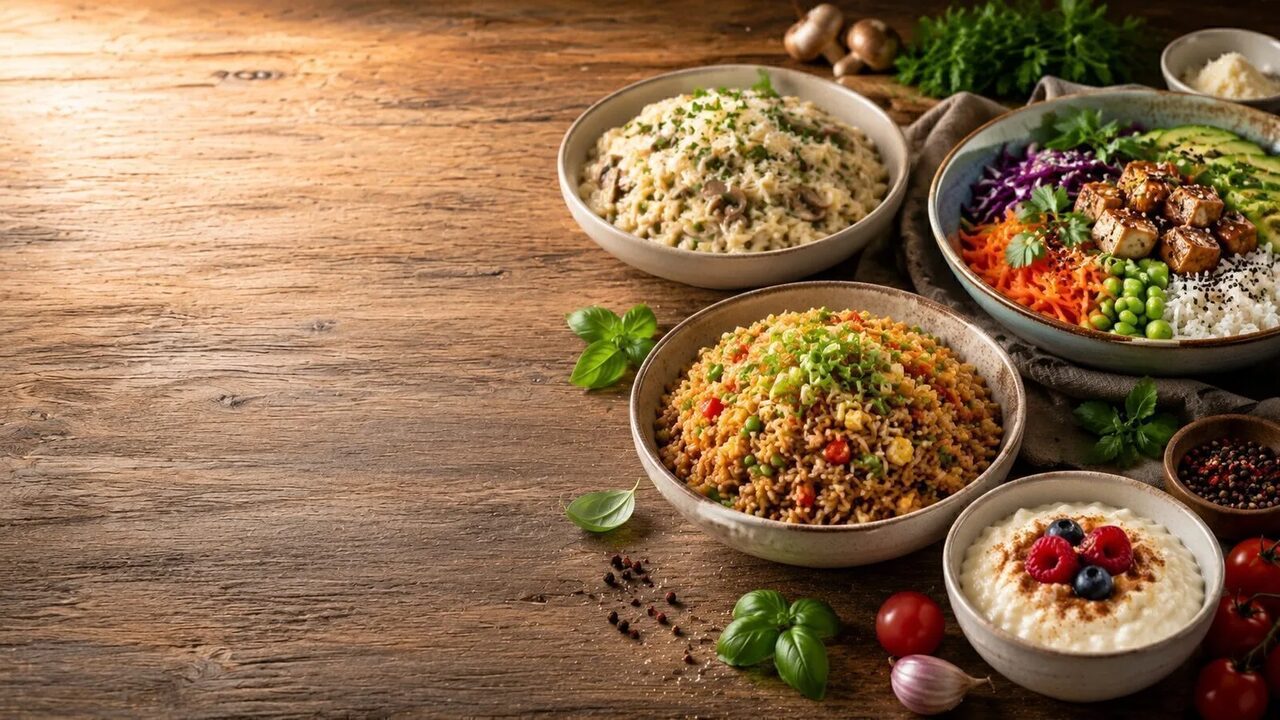
Different rice varieties create very different results. Find the right method for fluffy basmati, fragrant jasmine rice, creamy risotto, sticky sushi rice and grains that are ready for a hot wok.
Recipes
Browned chicken strips and gently steamed Brussels sprouts are served with fluffy lemon rice.
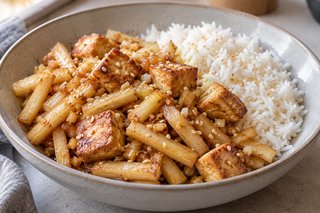
Golden plain tofu and thin celeriac batons in mild ginger-soy sauce, served with rice and sesame.
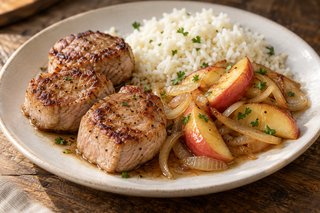
Browned pork medallions, tender apple wedges and onions in a light pan sauce, served with fluffy parboiled rice.
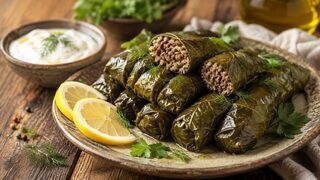
Etli Yaprak Sarma are Turkish vine leaves with a juicy filling of minced meat, rice, onions, herbs, tomato and paprika.
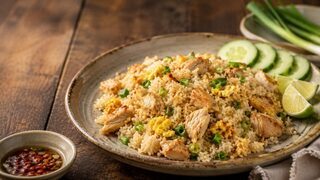
Khao Pad Gai is Thai fried rice with juicy chicken, egg, spring onions and a balanced seasoning of fish and soy sauce.
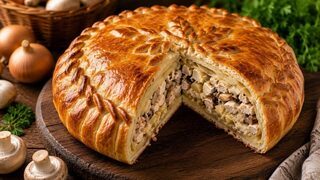
Kurnik is a high Russian feast, in which thin blini separate juicy chicken, mushrooms as well as rice with egg and dill under a butter dough cover.
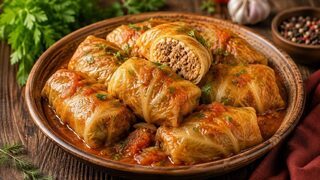
Golubtsy are Russian cabbage roulades with a juicy filling of beef and pork, rice, onions and herbs in mild tomato sauce.
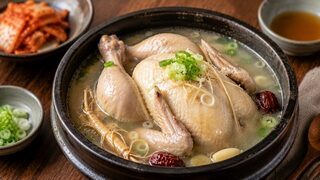
Samgyetang is a clear Korean soup of young whole chickens filled with klebreis, fresh ginseng, garlic, jujuben and marons.
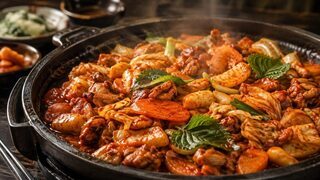
Chuncheon Dakgalbi roasts marinated chicken leg meat with cabbage, sweet potato, rice cake and perilla leaves in a spicy Gochujang sauce.
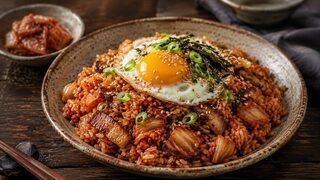
Kimchi Bokkeumbap combines cold rice with well-ripened kimchi, pork belly and kimchi juice to strong Korean fried rice with fried egg.

Omurice wraps spicy Ketchu price with chicken, onions, mushrooms and peas in a thin, delicate omelet and belongs to the Japanese Yoshoku kitchen.
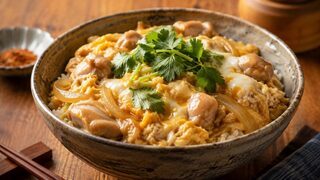
Oyakodon combines juicy chicken legs, soft onions and only loosely set egg in a spicy Dashi sauce on hot Japanese rice.
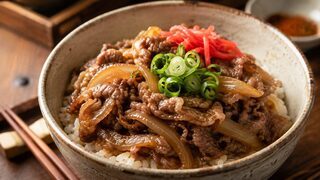
Gyudon is a Japanese rice dish with thin beef and onions, which cook briefly in a sweet-spicy sauce of Dashi, soy sauce and Mirin.

Sicilian Arancini wrap a dry ragù of minced meat and peas with saffron rice, cheese, thin flour cover and crispy breadcrumbs.
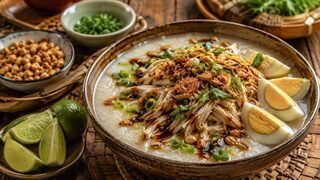
Bubur Ayam is a hearty Indonesian rice porridge with aromatic chicken broth, plucked chicken, spring onions, kecap manis and crispy toppings.
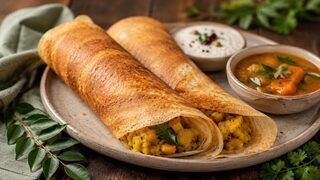
Masala Dosa are crispy South Indian rice-lens crêpes with a spicy potato filling of mustard seed, curry leaves, ginger and turmeric.
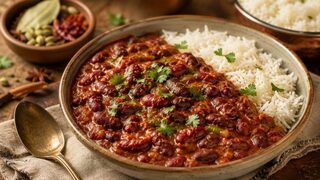
Rajma Masala is a North Indian bean curry made from red kidney beans, tomatoes, onions, ginger, garlic and warm spices.
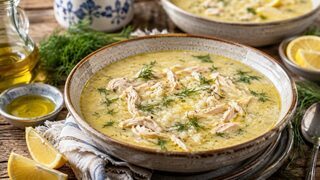
Avgolemono is a Greek chicken soup with rice, tender chicken meat and a velvety bond of egg and fresh lemon juice.
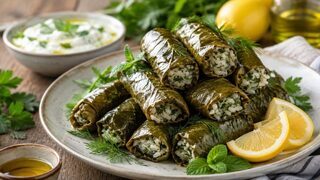
Dolmadakia yalantzi are delicate vine leaves with a meatless filling of round grain rice, onions, dill, mint, parsley, lemon and olive oil.
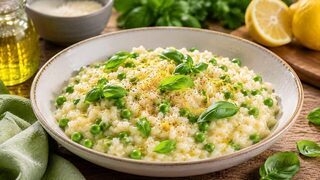
Creamy risotto gets a light summer note through lemon, peas and basil. Parmesan and cold butter bind the rice grains only after cooking.
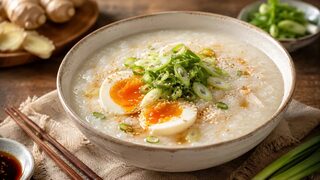
Congee with ginger is a Chinese rice porridge, where rice is cooked with plenty of water or broth for a long time until it crumbles creamy.
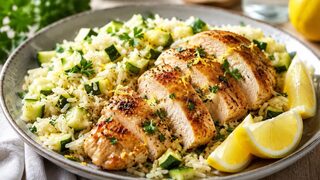
Fry chicken breast and then cook with rice, zucchini, broth, lemon juice and abrass in a pan. Cover the rice with low heat and return the chicken to the ready-cooking stage so that it remains juicy.
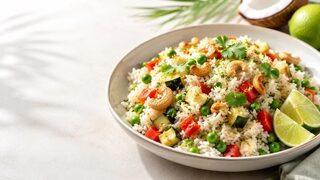
Jasmine rice is cooked with coconut milk and vegetable broth, after which fried zucchini, peppers, peas, lime and roasted cashews are added. Cook coconut rice at low heat and loosen after swell; add lime juice only at the end.
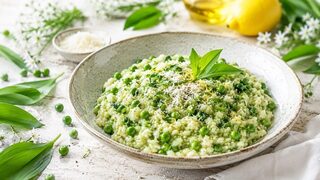
Onion and risotto rice are gradually sautéed in glass and cooked with hot vegetable broth; peas, finely sliced bear's garlic, butter and parmesan complete the rice. Stir in the bear's garlic only after cooking and let the risotto rest short away from the heat so that colour, scent and creamy bite are preserved.
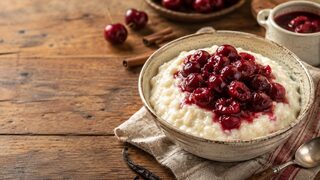
Boil milk with salt and sugar. Stir in the rice and let it swell in a small heat.
Guide
Rice can be a side dish, main dish, soup insert, salad or dessert. Which variety fits depends on the desired texture: loose and grainy, soft and sticky, creamy or well-brittle. Basmati, jasmine rice, risotto rice, sushi rice and rice pudding behave differently during cooking.
For Curry and Bowl, you usually need loose grains, starch released for risotto, a sticky structure for sushi, and a rather dry grain completely cooled for fried rice.
When a recipe calls a particular variety, you should use it as much as possible. The starch content and the absorption of liquid influence cooking time and consistency more than the similar form suggests.
Whether rice is washed depends on variety and dish. Basmati, jasmine rice and many long grains are washed in cold water before cooking until the water remains clearly clearer. This removes loose surface thickness and the rice cooks more loosely.
Risotto rice is usually not washed because its starch is used for creamy binding. Also in the case of rice pudding, the preparation depends on the recipe. Therefore, always check the packaging and the intended preparation, instead of treating all rice varieties equally.
For the source method, rice and measured liquid come into the pot together. The exact quantity depends on variety, pot and manufacturer specification. After boiling, the rice cooks at low heat until the liquid is absorbed.
Meanwhile, lift the lid as rarely as possible and do not stir loose rice constantly. After cooking, a short rest period helps with closed lid. Then gently loosen the grains with a fork.
Basmati remains rather dry and grainy, jasmine rice becomes a little softer and adheres more strongly. Both match curry, wokge vegetables, meat, fish and tofu. Spices such as cardamom, cumin, turmeric or a bay leaf leaf can be cooked directly if the recipe provides an aromatic side dish.
For bowls, you let the rice cool down after cooking and add vegetables, legumes, egg, tofu, fish or meat. Dressing, herbs and crispy toppings are only added when serving, so that texture and freshness are preserved.
For risotto, onions or other aromatics are first sautéed, after which the rice is briefly co-edged. Hot broth is added in portions. Regular stirring dissolves starch without the grains being completely disintegrated.
The rice is ready when the sauce has a creamy effect and the grain still has a slight bite inside. Butter, parmesan or other creamy ingredients are often stirred away from strong heat. After that, the risotto should be served directly because it thickens further when standing.
Roasted rice works very well with completely cooled, dry rice. The grains can be separated and fried more easily, instead of being soft in their own steam. Prepare vegetables, egg, meat, tofu and sauce before the pan or wok is heated.
Roast larger quantities in stages so that the temperature remains high. Solid ingredients come first, sensitive vegetables and herbs later. Soy sauce and other liquid seasonings are sparingly dosed so that the rice becomes aromatic but not moist and heavy.
Rice combines sauce, vegetables and protein source to make a full meal. For curries, it is usually cooked separately so that grains and sauces retain their own consistency. Rice pans produce all the ingredients in a large pan, while filled peppers or tomatoes combine rice with vegetables, cheese, minced meat or legumes.
For vegetarian rice dishes are suitable Vegetables, Lentils, beans and chickpeas Tofu, eggs and cheese. Meat dishes with rice can be found at Recipes with meat.
For rice salad, the rice should be loose and completely cooled. Acid, salt and dressing are dosed in such a way that the grains absorb taste without standing in liquid. Cucumber, tomatoes, herbs and leaf salad are added as late as possible.
Rice salad and bowls are good for taking with you when wet sauces and crispy ingredients are packaged separately. Use densely closed containers and keep prepared food cool until you eat.
rice pudding needs round grain rice, low heat and regular stirring. The grains release starch and bind the milk to a creamy consistency. Too strong heat allows milk to be easily applied, while too little liquid makes the rice hard.
Cinnamon, vanilla, compote, fresh fruit, nuts or roasted seeds make for a change. rice pudding can be served warm or cold; when cooled, it thickens and can be stirred creamy again with some milk.
In one-pot dishes, rice, liquid, vegetables and other ingredients are cooked together. To do this, the amount of fluid and order must match the rice variety. Ingredients with a long cooking period come into the pot early, spinach, peas, herbs and sensitive protein sources later.
Do not stir more often than necessary and have additional hot broth ready. If the rice is almost cooked, but there is still too much liquid, the dish can simmer briefly open. One-pot arrangements.
Cooked rice should not be at room temperature for long. Cool off leftovers quickly, keep them covered in the refrigerator and consume them after the Recommendation of the Federal Institute for Risk Assessment within two to three days.
Heat only the required portion completely. Safely cooled leftovers are suitable for fried rice, soup, stuffed vegetables, bowl or casserole. More ideas for existing food can be found under Recipes by ingredients and for everyday life under Dinner recipes.
FAQ