Rice pudding with cinnamon
rice pudding cooks at low heat in milk with sugar, vanilla and salt and is served with cinnamon sugar and apple sauce. Stir regularly and leave to boil after cooking so that the rice becomes creamy without burning.
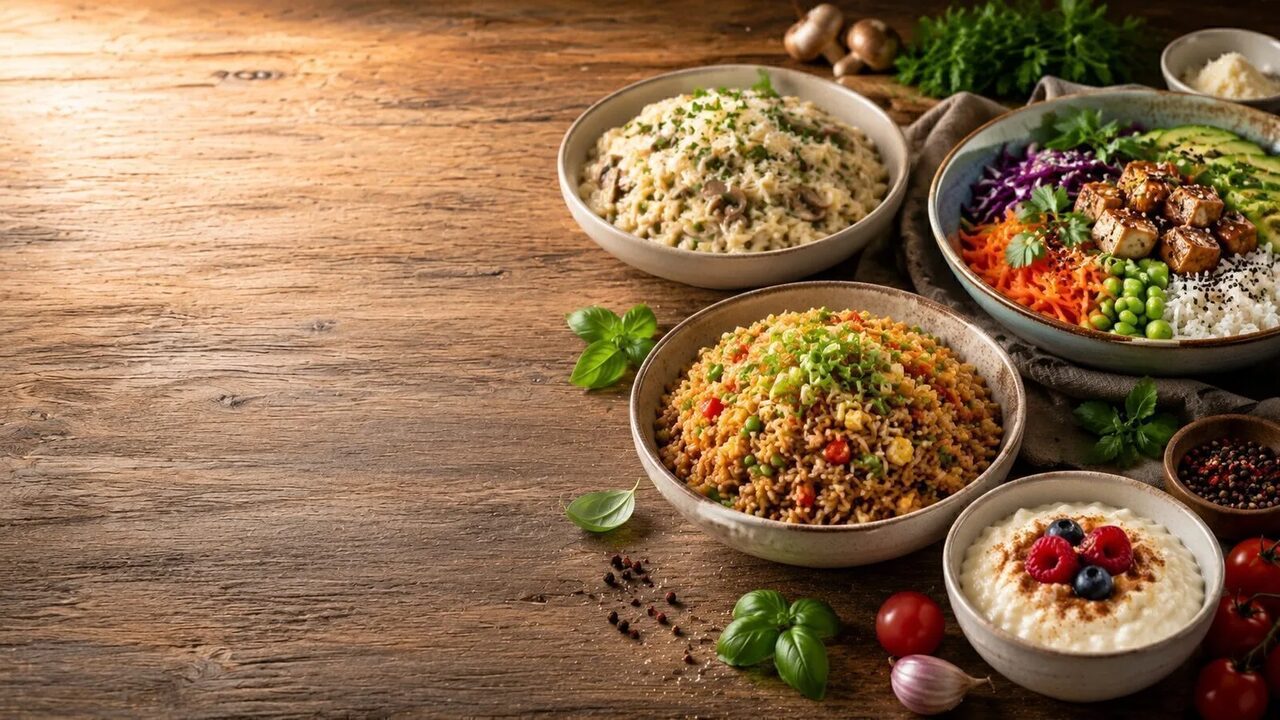
Different rice varieties create very different results. Find the right method for fluffy basmati, fragrant jasmine rice, creamy risotto, sticky sushi rice and grains that are ready for a hot wok.
Recipes
rice pudding cooks at low heat in milk with sugar, vanilla and salt and is served with cinnamon sugar and apple sauce. Stir regularly and leave to boil after cooking so that the rice becomes creamy without burning.
Red beets and risotto rice cook creamy with onion and hot broth before parmesan, balsamico and thyme round off the rice. Add the broth in portions and dice the beet finely or partly puree the beet so that colour and bite are balanced.
Pumpkin cubes are toasted, risotto rice is then cooked creamy with onion and hot broth and is completed with sage, butter and parmesan. Add broth only in portions and crush a portion of the pumpkin so that the risotto binds without becoming pulpy.
Orange pepper is cut out as a face and baked with a pre-cooke mixture of rice, beans, corn, tomatoes and cheese. Rice and filling must be pre-cooked, because the peppers in the oven should only become soft and retain colour.
Mushrooms are roasted separately, while risotto rice with onion, white wine and hot broth gradually cook creamy. The mushrooms come back in the rice only at the end so that they remain browned; Parmesan is stirred away from the heat.
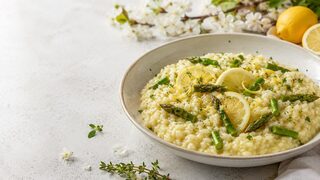
Risotto rice is sautéed with onion and gradually cooked with hot broth; pieces of asparagus come in time, Parmesan, butter and lemon only at the end. Do not cook the asparagus from the beginning and the risotto off the heat mantecare so that rice and vegetables keep their bite.
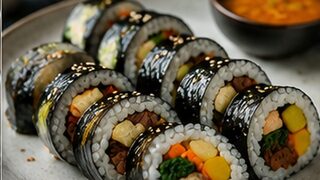
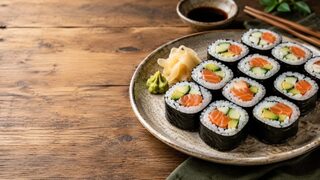
Gimbap is a Korean rice roll with gim algae leaf, sesame rice, vegetables, egg, danmuji and, if desired, beef or fish cake. The fillings are prepared dry and neatly.
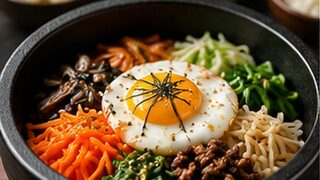
Bibimbap is a Korean rice shell with warm rice, individually cooked vegetables, egg, sesame oil and Gochujang sauce. The ingredients are first mixed at the table so that textures and aromas remain clear.
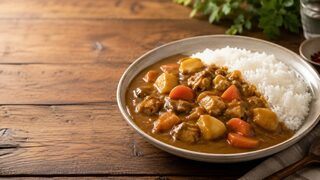
Japanese curry rice is a mild-spicy curry with meat or tofu, potatoes, carrots, onions and a sour curry roux sauce.
Sushi rolls succeed with properly seasoned sushi rice, Nori leaves and cleanly prepared fillings. The rice is seasoned with rice vinegar, sugar and salt, not with soy sauce.
Risotto alla Milanese is mixed creamy with risotto rice, saffron, broth, butter and Parmesan. The rice should be soft, but keep a slight bite in the core.
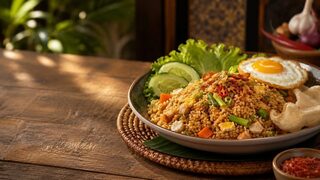
Nasi Goreng succeeds best with chilled rice from the previous day, kecap manis, sambal, egg and briefly fried vegetables. The rice should remain loose and not dampen in the wok.
Biryani is layered with basmati rice, marinated meat or vegetables, spices, onions and saffron. The rice is only pre-cooked and steamed.
Gemista are tomatoes and peppers filled with rice, herbs and tomato meat. In the oven they cook slowly with olive oil and potatoes.
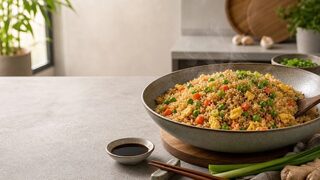
Fried rice succeeds with cold rice from the day before, egg, vegetables, soy sauce and high pan heat. The rice should fry, not steam in the wok.
Mango Sticky Rice is a Thai dessert made of steamed klebreis, sweetened coconut milk, mature mango and slightly salty coconut sauce. The rice must first soak.
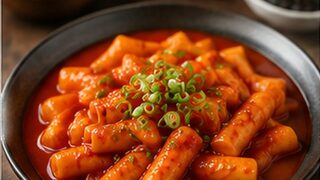
Tteokbokki is Korean street food with soft rice cake in a sweet-sharp Gochujang sauce. Fish cake, spring onions and boiled eggs make the pan filling.
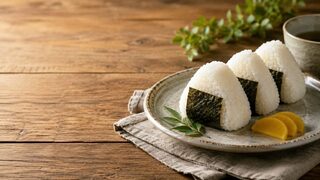
Onigiri are Japanese rice balls made of short sticky rice, salt and fillings such as salmon, tuna mayo, umeboshi or sesame. Nori comes just before the meal.