
Separating Components
Bibimbap is better when vegetables, rice, egg and sauce are prepared separately and mixed only when eaten.
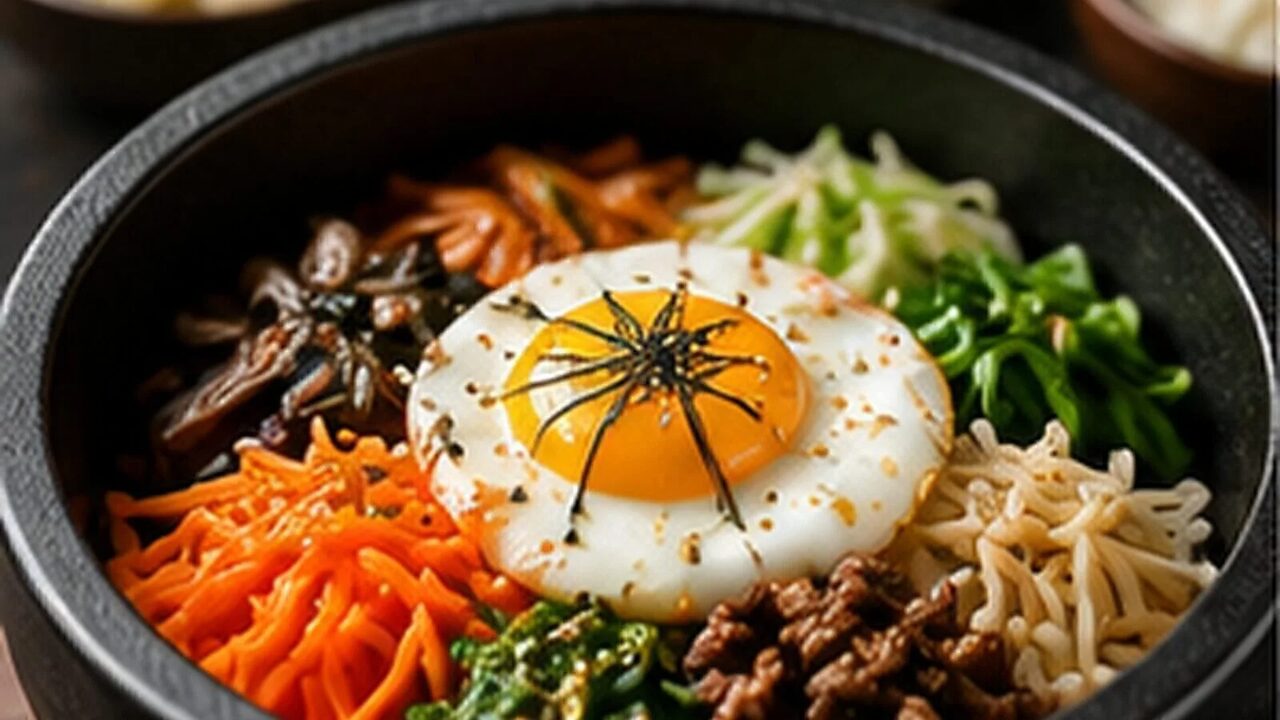
This Bibimbap recipe combines rice, spinach, soy sprouts, carrots, zucchini, mushrooms, optional beef and fried egg. Each component is seasoned separately so that the peel tastes fresh, balanced and not muddy.
Why this recipe works
Bibimbap lives from separately prepared components. The rice forms the basis, the vegetables remain tender but firm, the egg brings creaminess and Gochujang provides spice. Sesame oil and roasted sesame come to the end so that the fragrance remains fresh.
Recipe
Bibimbap is a Korean rice shell with warm rice, individually cooked vegetables, egg, sesame oil and Gochujang sauce. The ingredients are first mixed at the table so that textures and aromas remain clear.
Wash and cook rice. Keep warm afterwards, but don't let it get too wet.
Blanch and squeeze dry spinach. Cook soy sprouts briefly. Roast carrots, zucchini and mushrooms one after the other with little oil and salt slightly.
Mix Gochujang, soy sauce, rice vinegar, sugar or honey and some sesame oil.
Fry beef or tofu briefly. Roast eggs as a mirror egg, the egg yolk may remain soft.
Place rice in bowls, arrange vegetables, protein and egg on it. Serve with sauce, sesame oil and sesame and mix until you eat.
Kitchen know-how
Bibimbap is better when vegetables, rice, egg and sauce are prepared separately and mixed only when eaten.
Sesame oil is intense. Few drops at the end give fragrance without covering everything.
In a hot stone shell, crispy rice is produced on the ground. A normal shell also works.
Variations
Values are estimates per serving and may vary depending on the ingredients, brands, portion size and preparation method used.
Frequently asked questions
Keep cooking