50 min
European
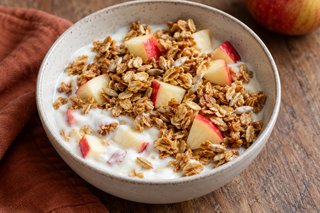
Oat and sunflower seed granola with apple yogurt
Golden toasted oats and sunflower seeds on plain yogurt with fresh apple cubes.
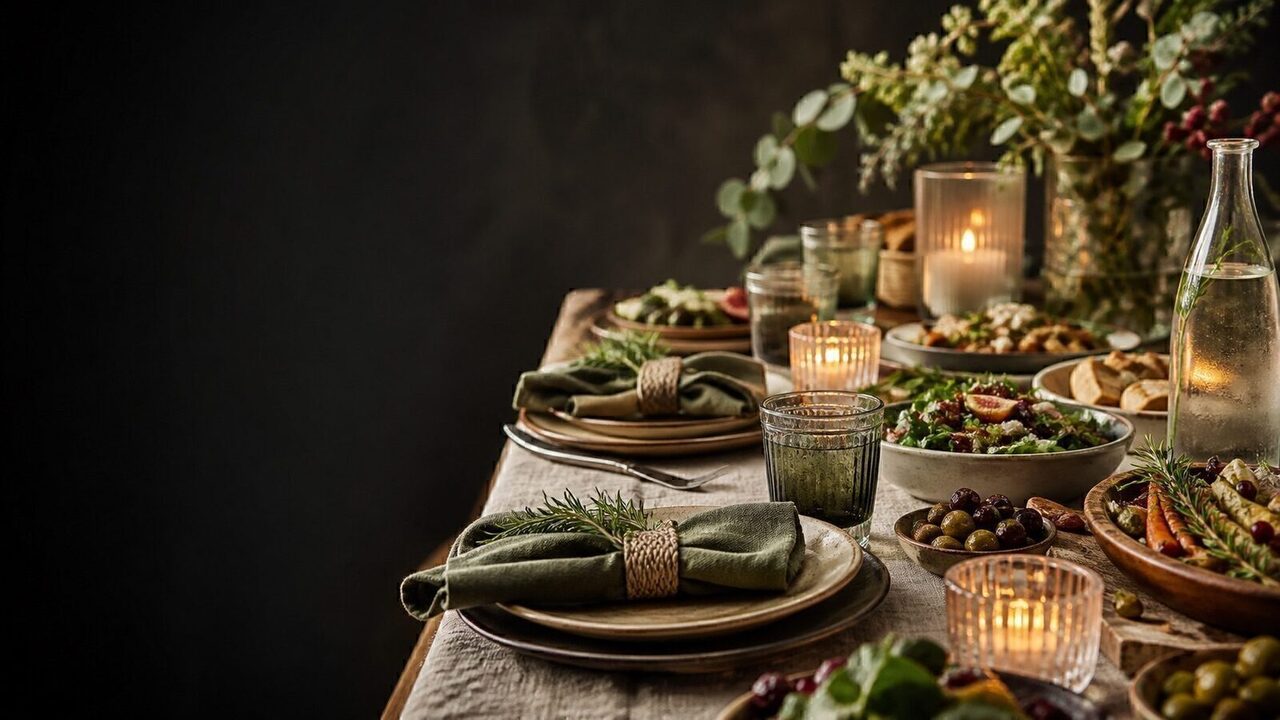
Cook with the season or plan food for a special date. These collections cover fresh spring dishes, summer favourites, autumn comfort food and recipes for the year's major celebrations.
Topics
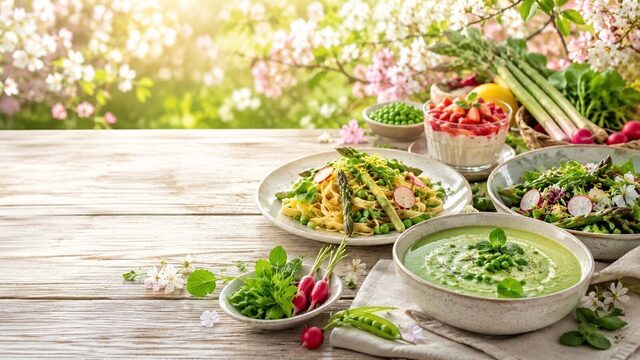
Fresh spring recipes with asparagus, wild garlic, peas, radishes, young potatoes, strawberries and rhubarb.

Easter recipes for breakfast, brunch and a festive meal, with yeast baking, eggs, asparagus, lamb and desserts.
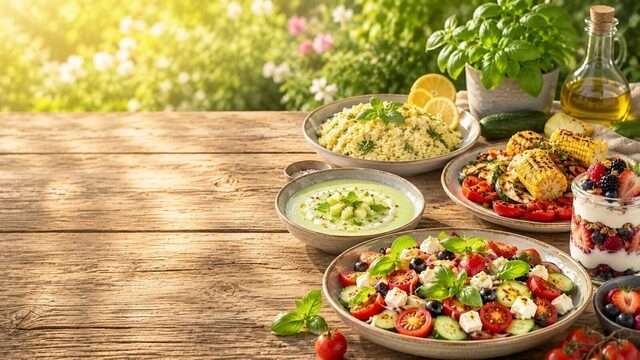
Easy summer recipes with tomatoes, berries, cucumber, courgette, fresh herbs, grilled food and chilled desserts.
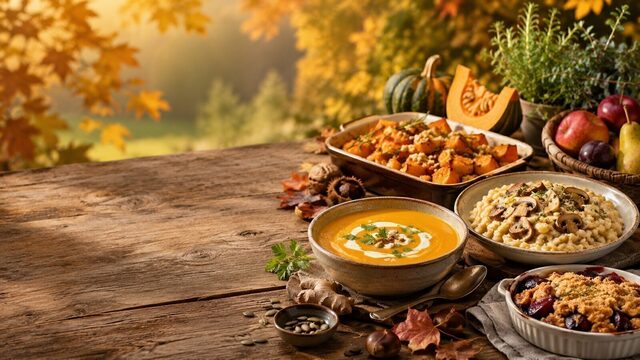
Warming autumn recipes with pumpkin, mushrooms, apples, pears, cabbage, root vegetables and chestnuts.

Halloween recipes for pumpkin dishes, party snacks, finger food and playful desserts that still taste good.
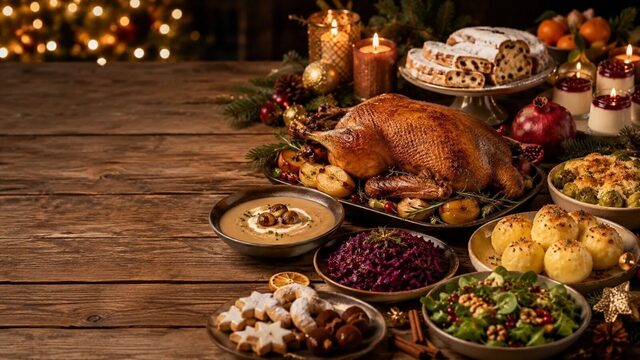
Christmas recipes for festive starters, roasts, side dishes, biscuits, cakes and make-ahead desserts.

New Year's Eve recipes for finger food, raclette, buffet salads, hot party dishes and desserts in glasses.

Comforting winter recipes with cabbage, root vegetables, potatoes, pulses, soups, stews and oven dishes.
Recipes
Golden toasted oats and sunflower seeds on plain yogurt with fresh apple cubes.
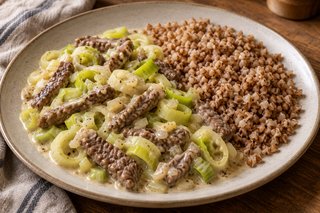
Thin beef strips and tender leek in a mild mustard cream sauce, served with fluffy cooked buckwheat.
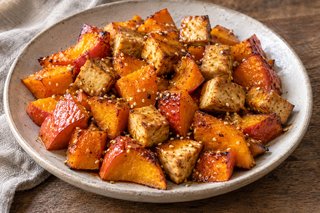
Tender Hokkaido pumpkin and golden tofu cubes with a thin soy and ginger coating and sesame toasted at the end.
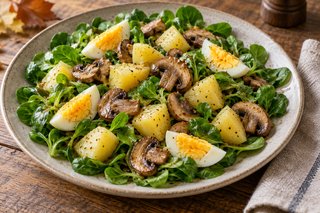
Fresh lamb’s lettuce with warm potato cubes, browned mushrooms and hard-boiled egg in mustard and cider vinegar dressing.
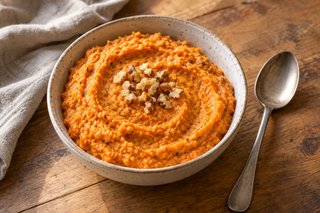
Softly roasted carrots and walnuts are blended with lemon and a little water into a savoury spread.
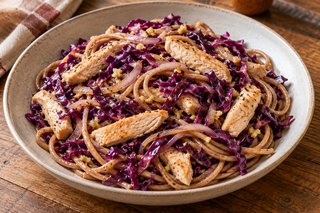
Tender turkey strips, finely sliced red cabbage and wholegrain spaghetti with ginger, garlic and soy sauce.
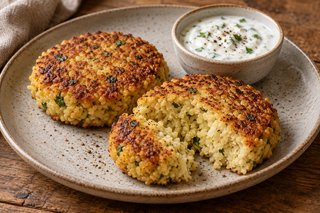
Golden patties made with cooked millet and finely grated parsnips, served with a fresh yogurt and lemon dip.
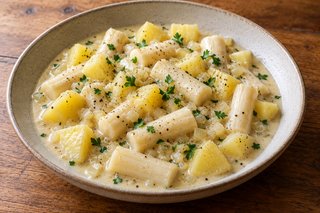
Tender salsify pieces and potato cubes in a mild cream sauce with mustard, lemon and parsley.
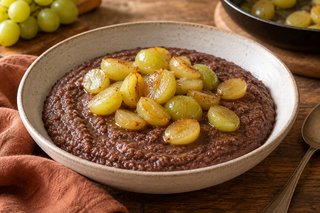
Creamy cornmeal with unsweetened cocoa and milk, served with pale grapes briefly warmed in butter.
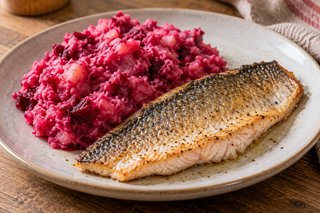
Pan-fried skin-on trout fillet with vivid pink potato mash made with precooked beetroot.
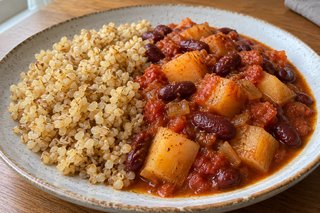
Tender rutabaga cubes and kidney beans in mild tomato sauce with paprika and cumin, served with bulgur.

Golden puff pastry encloses tender leek, cooked ham and a mild quark egg filling with mustard.
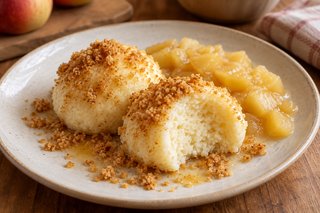
Unfilled quark semolina dumplings gently poach in water and are served with buttered breadcrumbs and warm apple compote.
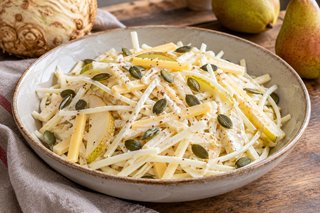
Fine raw celeriac sticks, pear and Gouda in yogurt mustard dressing, scattered with pumpkin seeds.
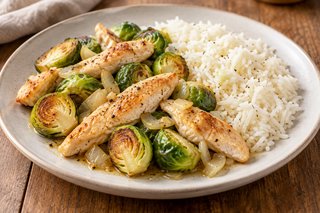
Browned chicken strips and gently steamed Brussels sprouts are served with fluffy lemon rice.
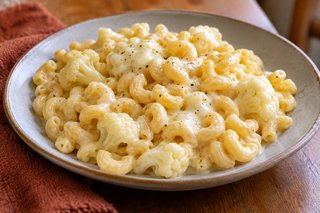
Macaroni and small cauliflower florets combine with a mild milk sauce made with Gouda and mustard.
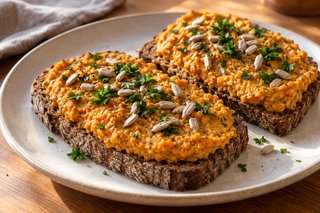
Rye bread with a thick spread of roasted Hokkaido pumpkin and ground sunflower seeds, topped with parsley and a little seed crunch.
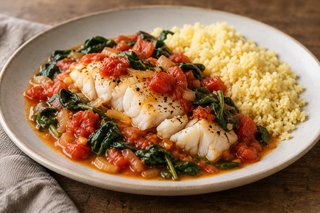
Cod gently cooks on spinach tomato ragout while couscous absorbs water separately.
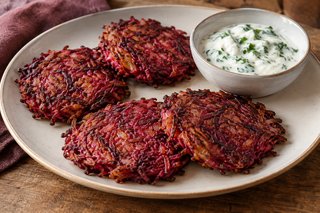
Fine shreds of raw beetroot and potato are fried into flat fritters and served with parsley yogurt.
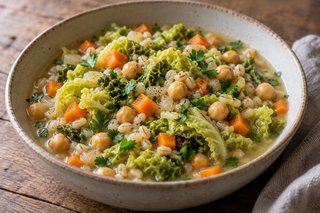
Savoy cabbage, small pearl barley, carrots and chickpeas cook into a thick vegan autumn stew in one pot.

Soft oat cookies with finely grated pear and ground almonds, baked until golden in the oven.
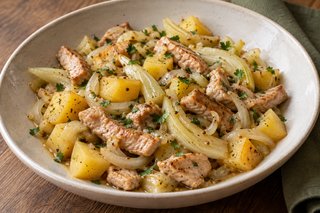
Lean pork strips, potato cubes and fennel cook in one skillet with a small amount of mustard cooking jus.
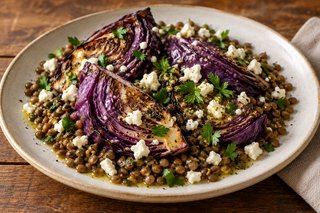
Roasted red cabbage wedges sit on warm brown lentils with lemon mustard dressing, feta and parsley.
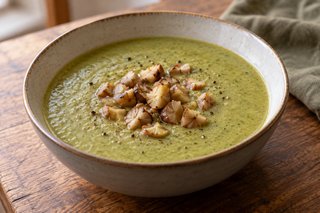
Broccoli and precooked chestnuts make a smooth vegan soup with few ingredients and a small chestnut topping.

Thin buckwheat crêpes are filled with tender sautéed apple cubes for a warm autumn breakfast.
Guide
Each season brings its own ingredients, flavours and cooking ideas. In spring, the focus is on wild garlic, asparagus, peas, rhubarb and fresh herbs. In summer, tomatoes, berries, zucchini, cucumbers, grilled dishes and light desserts are particularly good.
When it gets cooler outside, the food can be stronger and more warm: pumpkins, mushrooms, apples, cabbage, potatoes, root vegetables, casseroles, soups and stews characterize autumn and winter.
On public holidays there is also planning. Some dishes can be prepared in advance, others taste best freshly prepared. Here you will find recipe ideas that fit both taste and organization to the respective occasion.
Spring recipes are fresh, light and full of green flavours. Asparagus, wild garlic, peas, radishes, young potatoes and rhubarb provide varied dishes after the winter months.
Discover salads, pasta, quiches, oven dishes, light desserts and simple ideas with fresh herbs.
In summer, uncomplicated dishes are in demand, which taste fresh and can be prepared in advance. Salads, grill dishes, cold soups, bowls, fish, vegetables, berries and desserts in the glass are particularly good for warm days.
Many summer recipes are suitable for balcony, terrace, garden, picnic or a relaxing meal with guests.
The autumn brings strong, aromatic ingredients to the table. Pumpkin, mushrooms, apples, pears, cabbage and root vegetables fit perfectly with soups, oven dishes, pasta, casseroles and stews.
These recipes are ideal if you like it hearty, seasonal and cosy.
Winter recipes can warm and fill up. Potatoes, cabbage, legumes, root vegetables, noodles and creamy sauces form a good basis for soups, stews, casseroles and oven dishes.
Also sweet classics like rice pudding, crumble, pancakes or hot drinks fit perfectly into the cold season.
Easter is a nice opportunity for a relaxing breakfast, brunch or family dinner. Eggs, yeast dough, asparagus, herbs, lamb, fish and springy desserts are particularly well suited to the Easter table.
Here you will find ideas for Easter breakfast, brunch, cakes, main dishes and desserts.
Halloween can be playful, colorful or a little scary. Pumpkin, finger food, hearty snacks, dark desserts and funny shapes make simple recipes suitable ideas for children, family or a Halloween party.
Many Halloween recipes can be prepared and served well as a buffet.
At Christmas, the focus is on common meals, familiar aromas and good preparation. Roasts, potato side dishes, red cabbage, winter vegetables, cookies, nuts, spices and festive desserts ensure a cosy meal with family or guests.
Here you will find classic Christmas dishes as well as uncomplicated ideas that make you less stressful on the day of the festival.
New Year's Eve recipes should be sociable, easy to share and as relaxed as possible. Finger food, raclette ideas, small appetizers, salads, party dishes, dips, desserts in the glass and midnight soups are particularly suitable for the turn of the year.
Place several small dishes in the middle of the table so that everyone can taste and combine according to desire.
First think about how to eat. For a buffet finger food, salads, dips, small oven dishes and desserts in the glass are suitable. For a family dinner main dishes from the oven, soups, casseroles or stews fit particularly well.
With a menu, you can specifically match appetizer, main course and dessert. Thus, the food remains varied without the preparation becoming too complex.
For holidays and guests, recipes can be prepared partially or completely. You can often prepare dips, desserts, doughs, salads, marinades and many oven dishes the day before.
Dishes that quickly lose their consistency are better prepared just before serving. These include crispy dishes, delicate salads or freshly fried fish.
Seasonal ingredients automatically bring variety to your kitchen. They fit the season and give recipes a natural direction: asparagus in spring, berries and tomatoes in summer, pumpkin and mushrooms in autumn as well as cabbage and root vegetables in winter.
You don't have to cook only seasonally. Even one or two matching ingredients are often enough to make a dish much better suited to the occasion.
A relaxed meal with guests does not have to consist of many elaborate courses. Rather combine few dishes, which can be well complemented and partly prepared.
For a summer evening, for example, a large salad, grilled vegetables, bread, dips and a dessert in a glass fit. In autumn or winter, a soup, an oven dish and a simple dessert are an uncomplicated combination.
On New Year's Eve, you can offer small appetizers, dips, salads and hot party dishes as buffets. For Christmas or Easter, a prepared dessert, matching side dishes and a main dish from the oven work particularly well.
FAQ