50 min
European
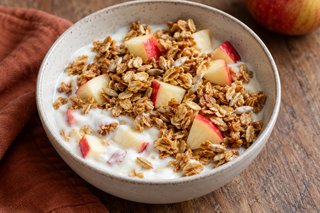
Oat and sunflower seed granola with apple yogurt
Golden toasted oats and sunflower seeds on plain yogurt with fresh apple cubes.
Recipes
Golden toasted oats and sunflower seeds on plain yogurt with fresh apple cubes.
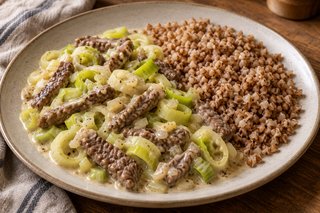
Thin beef strips and tender leek in a mild mustard cream sauce, served with fluffy cooked buckwheat.
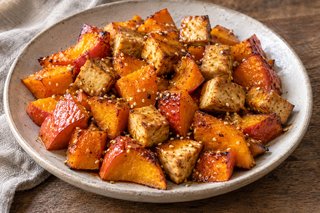
Tender Hokkaido pumpkin and golden tofu cubes with a thin soy and ginger coating and sesame toasted at the end.
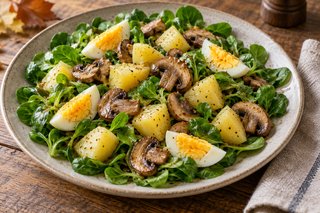
Fresh lamb’s lettuce with warm potato cubes, browned mushrooms and hard-boiled egg in mustard and cider vinegar dressing.
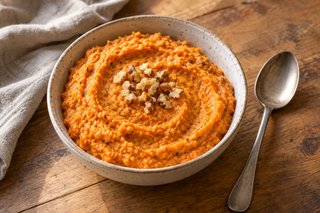
Softly roasted carrots and walnuts are blended with lemon and a little water into a savoury spread.
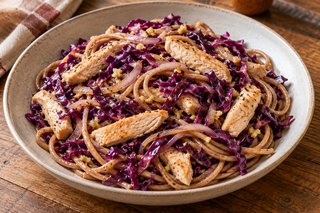
Tender turkey strips, finely sliced red cabbage and wholegrain spaghetti with ginger, garlic and soy sauce.
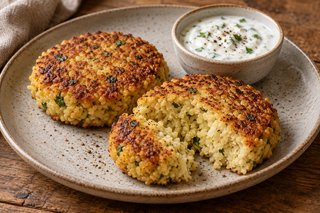
Golden patties made with cooked millet and finely grated parsnips, served with a fresh yogurt and lemon dip.
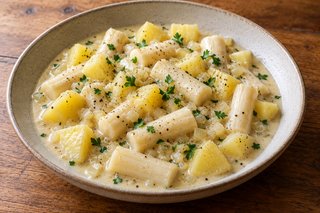
Tender salsify pieces and potato cubes in a mild cream sauce with mustard, lemon and parsley.
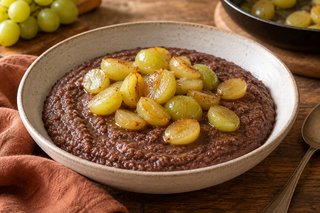
Creamy cornmeal with unsweetened cocoa and milk, served with pale grapes briefly warmed in butter.
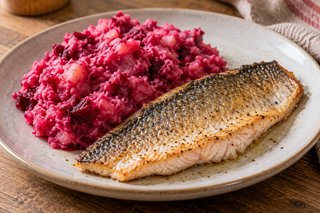
Pan-fried skin-on trout fillet with vivid pink potato mash made with precooked beetroot.
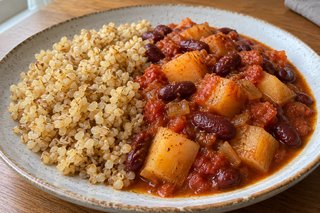
Tender rutabaga cubes and kidney beans in mild tomato sauce with paprika and cumin, served with bulgur.

Golden puff pastry encloses tender leek, cooked ham and a mild quark egg filling with mustard.
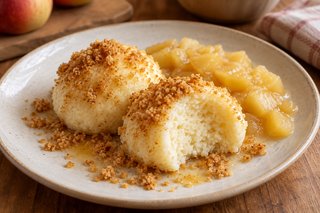
Unfilled quark semolina dumplings gently poach in water and are served with buttered breadcrumbs and warm apple compote.
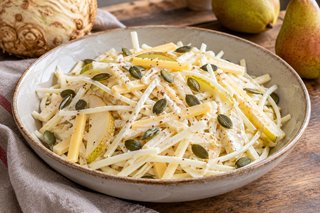
Fine raw celeriac sticks, pear and Gouda in yogurt mustard dressing, scattered with pumpkin seeds.
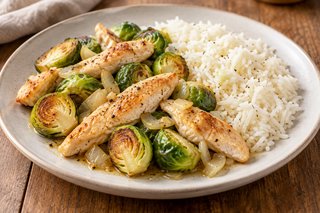
Browned chicken strips and gently steamed Brussels sprouts are served with fluffy lemon rice.
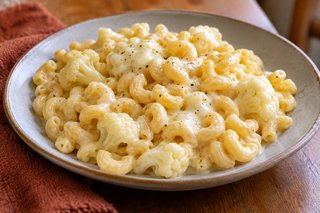
Macaroni and small cauliflower florets combine with a mild milk sauce made with Gouda and mustard.
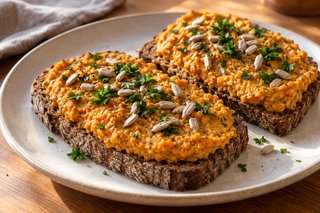
Rye bread with a thick spread of roasted Hokkaido pumpkin and ground sunflower seeds, topped with parsley and a little seed crunch.
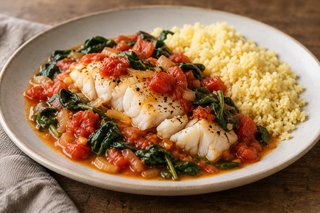
Cod gently cooks on spinach tomato ragout while couscous absorbs water separately.
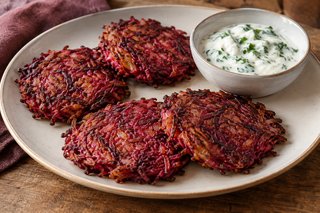
Fine shreds of raw beetroot and potato are fried into flat fritters and served with parsley yogurt.
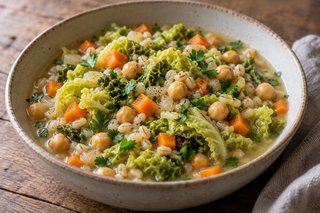
Savoy cabbage, small pearl barley, carrots and chickpeas cook into a thick vegan autumn stew in one pot.
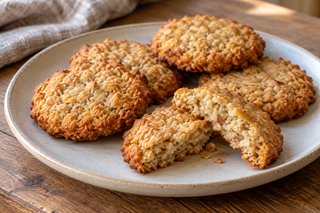
Soft oat cookies with finely grated pear and ground almonds, baked until golden in the oven.
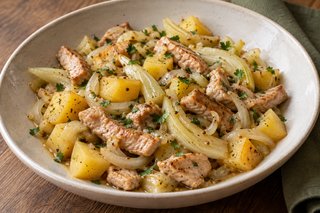
Lean pork strips, potato cubes and fennel cook in one skillet with a small amount of mustard cooking jus.
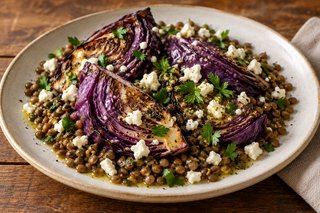
Roasted red cabbage wedges sit on warm brown lentils with lemon mustard dressing, feta and parsley.
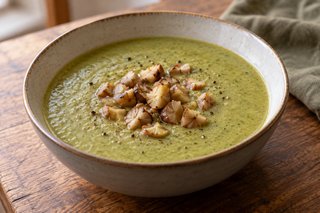
Broccoli and precooked chestnuts make a smooth vegan soup with few ingredients and a small chestnut topping.

Thin buckwheat crêpes are filled with tender sautéed apple cubes for a warm autumn breakfast.
Guide
In autumn, dishes can be a little stronger and warmer again. Pumpkin Cream Soup, Lentil stew, Potato leek soup and sweet potato chilli are particularly suitable for rainy or cold days.
Also dishes from the oven fit perfectly into the season. Brussels sprouts and potatoes casserole, oven pumpkin with feta or onion cake can be prepared in advance and then served relaxed.
For the weekend or a meal together with guests, you can choose from Schmorgerichte such as Rindergulasch or Wildragout. You need a little more time, but you can usually cook slowly without much work.
The autumn kitchen offers a wide range of Vegetables, Fruit and strong aromas. Many ingredients are suitable for both hearty and sweet recipes.
Typical ingredients for autumn dishes are:
These ingredients allow soups, casseroles, pan dishes, Pasta, prepare salads and desserts varied.
Pumpkin is one of the most popular ingredients of the autumn kitchen. Hokkaido is particularly uncomplicated because its shell becomes soft when cooking and can be eaten. Butternut pumpkin has a mild, slightly nutty aroma and is suitable for soups, puree and oven dishes.
A pumpkin cream soup with ginger warms on cool days and can be prepared in advance. A pumpkin gnocchi pan is suitable for a quick main dish. Oven pumpkin with feta and honey combines savoury, salty and slightly sweet aromas.
Pumpkin harmonises particularly well with:
Mushrooms bring a strong, savoury aroma in autumnal dishes. They match pasta, risotto, Spätzle, potatoes, Meat and creamy sauces.
A mushroom risotto with parmesan is suitable for a cosy dinner, while a Spätzle pan with mushrooms is quickly and uncomplicatedly prepared. Marons give pasta, soups and sauces a slightly sweet, nutty note.
Fresh mushrooms should be cleaned as dry as possible and fried only briefly. Do not put too many mushrooms in the pan at the same time, so that they can roast and do not become soft in their own juice.
Soups and stews are among the most practical autumn dishes. They can be prepared in advance, warm up and often freeze.
A potato-lauch soup is creamy, uncomplicated and filling. Pumpkin cream soup gets a pleasant freshness and slight heat through ginger. A lentil stew with root vegetables delivers a hearty meal, while sweet potato chilli with beans and spices provides strong aromas.
Many soups taste even more aromatic the next day if the spices and ingredients had enough time to pull through.
Oven dishes are ideal if you want to spend little time on the stove. After preparation, the oven takes over a large part of the work.
A Brussels cabbage-potato casserole is hearty and filling. Oven pumpkin with feta is suitable as a vegetarian main dish or as a side dish. Onion cake also fits perfectly into the autumn and tastes warm or lukewarm.
For an even cooking time you should cut solid ingredients such as potatoes smaller or pre-cook shortly. Sensitive ingredients and fresh herbs are only added later.
Slowly stewed meat dishes fit particularly well on cool days. beef goulash, wild ragout and stewed meat dishes develop a strong aroma at low temperature and longer cooking time.
Wildragout with cranberries combines hearty sauce with a slightly fruity note. beef goulash with peppers is a classic stew that can be prepared in advance and reheated.
For a faster autumn dish, chicken breast with apple-mustard sauce is suitable. The combination of fruity apple, spicy mustard and juicy chicken fits well with potatoes, rice or Spätzle.
The autumn kitchen offers many filling Vegetarian possibilities Pumpkin, mushrooms, potatoes, lentils, marons and cabbage also produce complete main dishes without meat.
Especially well suited are:
Cheese, legumes, potatoes and cereals ensure that vegetarian autumn dishes are pleasantly filling.
Even in autumn, not all dishes need to be heavy or warm. Red beets, red cabbage, apples, pears, nuts and strong cheeses are ideal for seasonal salads.
A pear-walnut salad combines fruity sweetness with crispy nuts. Red beet carpaccio with goat cheese is suitable as a light starter or small dinner. Apple-red cabbage salad fits with oven dishes, game, potatoes or a autumn buffet.
To make autumn salads more filling, you can add lentils, baked pumpkin, potatoes, cheese or roasted nuts.
Apples, pears and plums bring fruity sweetness to the autumn kitchen. They match cakes, crumble, porridge, compote and warm desserts.
A plum crumb with oat sprinkles is uncomplicated and tastes warm especially good. To this end, yoghurt, vanilla sauce or a ball of ice. Apple cinnamon porridge is a warming breakfast that can be complemented with nuts, raisins or maple syrup.
Autumn fruit can also be used in savoury dishes. Apples fit, for example, red cabbage, chicken, pork and mustard sauces, while pears harmonise well with walnuts and strong cheese.
For a meal with guests are dishes that can be prepared in advance. Soups, stews, goulash and casseroles can often be cooked or prepared the day before.
An uncomplicated autumn menu could look like this:
You can usually prepare soups, chilli and stews completely and then slowly warm them up. Keep fresh herbs, roasted seeds and other toppings separately.
Goulash and wild ragout often taste particularly aromatic after reheating. Let the dish cool completely and then keep it covered in the refrigerator.
Pumpkin, potatoes and root vegetables can be cut several hours before. Store prepared vegetables well covered and cool until use.
Many casseroles can be prepared and stored in the refrigerator until baking. Plane in case of a cold casserole from the refrigerator if necessary for some additional minutes of baking time.
FAQ