45 min
European
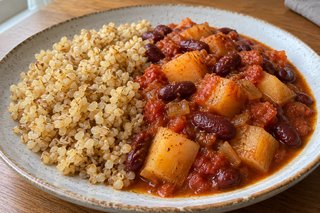
Rutabaga and kidney bean skillet with bulgur
Tender rutabaga cubes and kidney beans in mild tomato sauce with paprika and cumin, served with bulgur.
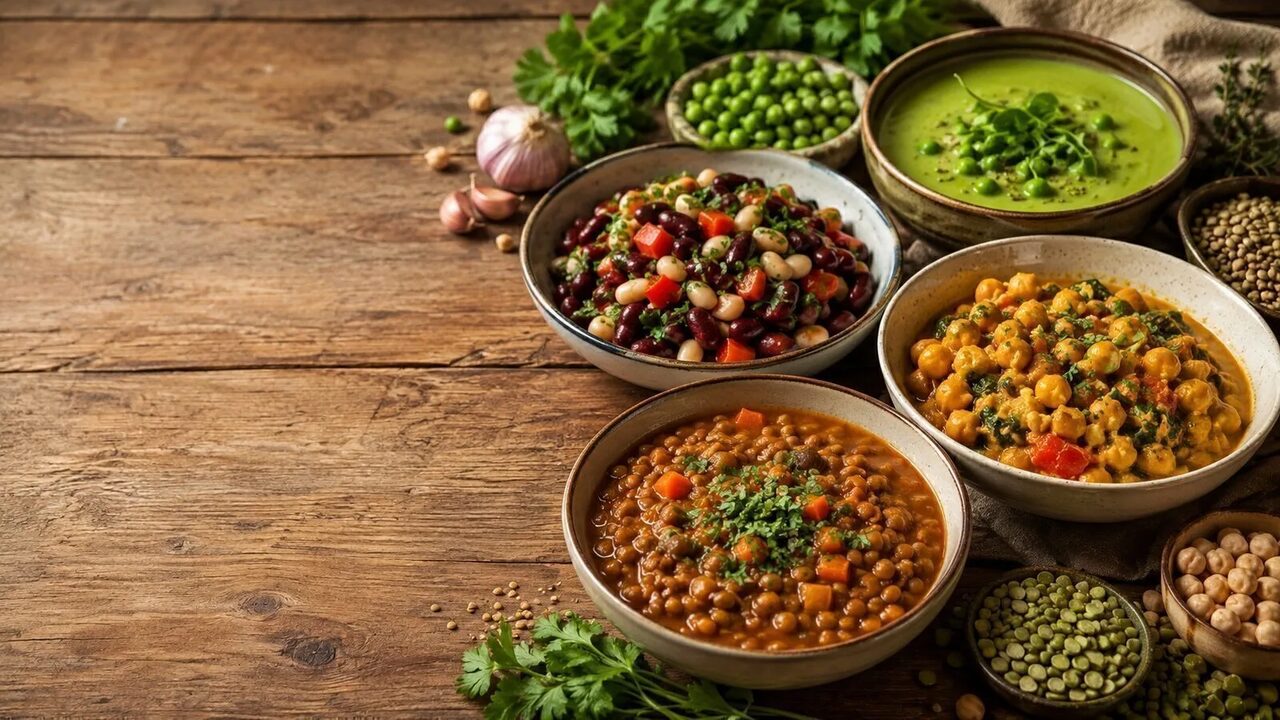
Pulses bring protein, texture and substance to inexpensive everyday meals. Learn when soaking helps, how long different varieties need to cook and which seasonings make them shine.
Recipes
Tender rutabaga cubes and kidney beans in mild tomato sauce with paprika and cumin, served with bulgur.
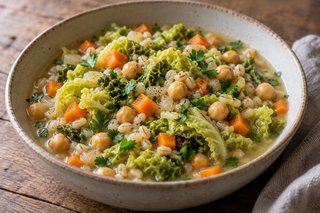
Savoy cabbage, small pearl barley, carrots and chickpeas cook into a thick vegan autumn stew in one pot.
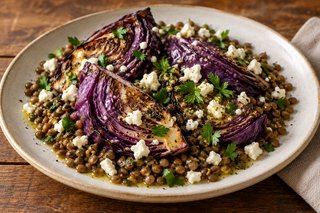
Roasted red cabbage wedges sit on warm brown lentils with lemon mustard dressing, feta and parsley.
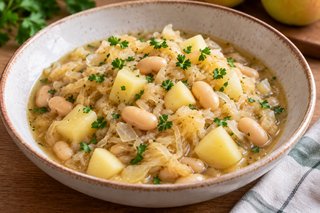
Sauerkraut, white beans and potatoes combine with apple in a mildly fruity vegan autumn stew.
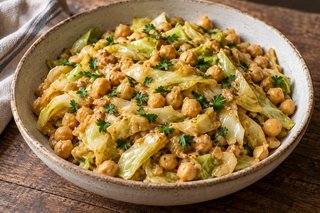
Tender pointed cabbage and chickpeas in creamy peanut sauce make an easy vegan autumn skillet.
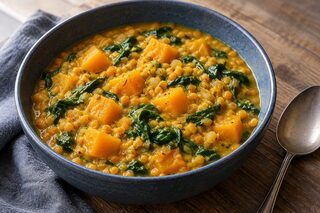
A mild vegan dal with pumpkin, red lentils and baby spinach, gently enriched with coconut milk and cooked in one pot.
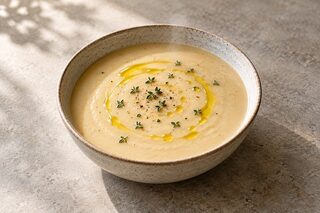
White beans make this parsnip soup creamy without cream. Thyme and a little lemon add a savoury note to the mild vegetables.
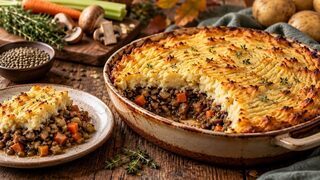
A savoury lentil, mushroom and root vegetable filling bakes beneath a golden layer of creamy mashed potatoes.
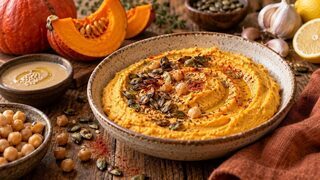
Roasted Hokkaido squash makes classic chickpea hummus mild and creamy, while tahini, lemon and cumin add depth.
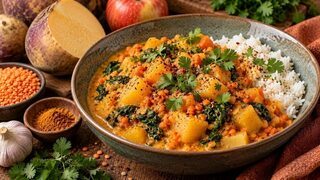
Swede, red lentils and spinach simmer in a spiced tomato and coconut sauce to make a filling vegetarian autumn curry.
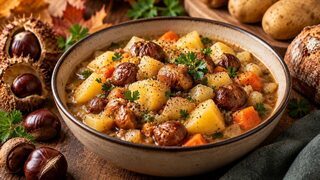
Potatoes, cooked chestnuts, leek and white beans make a naturally thick vegetarian stew seasoned with marjoram.
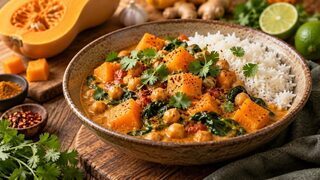
Butternut squash, chickpeas and spinach simmer in a gently spiced coconut sauce to make a satisfying vegan curry.
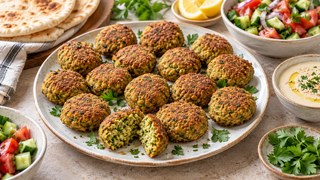
Falafel made of soaked raw chickpeas are browned outside in the air fryer and loose inside without being fried in oil.

Quesadillas with black beans, corn and cheese are crispy on the outside in the air fryer when the tortillas are securely folded and thinly oiled.
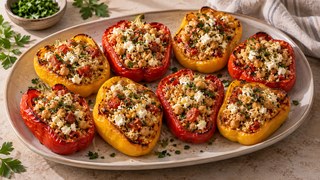
Pepper halves are first softly pre-cooked in the air fryer and then filled with couscous, chickpeas, tomatoes and feta.
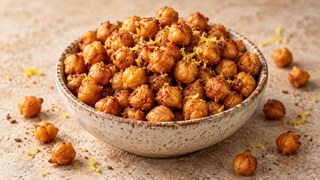
Chickpeas from the can become a spicy snack in the air fryer when they are thoroughly dried and salted until they are roasted.
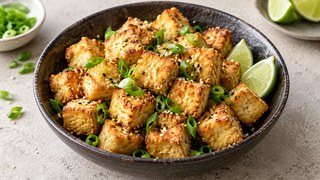
Naturtofu is crispy outside in the air fryer when pressed dry, marinated with soy sauce and thinly coated with starch.
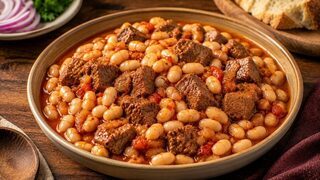
Etli Kuru Fasulye is a Turkish stew of white beans, delicate beef, onions, tomato and paprika purée – classic to rice and pickles.
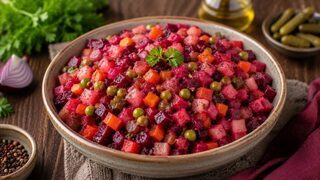
Russian Vinegret salad combines beetroot, potatoes, carrots, salt cucumbers, sauerkraut and peas with a plain sunflower oil dressing.
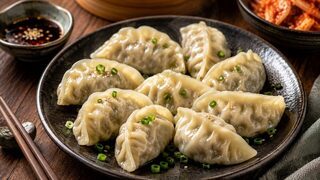
Korean mandus are filled with pork, tofu, cabbage, mungbean sprouts, glass noodles and cut garlic and gently dampened.
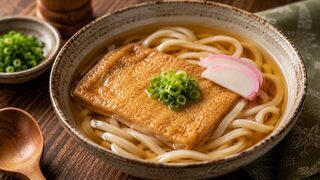
Kitsune Udon combines thick, elastic udon noodles with clear Dashi broths and sweet-spicy stewed Aburaage tofu bags.
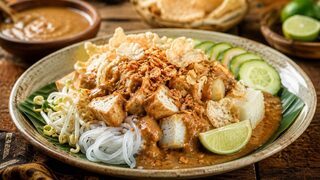
Ketoprak combines rice noodles, fried tofu, mung bean sprouts, cucumber and rice cake with a freshly stirred peanut sauce and kecap manis.
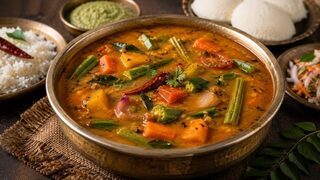
Sambar is a South Indian lentil-vegetable stew with Toor Dal, Tamarinde, Sambar powder and a fragrant Tadka made of mustard seed and curry leaves.
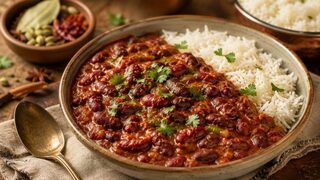
Rajma Masala is a North Indian bean curry made from red kidney beans, tomatoes, onions, ginger, garlic and warm spices.
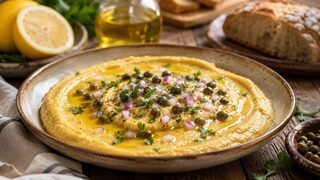
Greek fava is a silky puree of yellow peel peas, onion, olive oil and lemon, served with capers and red onion.
Guide
Lentils, beans, chickpeas and peas are versatile bases for curries, soups, stews, salads, spreads and fryings. Dried, they keep long, pre-cooked from glass or can, they are quickly available and frozen peas or beans complement spontaneous dishes.
On this page you will find legume recipes for fast everyday cuisine and dishes with a little preliminary. Combine them with ideas from the categories Vegetables, Rice, Potatoes and Noodles.
The varieties differ in taste, consistency and cooking behavior. Peeled red and yellow lentils disintegrate quickly and bind soups, Dal and sauces. Mountain, Beluga and Puy lentils stay more in shape and fit with salad or side dish. Beans and chickpeas are firmer and give stew, chilli, curry and bowl more bite.
Dried legumes are inexpensive, well stockable and can be seasoned flexibly after cooking. However, beans and chickpeas need soaking and cooking time. Pre-cooked products made of glass, can or bag save these steps and can be used directly depending on the recipe. Draining is usually useful; Rinse is optional and depends on brine, salt content and desired sauce.
Deep-frozen peas, edamame and green beans can be extracted in portions. They are usually cooked without defrosting according to the package. Fresh garden beans and peas are seasonal vegetables and differ in the preparation of ripe, dried legumes.
Dried beans, chickpeas and unpeeled peas are usually soaked in plenty of water for several hours or overnight. This shortens the subsequent cooking time and can improve tolerability. Use a sufficiently large vessel, as the legumes gain significantly in volume.
Peeled red and yellow lenses as well as most small lens types do not normally have to be soaked. Plate lenses can be soaked depending on the product and the planned cooking time. The decisive factor is always the indication on the packaging, because variety, size, age and processing influence the required time.
Raw fresh and dried legumes must not be eaten half-cooked. Naturally contained lectins can cause discomfort and are inactivated only by sufficient heating. Gentle steaming at low temperature is therefore not the right method for beans and many other legumes.
The Federal Institute for Risk Assessment As a rule of thumb, it is recommended to soak dried legumes for at least five hours, to pour away the soaking water and then cook them sufficiently in fresh water. Package details and tried and tested recipes must be taken into account. Pre-cooked canned cans are already heated and can be processed directly.
Rinse lentils briefly and sort out possible foreign bodies. Red and yellow lentils cook quickly and disintegrate with increasing time. They are suitable if a creamy bond is desired. Beluga, mountain and Puy lentils are only gently cooked and tested early so that they remain tender but firm for salad or bowl.
The required amount of water and cooking time differ significantly. As a result of the package specification and pour out excess liquid in salad lenses. For soup or Dal, the cooking fluid can remain part of the dish. Acidic ingredients such as vinegar, lemon and larger amounts of tomato are better added towards the end, as acid can delay softening.
After soaking, dried beans are poured off, put on in fresh water and cooked completely. Sturdy stirring can damage the shells; even cooking and occasional control are more helpful. Older beans often take longer than freshly bought products.
Onions, garlic, bay leaf, cumin or herbs can flavour the cooking water. Tomatoes, vinegar and other sour ingredients only complement when the beans are soft. For salad they can retain their shape, for stew and spread they can become softer. Beans made of glass or can are only added to the dish late because they are already cooked.
Dried chickpeas are soaked and then cooked completely softly in fresh water. For hummus they can be very soft so that the spread becomes smooth and creamy. For salad, curry or oven dishes they should be cooked, but keep their shape.
Pre-cooked chickpeas are ideal for fast cooking. For hummus, they are pureed with tahini, lemon, garlic and liquid. For crispy oven chickpeas, drain thoroughly and pat dry, then roast with little oil and spices. Moisture prevents a crispy surface.
Frozen green peas need only a short cooking time and therefore come to the end in risotto, pasta, soup or vegetable pan. split peas are dried and crumble when cooking. They are particularly suitable for classic pea soup and puree.
Edamame are unripe soybeans. They are cooked according to the package and then triggered or already peeled. The outer pod is usually not eaten. Edamame colour and bite are added in bowl, salad and rice dish.
Lentils, beans and peas give soups substance and binding. Onions, root vegetables and spices are first sweated, then followed by liquid and legumes according to their cooking time. Pre-cooked beans are added only in the last phase.
For a balanced stew, potatoes, cabbage, carrots, tomatoes or leafy vegetables add taste and texture. Part of the legumes can be pureed so that the soup becomes creamy without needing much cream. Vinegar, lemon juice and fresh herbs round off the dish only at the end.
Red and yellow lentils are a quick basis for Dal. Ginger, garlic, cumin, turmeric, garam masala or chilli provide the direction. Coconut milk, tomatoes or broth form the sauce. Acid and fresh herbs are tasted after cooking.
chilli works with kidney beans, black beans or a mix. For a curry, chickpeas, lentils, peas and vegetables fit. Rice, flatbread or potatoes make it a full meal. More dishes with little washing can be found at One-pot dishes.
For salads, form-stable varieties are selected and cooked only to the appropriate bite. Add slightly warm lentils or beans with a portion of the dressing to allow them to absorb taste. Sensitive leaf salads, herbs and crispy toppings are added just before serving.
Good combinations are lentils with apple and root vegetables, white beans with tomatoes and herbs, chickpeas with cucumber and feta or black beans with corn and lime. A bowl complements the legumes with rice, cereals, roasted vegetables, dip and fresh components.
Boiled legumes can be pureed, crushed or combined with vegetables and spices. Hummus is based on chickpeas, white beans give mild herbal spreads and red lentils a fast creamy base. Add liquid only gradually so that the consistency remains controllable.
For fryings, the mass needs sufficient binding and rest time. Oatmeal, breadcrumbs, egg or a vegetable alternative help depending on the recipe. If the mass is too moist, it decays; if it is too dry, the frying becomes compact. Pulses are also suitable as filling for paprika, wraps, dough bags and oven vegetables.
Vegetables bring freshness and different textures, while rice, pasta, bread, couscous or potatoes complement the dish. lentils match root vegetables and spinach, beans with tomatoes, peppers and cabbage, chickpeas with pumpkin, eggplant and leafy vegetables.
yoghurt, feta or other cheeses give a creamy or salty contrast. Vegan dishes benefit from nutmeg, tahini, herbs, roasted seeds and a acidic component. Vegetarian dinner Without legumes remaining just a small addition.
Those who rarely eat legumes can start with smaller portions and peeled varieties such as red lentils. Dried beans and chickpeas are sufficiently soaked, the soaking water is disposed of and the legumes are cooked completely softly. Thorough chewing and a slow increase in the amount can also be helpful.
Cumin, fennel, ginger or savoury fit taste, but are not a substitute for proper soaking and cooking. In case of persistent discomfort or special medical nutritional requirements, individual professional advice is useful.
If dried beans or chickpeas are soaked anyway, a larger amount is worth it. Cool off the boiled legumes quickly and keep them covered in the refrigerator. For longer pantry staples freeze in portion with little cooking fluid and label containers with variety and date.
Cooked lentils, beans and chickpeas can later be used directly for curry, soup, salad, spread or pan. Dry pantry staples store cool, dry and light-proof in well-closing containers. The older they are, the longer the cooking time can become.
With the right variety, correct preparation and a clear seasoning, legumes become a versatile basis for fast and slow cooked dishes.
FAQ