40 min
European
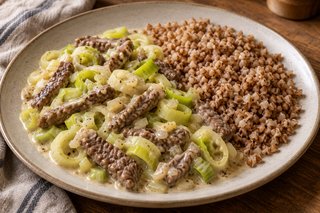
Beef strips with leek and buckwheat
Thin beef strips and tender leek in a mild mustard cream sauce, served with fluffy cooked buckwheat.
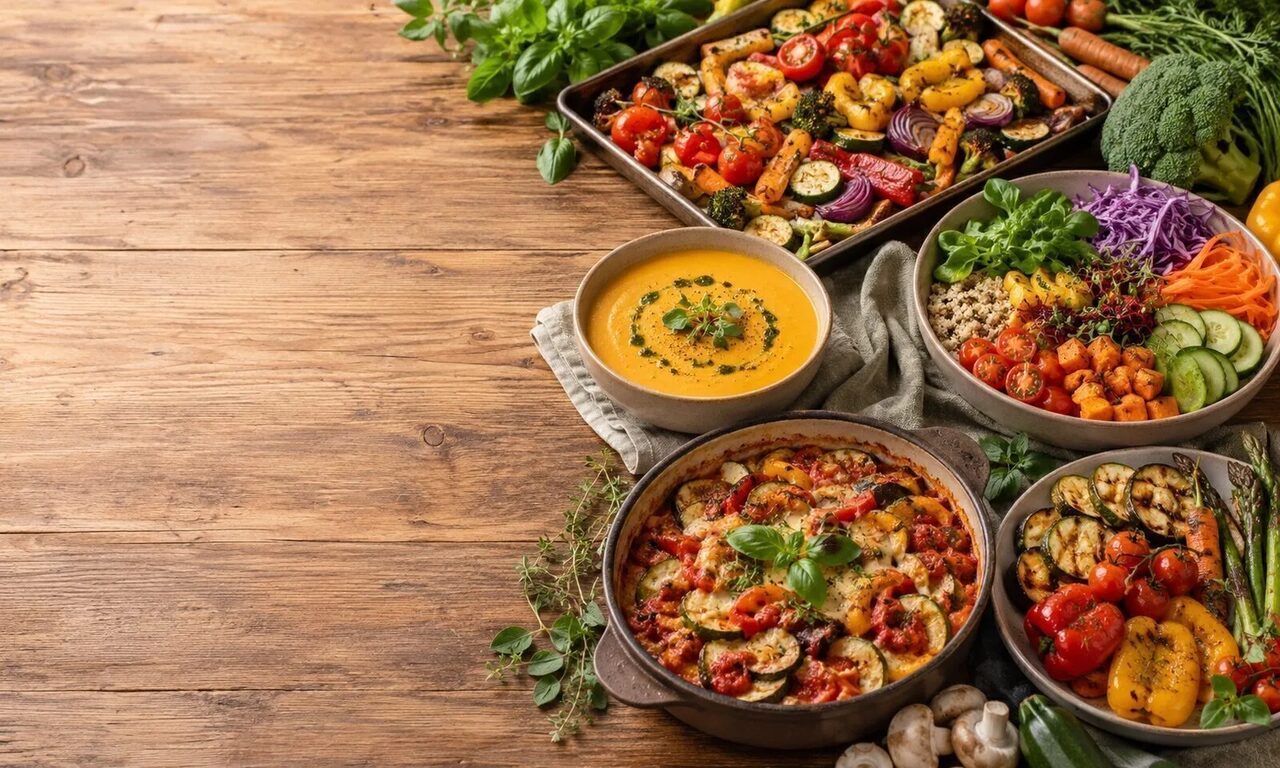
Give each vegetable the heat and cooking time it needs to retain flavour and texture. Browse colourful everyday dishes that make seasonal produce the main event rather than an afterthought.
Recipes
Thin beef strips and tender leek in a mild mustard cream sauce, served with fluffy cooked buckwheat.
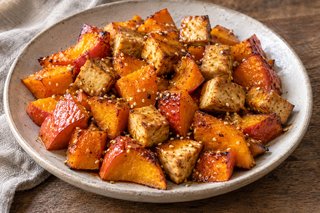
Tender Hokkaido pumpkin and golden tofu cubes with a thin soy and ginger coating and sesame toasted at the end.
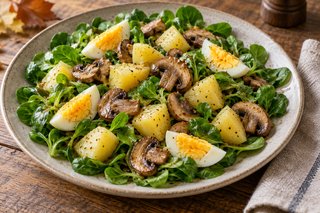
Fresh lamb’s lettuce with warm potato cubes, browned mushrooms and hard-boiled egg in mustard and cider vinegar dressing.
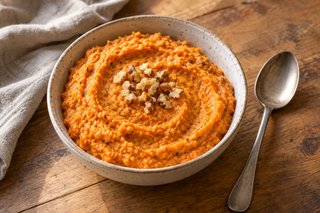
Softly roasted carrots and walnuts are blended with lemon and a little water into a savoury spread.
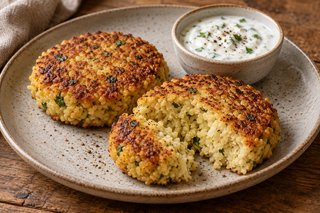
Golden patties made with cooked millet and finely grated parsnips, served with a fresh yogurt and lemon dip.
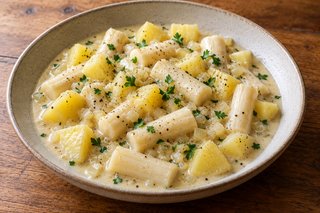
Tender salsify pieces and potato cubes in a mild cream sauce with mustard, lemon and parsley.
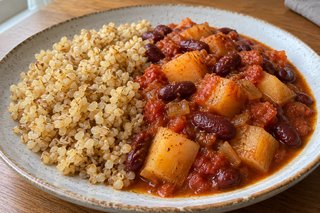
Tender rutabaga cubes and kidney beans in mild tomato sauce with paprika and cumin, served with bulgur.
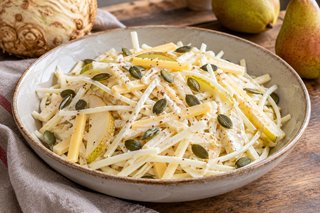
Fine raw celeriac sticks, pear and Gouda in yogurt mustard dressing, scattered with pumpkin seeds.
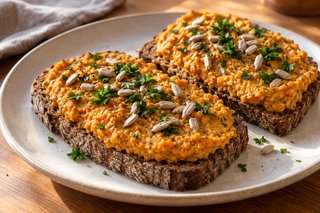
Rye bread with a thick spread of roasted Hokkaido pumpkin and ground sunflower seeds, topped with parsley and a little seed crunch.
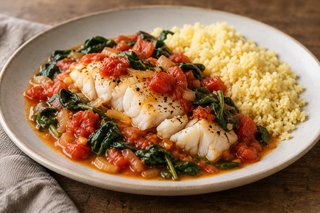
Cod gently cooks on spinach tomato ragout while couscous absorbs water separately.
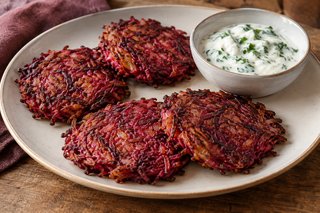
Fine shreds of raw beetroot and potato are fried into flat fritters and served with parsley yogurt.
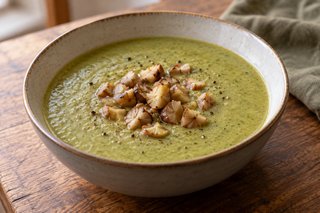
Broccoli and precooked chestnuts make a smooth vegan soup with few ingredients and a small chestnut topping.
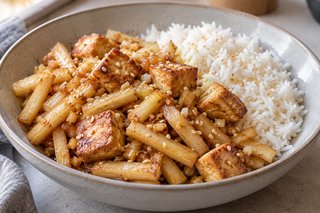
Golden plain tofu and thin celeriac batons in mild ginger-soy sauce, served with rice and sesame.
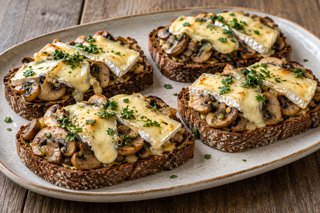
Hearty rye bread with sautéed mushrooms, mild mustard and soft melted Camembert makes a quick oven meal.
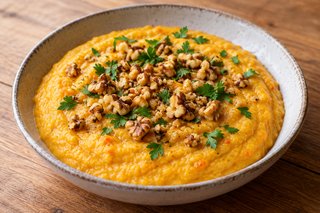
Creamy polenta with finely mashed Hokkaido pumpkin, melted Gouda and toasted walnuts makes a warming autumn meal.
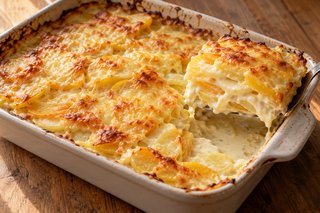
Thin rutabaga and potato slices in creamy mustard sauce with a golden Gouda crust make a vegetarian autumn gratin.
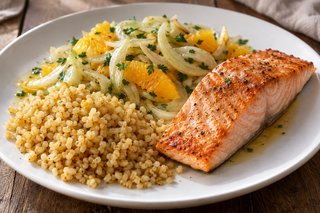
Pan-fried wild salmon with tender fennel, juicy orange and fluffy bulgur makes a complete fish dinner.
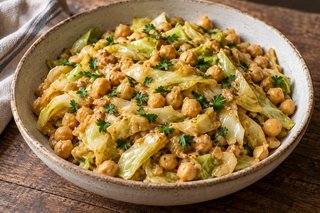
Tender pointed cabbage and chickpeas in creamy peanut sauce make an easy vegan autumn skillet.
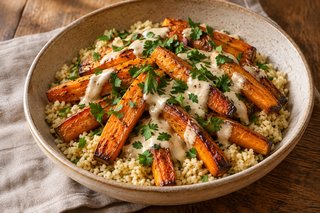
Roasted carrots on fluffy couscous with creamy lemon tahini sauce make a vegan bowl with warming spices.
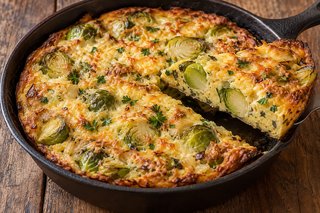
Parboiled Brussels sprouts meet a savoury egg mixture and golden cheese in this easy vegetarian oven dish.
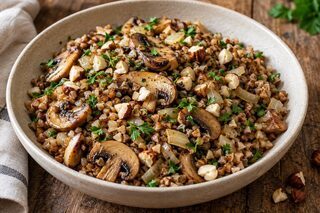
Nutty buckwheat, golden mushrooms and toasted hazelnuts make an easy vegan autumn meal.
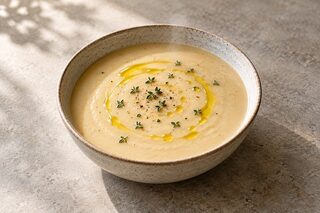
White beans make this parsnip soup creamy without cream. Thyme and a little lemon add a savoury note to the mild vegetables.
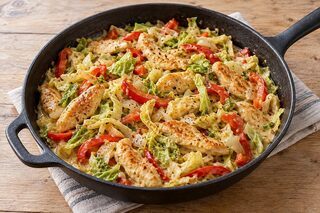
Turkey strips and tender savoy cabbage cook with red pepper in one pan. Sour cream rounds off the sauce at the end.
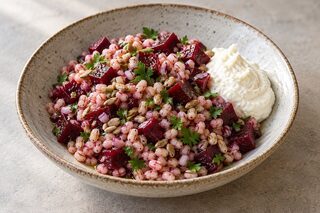
Tender barley, sweet beetroot and a tangy quark dip make an autumn lunch. Toasted sunflower seeds add crunch.
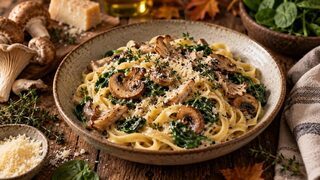
Deeply browned mushrooms combine with spinach, thyme and a light cream sauce in this quick autumn pasta.
Guide
Vegetables can be a side dish, sauce, filling or the center of a complete meal. In the pan, fast everyday dishes are created, in the oven strong roasted aromas and in the pot soups, curries and stews. Decisive are the appropriate cut size, the order of cooking and a seasoning that supports the own taste.
On this page you will find vegetable recipes for everyday life, family and guests. Use the recipe selection directly or combine vegetables with ideas from the categories Noodles, Rice, Potatoes and Legumes.
Solid root and cabbage vegetables usually need more time than delicate leaves, mushrooms or water-rich summer vegetables. Cut long cooking ingredients smaller and add sensitive varieties later on. Thus, colour, bite and aroma are preserved without individual pieces being hard or already decayed.
Vegetables from the high season bring variety and are often particularly aromatic. In spring, asparagus, spinach, radishes and kohlrabi fit. In summer, tomatoes, zucchini, peppers, cucumbers and beans characterise the cuisine. Autumn dishes use pumpkin, mushrooms, beetroot and cabbage, while in winter, leeks, cabbage, Brussels sprouts and root vegetables are in demand.
Harvest times vary according to region, variety and weather. Season calendar of the Federal Center for Nutrition offers a reliable orientation. Seasonal shopping also helps to change the menu automatically, instead of cooking the same combinations all year round.
Fresh vegetables should be solid, coloured and free from rotten or moldy areas. Welch leaves, soft pressure points and leaked juice show that the product must be processed soon. In the case of frying vegetables, fresh leaves and juicy cut surfaces provide additional information.
Frozen vegetables are a practical supply solution for peas, spinach, broccoli, beans or mixed vegetables. It is already cleaned and can often be directly frozen in soup, curry, casserole or pan. Note the package specification, especially for products that need to be completely heated. Canned with tomatoes, corn, peas or already gardened legumes also save preparation time.
Wash vegetables as far as possible under running water and then cut them. This means that less water reaches the cut areas. Remove withering leaves, hard strünks, seeds or damaged areas. Peeling is not always necessary; carrots, cucumbers or young kohlrabi often do well cleaning, depending on the quality.
The cut shape determines the cooking time. Small cubes cook quickly in pan and soup, even wedges roast in the oven, thin slices are suitable for gratin and raw vegetables. Prepare all ingredients before heating if a dish has short cooking times.
For a good vegetable pan it takes a large pan, sufficient heat and not too many ingredients at once. Dry washed vegetables, heat the pan first and then add little oil. Solid varieties such as carrots or broccoli start earlier, zucchini, mushrooms, spinach and fresh herbs come later.
Do not stir continuously to keep the surface in contact with the hot pan. In case of very solid vegetables, a small amount of water or broth helps after frying and short cooking with a lid. Finally, fry open again until excess liquid is evaporated.
In the oven, pumpkin, carrots, cauliflower, paprika, zucchini, eggplant and Brussels sprouts develop strong aromas. Cut the pieces similarly large, dry them and mix them evenly with oil and spices. Distribute everything in just one layer; steam accumulates on an overcrowded sheet and the vegetables remain soft.
Solid and delicate vegetables can come one after the other on the sheet. Carrots, pumpkin and cabbage start first, tomatoes, zucchini or delicate herbs later. Feta, nuts, seeds, lemon juice or yoghurt dip make the sheet a complete meal.
Both methods are suitable for broccoli, cauliflower, carrots, kohlrabi and delicate cabbages. When cooking in water, pieces should be the same size and cook only until the desired bite is reached.
Blanchieren means short cooking in boiling water, followed by quick cooling. This is helpful when preparing vegetables for salad, freezing or a later pan dish. However, not every vegetable can be cooked for a short time: Raw garden beans must not be eaten and must be cooked completely. Note the respective recipe or pack specification and the Notes of the Federal Institute for Risk Assessment.
For soup and stew, onions and spices are first sautéed, followed by solid vegetables, liquid and finally fast cooking ingredients. Potatoes, pumpkin or legumes give binding, while leafy vegetables and fresh herbs are added just before serving.
Vegetable cream soups do not necessarily need a lot of cream. Part of the gardened ingredients can be pureed while the rest retains piecemeal. Curries are served with broth, tomatoes or coconut milk for a full meal. Acidity from lemon or lime and fresh herbs come to an end.
Cucumber, tomato, paprika, carrot, kohlrabi, radishes, lettuce and many cabbages are good raw. Cut hard vegetables finely, rasple them or knead cabbage briefly with dressing so that the texture becomes more pleasant. Not every vegetable variety is suitable for raw consumption; check this with unknown ingredients and stick to product-specific instructions.
A filling salad needs a basis and contrasts in addition to vegetables. Potatoes, pasta, rice, couscous or bread give substance; cheese, egg, tofu, fish or legumes complement the dish. Mix dressing, leaf salads and crispy toppings just before serving.
Vegetables alone are often light as a main dish. Combine them with a protein component and a filling basis. Lentils, beans, chickpeas, tofu, eggs, cheese, yoghurt or nuts fit with potatoes, rice, pasta or cereals.
More meatless ideas can be found at Vegetarian dinner.
Pasta takes vegetables from tomatoes, peppers, pumpkins, mushrooms or zucchini well. Part of the vegetables can be pureed, the rest fried as a texture added. Rice fits with curry, wokge vegetables, stuffed peppers and bowls. Potatoes combine with cabbage, leek, spinach, mushrooms and root vegetables in soup, casserole and pan.
Plan the order of cooking time: Rice and potatoes start first, solid vegetables follow, delicate varieties last. This creates a common cooking point instead of a mixture of hard and boiled ingredients.
Salt, acidity, fat, herbs and spices should complement each other. Mediterranean vegetables harmonise with garlic, rosemary, thyme, basil and olive oil. For Asian-inspired pans, ginger, chilli, soy sauce, sesame and lime fit. Cumin, coriander, paprika and yoghurt accompany oven vegetables and legumes.
In the end, roasted aromas often need a fresh counterpol. Lemon juice, vinegar, yoghurt, herbs or a crisp topping bring excitement. Fresh herbs are usually only added after cooking, so that colour and aroma are preserved.
Meal Prep works particularly well with components. Roast a sheet of vegetables, cook a basis of rice or potatoes and prepare a dip separately. This results in bowl, salad, wrap, pasta or soup, without having to taste the same food.
Keep cooked and raw ingredients covered in the refrigerator. Dressings, herbs and crispy toppings remain separate. Cool hot food quickly and later heat only the required portion completely.
Many types of vegetables belong in the vegetable compartment of the refrigerator, but not all like the same conditions. Tomatoes often lose flavour there, potatoes need a cool, dark and dry place and onions should be stored airy. Leaf vegetables, herbs and cut pieces are kept cool and used quickly.
The BZfE provides art-related information for the purchase, storage and preparation of many vegetables. For freezing many varieties are blanched briefly, well cooled and packed dry portions. Tomatoes, zucchini and cucumbers change their texture after thawing and are then more suitable for sauce, soup or stew than for raw vegetables.
Small quantities of gardened vegetables fit in omelet, frittata, soup, curry, casserole, noodle sauce or bowl. Salad, raw vegetables, oven vegetables or vegetable broth are produced from raw residues. Welche herbs can be processed in pesto, herbal oil or sauce as long as they are perfect.
Plan dishes flexibly to look for pantry staples instead of a single recipe for each ingredient. With a suitable basis, a protein component and a sauce, a complete set of vegetables Dinner.
FAQ