50 min
European
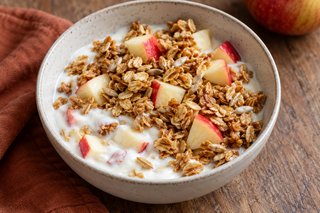
Oat and sunflower seed granola with apple yogurt
Golden toasted oats and sunflower seeds on plain yogurt with fresh apple cubes.

Plan the day one meal at a time. This collection brings together breakfasts for busy mornings, useful lunch ideas and dinners for both ordinary weekdays and slower weekends.
Topics

Sweet and savoury breakfast recipes for quick mornings, relaxed weekends, brunch and preparation the night before.

Lunch recipes for home, work and family, including soups, salads, bowls, quick skillets and make-ahead meals.

Dinner ideas organised by time, appetite and preparation, from light plates to comforting family meals.
Recipes
Golden toasted oats and sunflower seeds on plain yogurt with fresh apple cubes.
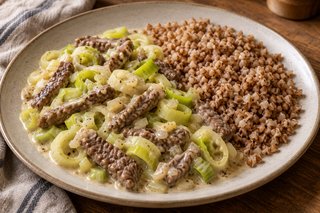
Thin beef strips and tender leek in a mild mustard cream sauce, served with fluffy cooked buckwheat.
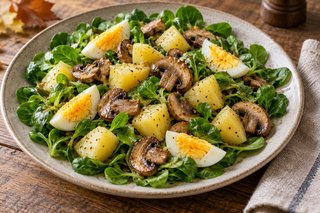
Fresh lamb’s lettuce with warm potato cubes, browned mushrooms and hard-boiled egg in mustard and cider vinegar dressing.
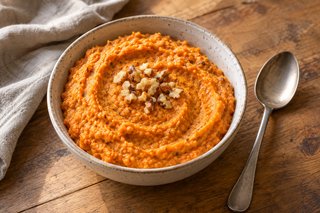
Softly roasted carrots and walnuts are blended with lemon and a little water into a savoury spread.
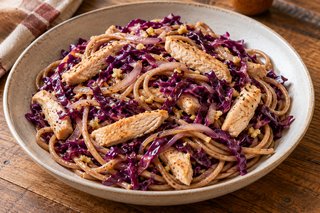
Tender turkey strips, finely sliced red cabbage and wholegrain spaghetti with ginger, garlic and soy sauce.
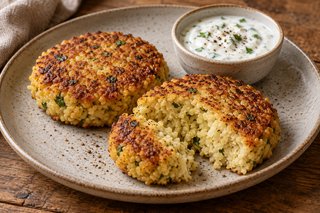
Golden patties made with cooked millet and finely grated parsnips, served with a fresh yogurt and lemon dip.
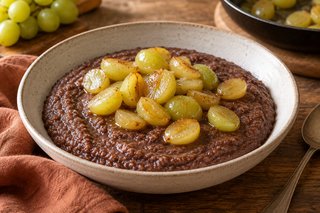
Creamy cornmeal with unsweetened cocoa and milk, served with pale grapes briefly warmed in butter.
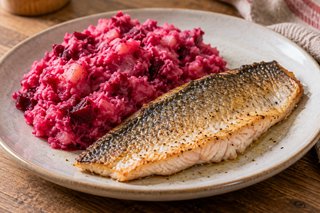
Pan-fried skin-on trout fillet with vivid pink potato mash made with precooked beetroot.

Golden puff pastry encloses tender leek, cooked ham and a mild quark egg filling with mustard.
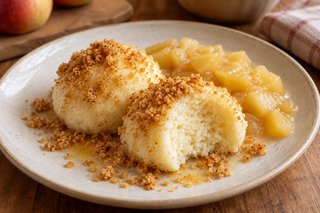
Unfilled quark semolina dumplings gently poach in water and are served with buttered breadcrumbs and warm apple compote.
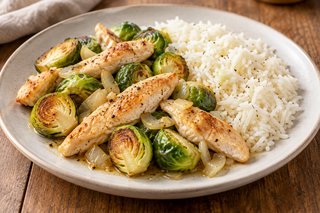
Browned chicken strips and gently steamed Brussels sprouts are served with fluffy lemon rice.
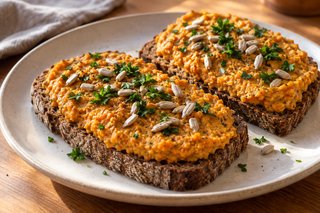
Rye bread with a thick spread of roasted Hokkaido pumpkin and ground sunflower seeds, topped with parsley and a little seed crunch.
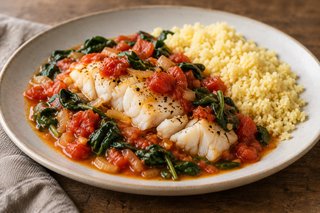
Cod gently cooks on spinach tomato ragout while couscous absorbs water separately.
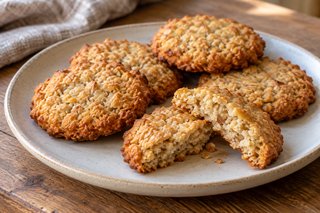
Soft oat cookies with finely grated pear and ground almonds, baked until golden in the oven.
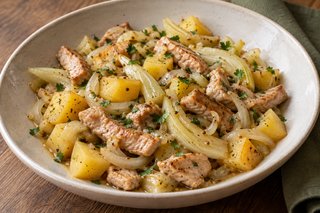
Lean pork strips, potato cubes and fennel cook in one skillet with a small amount of mustard cooking jus.
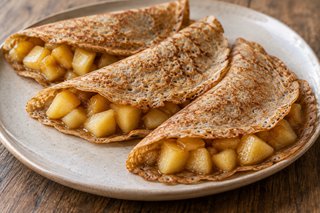
Thin buckwheat crêpes are filled with tender sautéed apple cubes for a warm autumn breakfast.
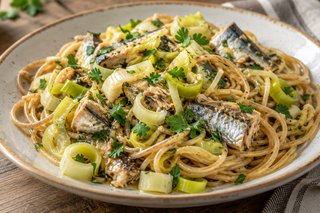
Tender leeks, sardines and lemon combine with whole-wheat spaghetti in a simple skillet fish meal.
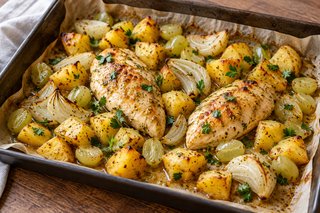
Small chicken fillets, mustard potatoes and juicy grapes cook in stages on a tray for a fruity autumn dinner.
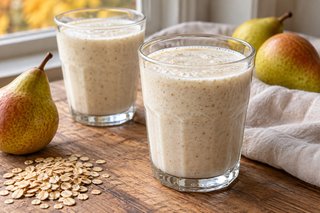
Ripe pear, chilled buttermilk, quark and fine oats blend into a creamy breakfast in a glass.
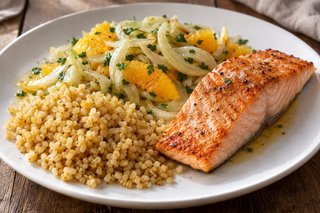
Pan-fried wild salmon with tender fennel, juicy orange and fluffy bulgur makes a complete fish dinner.
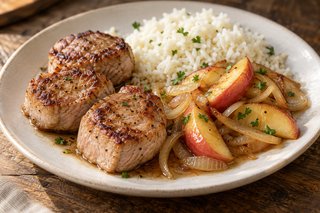
Browned pork medallions, tender apple wedges and onions in a light pan sauce, served with fluffy parboiled rice.
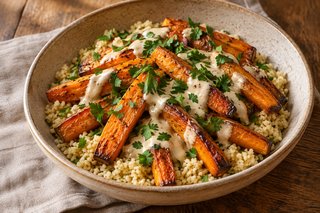
Roasted carrots on fluffy couscous with creamy lemon tahini sauce make a vegan bowl with warming spices.
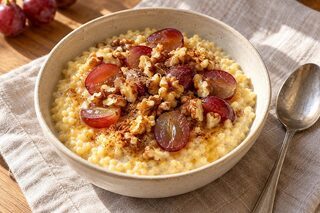
Creamy golden millet porridge with fresh red grapes, toasted walnuts and a hint of cinnamon for an autumn breakfast.
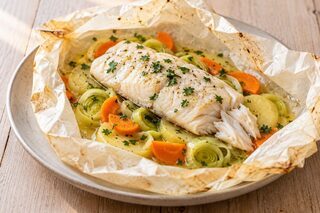
Juicy Alaska pollock cooks in parchment with leek, carrot and parboiled potatoes for a complete oven-baked dinner.
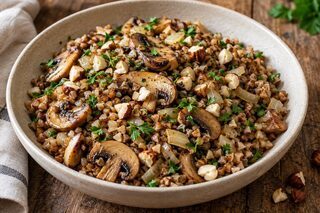
Nutty buckwheat, golden mushrooms and toasted hazelnuts make an easy vegan autumn meal.
Guide
What kind of meal today does not only depend on the time of day, but also on your daily routine, the available cooking time, existing ingredients and the question of whether you want to cook fresh, take something with you or use leftovers. Breakfast, Lunch and Dinner.
You don't have to reinvent every meal. A prepared basis such as rice, potatoes, oven vegetables or a sauce can be used differently on several days. This results in a variety of dishes from a few building blocks without the need to rigidize the weekly schedule.
In the morning, recipes are practical, either ready in a few minutes or ready the evening before. Yoghurt with fruit and nuts, porridge, sandwiches, egg dishes and overnight oats cover different preferences. Pancakes, quiche and pastries can get a little more time for the weekend or brunch.
Choose your breakfast after time and appetite: cold or warm, sweet or savoury, served immediately or to take away. Crispy toppings, fresh fruit and herbs are best added just before the meal, so that their consistency is maintained.
In the home office, a fast pan can come fresh on the table; for the office, bowls, salads, soups, wraps and prepared rice or pasta dishes are particularly practical. It is important that the dish is transported safely and can be eaten cold or warmed up well as possible.
Dressings, sauces and crispy ingredients remain separate until serving. If only a short break remains, dishes with a few steps help: While cooking rice or pasta, vegetables and sauce are prepared in parallel.
In the evening the selection ranges from light salad to cosy oven dish. After a long day there are fast dinner, pan dishes or One-pot dishes On quieter days, casseroles, curries or stews may cook longer, without the need for an active preparation.
For a light dinner, combine vegetables or salads with bread, potatoes, rice or legumes. For greater appetite, pasta, casseroles, stews and strong pan dishes are suitable. Dinner recipes.
A good weekly schedule is based first on the days, not on as many different recipes as possible. Mark dates where little cooking time remains, and plan more elaborate dishes for quieter days. Also, consciously leave room for leftovers or spontaneous changes.
A meal suitable for everyday use can be composed of a few building blocks. You do not need a solid formula and not every dish has to look the same. However, a basis, vegetables or fruits, a suitable protein source and something for taste and texture provide a helpful orientation.
With this kit lettuce, soup or bowl become a complete meal. At the same time, ingredients can be exchanged if something is missing or is to be consumed.
Meal Prep can mean pre-cooking a full dish. It is often more flexible to prepare only individual components: cooked rice, oven vegetables, soup, boiled eggs, spread or sauce can be combined differently later on.
Rice is suitable for vegetable pans or bowls, noodles for casseroles or pasta salads. Cooked vegetables fit in soup, curry, omelet or wrap. Rice can be used in a variety of dishes.
Start with the recipe search with what already exists. Recipes by ingredients you will find suitable ideas for pantry staples and prepared food.
For families, dishes that can be adjusted at the table are practical. Bowls, pasta, wraps, oven potatoes and mild curries can form a common basis; spicy cheese, herbs and sauces are added separately. Thus, a special main dish does not have to be created for every preference.
Preparable recipes that don't have to be ready for the minute help guests. Soups, curries, oven dishes, large salads and desserts in the glass take pressure from the process. Sensitive ingredients and crispy elements are only added shortly before serving.
Seasonal ingredients give variety to the weekly schedule. In spring, herbs, asparagus and young vegetables fit, in summer, salads, tomatoes, zucchini and grilled dishes. Autumn and winter bring pumpkin, mushrooms, cabbage, root vegetables, soups and casseroles to the table. Recipes for occasions and seasons you can narrow down the selection further.
FAQ