2 hr 5 min
Korean
Hotteok
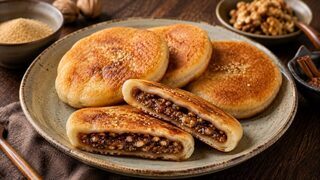
Hotteok are Korean yeast dough flakes with a melting filling of brown sugar, cinnamon and nuts, which are pressed golden brown in the pan.
Recipes
Hotteok are Korean yeast dough flakes with a melting filling of brown sugar, cinnamon and nuts, which are pressed golden brown in the pan.
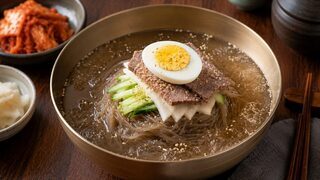
Mul Naengmyeon serves elastic buckwheat noodles in ice-cold beef-dongghimi broth with cucumber, Korean pear, radish and boiled egg.
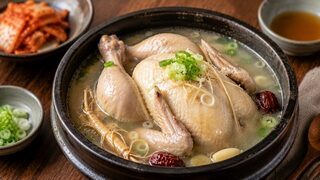
Samgyetang is a clear Korean soup of young whole chickens filled with klebreis, fresh ginseng, garlic, jujuben and marons.
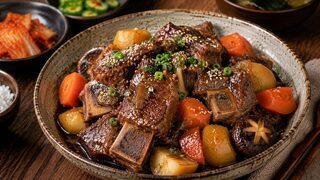
Galbi-jjim stews beef ribs with Korean radish, carrots, shiitake and marons in a shiny sauce of soy sauce, pear, garlic and sesame.
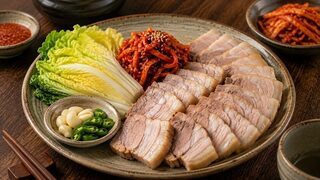
Bossam serves gently gardened, juicy pork belly in salad and cabbage leaves with kimchi, garlic, chilli and strong Szamjang.
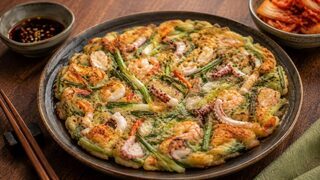
Haemul Pajeon is a hearty Korean pancake with long spring onions, shrimp and squid, crispy outside and juicy inside.
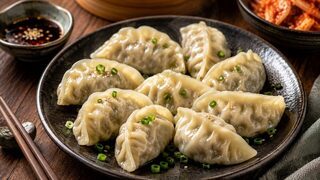
Korean mandus are filled with pork, tofu, cabbage, mungbean sprouts, glass noodles and cut garlic and gently dampened.
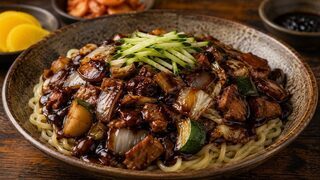
Jjajangmyeon are Korean-Chinese wheat noodles with shiny black chunjang sauce, pork, lots of onion, cabbage, zucchini and potato.
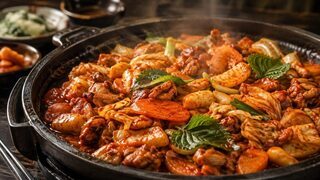
Chuncheon Dakgalbi roasts marinated chicken leg meat with cabbage, sweet potato, rice cake and perilla leaves in a spicy Gochujang sauce.
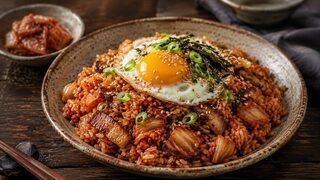
Kimchi Bokkeumbap combines cold rice with well-ripened kimchi, pork belly and kimchi juice to strong Korean fried rice with fried egg.
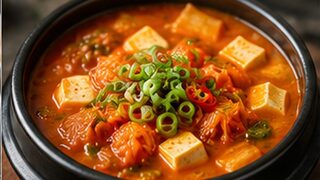
Sundubu Jjigae is a spicy-warming Korean stew with silk tofu, gochugaru, broth, garlic, spring onions and egg. Pig, seafood or mushrooms give extra depth.
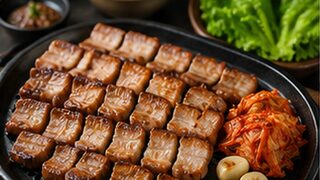
Samgyeopsal is Korean grill with pork belly, lettuce leaves, garlic, chilli, ssamjang and sesame oil salt dip. Eat in small wraps directly from the table.
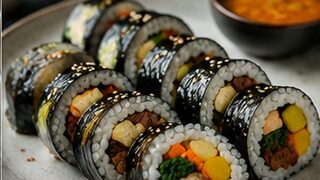
Gimbap is a Korean rice roll with gim algae leaf, sesame rice, vegetables, egg, danmuji and, if desired, beef or fish cake. The fillings are prepared dry and neatly.
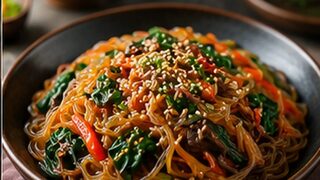
Japchae is a Korean glass noodle dish with sweet potato starch noodles, vegetables, mushrooms, sesame oil and soy sauce. The ingredients are cooked separately and mixed only at the end.
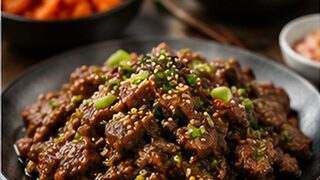
Bulgogi is thinly cut beef in a sweet and salty marinade of soy sauce, pear, garlic, sesame oil and spring onions. Short and hot fried it remains tender.
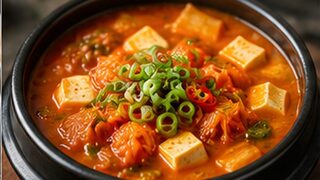
Kimchi Jjigae is a Korean stew with well matured kimchi, broth, pork belly or tofu, gochugaru, garlic and soft tofu. Mature kimchi makes the taste deep and sour.
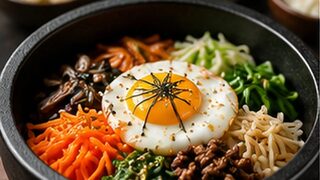
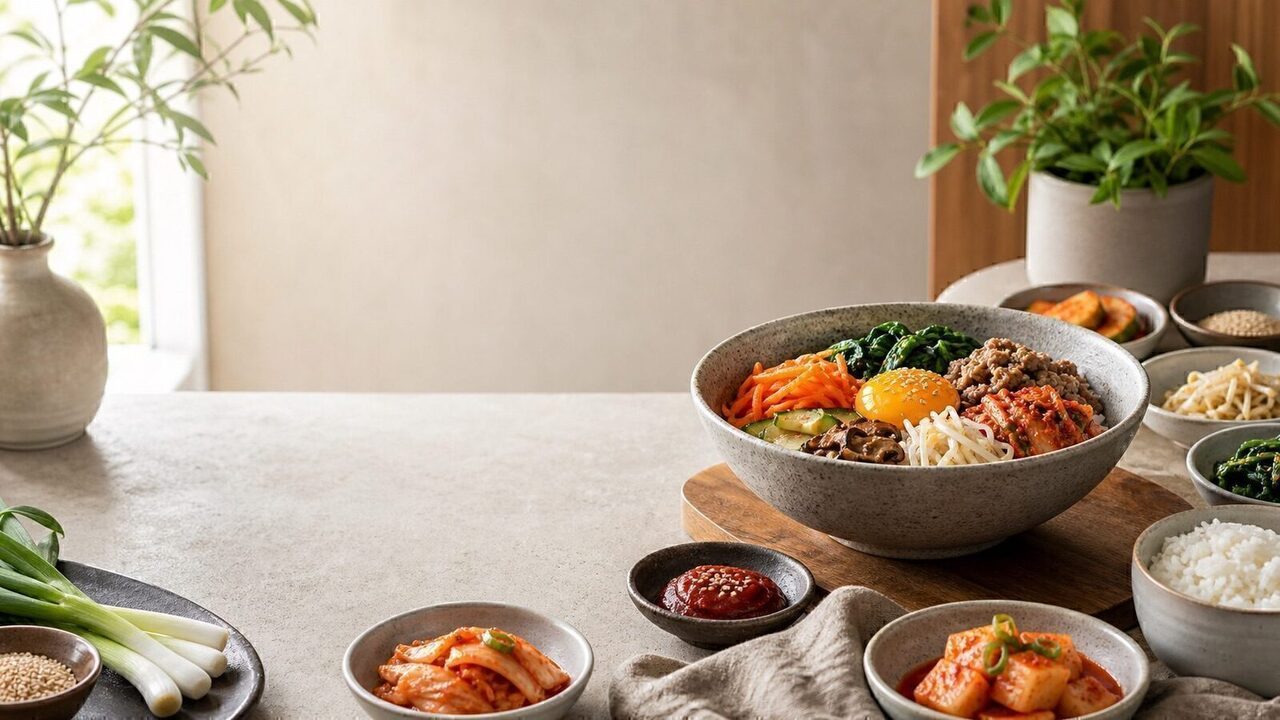
Bibimbap is a Korean rice shell with warm rice, individually cooked vegetables, egg, sesame oil and Gochujang sauce. The ingredients are first mixed at the table so that textures and aromas remain clear.
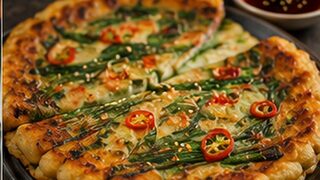
Kimchi pancakes are hearty Korean pancakes with kimchi, kimchi juice, flour, starch and spring onions. In plenty of oil the edges become particularly crispy.
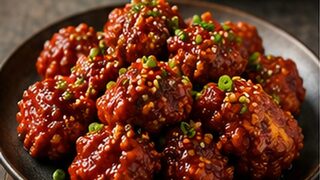
Korean Fried Chicken is particularly crispy fried with starch and then coated with a shiny Gochujang sauce. Double frying makes the crust stable.
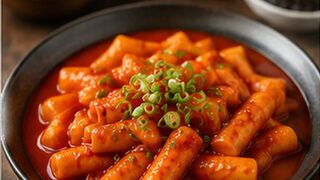
Tteokbokki is Korean street food with soft rice cake in a sweet-sharp Gochujang sauce. Fish cake, spring onions and boiled eggs make the pan filling.
Guide
Korean cuisine combines rice, vegetables, sesame, chilli, kimchi, marinated ingredients and often several small components. The interaction is more important than a single dominant sauce.
With bibimbap, bulgogi, japchae or kimchi dishes, it is worth preparing toppings separately. Thus, vegetables, rice, meat or tofu remain clearly recognisable and the heat can be better controlled.
So Korean recipes remain intense, but lively and fresh.
Gochujang is a fermented chilli paste with heat, sweetness and umami. It is often combined with soy sauce, sesame oil, garlic, rice vinegar or sugar to marinades and sauces. Pure in large quantities it can dominate a dish quickly.
Kimchi brings acidity, heat and fermentation. Fresh Kimchi tastes crisper, more mature is especially suitable for stews, fried Rice or pancakes. Vegetables, egg, meat or tofu complement the plate and make heat more controllable.
This creates the contrast typical of many Korean dishes from warm, cool, soft, crisp and spicy.
FAQ