1 hr 2 min
Chinese inspired
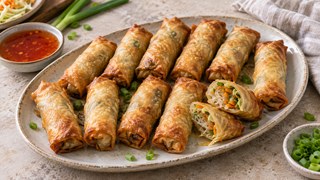
Air Fryer Spring Rolls
Homemade spring rolls are crispy in the air fryer with a dry vegetable-glass noodle filling and little oil all around.
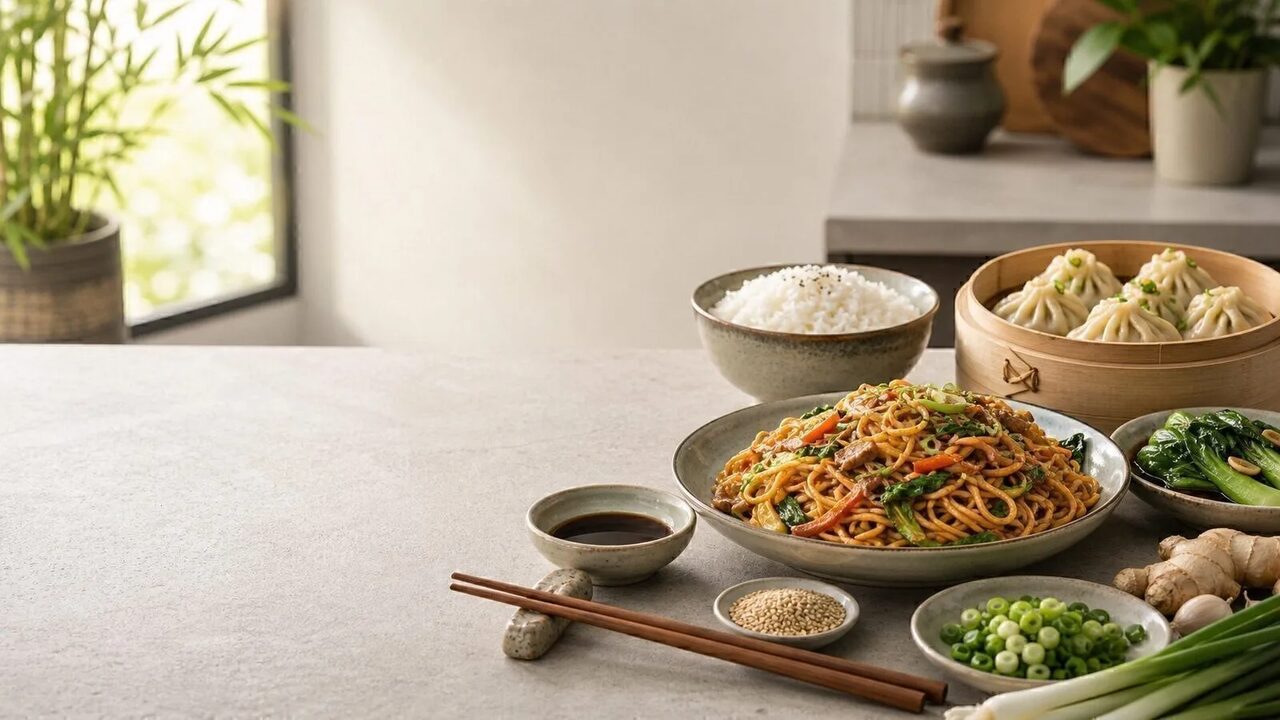
Prepare the ingredients first, then use a hot wok, balanced sauces and short cooking times to build flavour. This collection includes popular noodle and rice dishes alongside dumplings, soups and regional favourites.
Recipes
Homemade spring rolls are crispy in the air fryer with a dry vegetable-glass noodle filling and little oil all around.
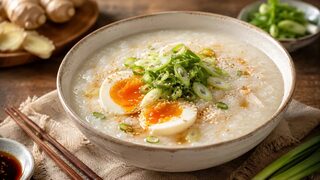
Congee with ginger is a Chinese rice porridge, where rice is cooked with plenty of water or broth for a long time until it crumbles creamy.
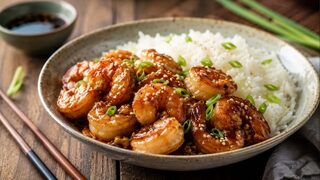
Sesame yarns are quickly fried and are swirled in a shiny sauce of soy sauce, honey, garlic, ginger and sesame oil.
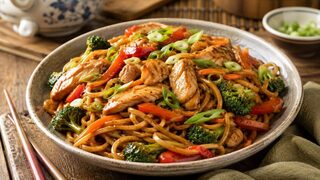
Lo Mein with chicken are softly swirled egg noodles with chicken, broccoli, carrots and a sauce of soy sauce, oyster sauce and sesame oil.
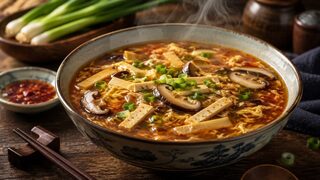
Sauer-sharp soup is cooked with broth, tofu, mushrooms, bamboo sprouts, egg, white pepper and chinkiang vinegar. Acid and heat only reach balance at the end.
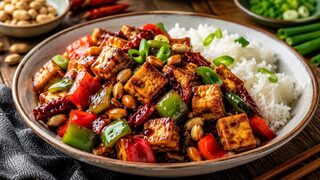
Gong Bao Tofu is the vegetarian variant of Kung Pao: crispy fried tofu, chilli, Sichuan pepper, peanuts and a spicy sour sauce.
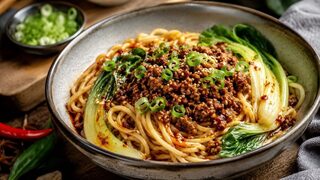
Dan Dan Noodles are Sichuan noodles with sesame paste, chilli oil, Sichuan pepper, spicy fried pork chop and some pasta water.
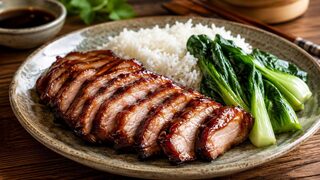
Char Siu Schweinefilet is an everyday oven variant of the Chinese BBQ pig with hoisin, honey, soy sauce, five-wort powder and glaze.
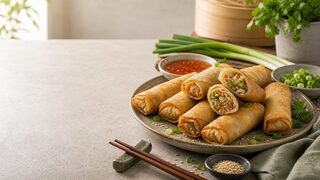
Spring rolls with vegetables need a dry, short-fried filling of cabbage, carrots, mushrooms and glass noodles. This is the only way to make the shell crunchy.
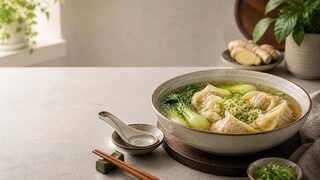
Wantan soup consists of filled dough bags in clear broth with ginger, spring onions, Pak Choi and sesame oil. The Wantans are gently cooked.
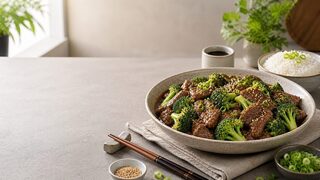
Beef with broccoli is fried with thinly cut, briefly marinated beef and blanched broccoli in a dark oyster soy sauce.
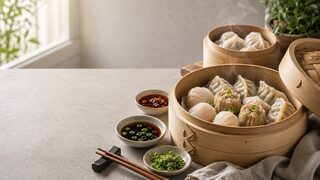
Dim Sum Dumplings succeed with juicy filling of pork chops or shrimps, cabbage, ginger, spring onions and finished dumpling dough leaves.
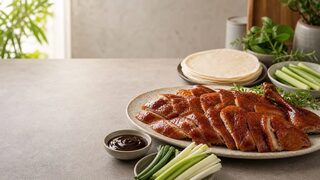
Peking duck for home needs a well dried skin, a glaze with honey or maltose and hot oven air. It is served with pancakes, cucumber, leek and hoisin sauce.
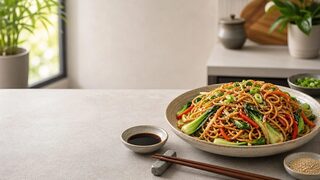
Chow Mein with vegetables are fried egg noodles with crisp vegetables and a short sauce of soy sauce, oyster sauce or vegetarian alternative and sesame oil.
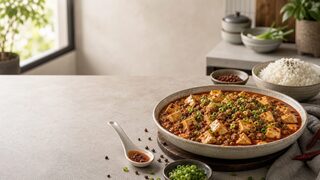
Mapo Tofu is cooked with soft tofu, doubanjiang, fermented black beans, minced meat, chilli oil and Sichuan pepper. The sauce should taste spicy and slightly numbing.
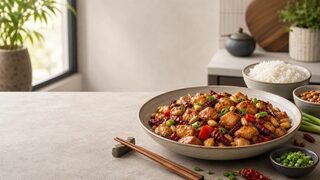
Kung Pao Chicken is a Sichuan-wok dish with marinated chicken, dried chilli, Sichuan pepper, peanuts and a sweet-salty-sour sauce.
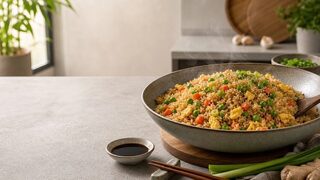
Fried rice succeeds with cold rice from the day before, egg, vegetables, soy sauce and high pan heat. The rice should fry, not steam in the wok.
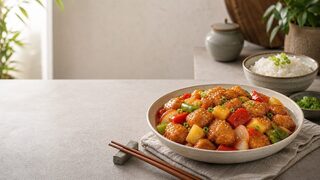
Sweet and sour chicken is prepared with crispy fried chicken, paprika, pineapple and a sauce of vinegar, sugar, ketchup, soy sauce and starch.
Guide
Many Chinese dishes cook in a wok or in a large pan in a few minutes. For everything to be relaxed, vegetables, meat, tofu, pasta, rice and sauce should be prepared before the pan becomes hot.
As soon as the wok is at temperature, it is fast: ingredients are roasted in proportion so that they roast and do not lose too much fluid. Thus, vegetables remain crisp, meat juicy and rice or pasta get the typical, slightly roasted taste.
Here you will find varied Chinese recipe ideas for every taste:
With some basic ingredients, many Chinese recipes can simply be cooked at home. You don't have to buy everything at once: even with a few well-combined ingredients, aromatic wok dishes, soups and pasta dishes are produced.
Especially commonly used are:
Cut vegetables, meat and tofu before heating the pan. Stir the sauce in advance and place all ingredients at hand. When roasting, there is no time left to cut, search or measure.
If the pan is too full, the temperature drops quickly and the ingredients stew instead of roasting. Especially with meat, mushrooms and vegetables, this makes a big difference.
For fried rice, cooled rice is particularly good. It is drier, sticks less and can fry better in the wok. Freshly cooked rice, on the other hand, quickly becomes soft or muddy.
Place the prepared sauce in the frying pan just before the end of the cooking period. So the vegetables remain crisp and the sauce can settle evenly around all the ingredients without boiling for too long.
A good Chinese sauce lives from balance. Soy sauce brings salt and depth, vinegar freshness, sugar or honey a light sweetness and chilli spicy. Taste rather gradually instead of using too much soy sauce too early.
For a quick dinner especially fried noodles, rice dishes or wokge vegetables with tofu, chicken or beef are suitable. Many ingredients can be exchanged: for example, use broccoli instead of Pak Choi, paprika instead of carrots or tofu instead of meat.
Also leftovers from the fridge can be a good basis. Remaining rice, vegetables, eggs and some soy sauce quickly become a simple, satisfying dish in the wok.
Dumplings, spring rolls, sweet and sour chicken or a large bowl of fried noodles are ideal for guests. A Chinese-inspired evening will be particularly beautiful when several dishes are placed in the middle of the table.
For example, combine dumplings as an appetizer with a soup, a wok dish and rice or noodles. Thus, everyone can taste different flavours and put together their own plate.
FAQ