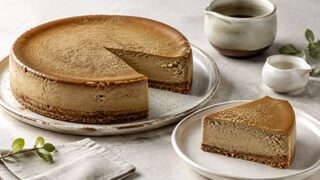
7 hr 10 min
Japanese-inspired
Hojicha Cheesecake
Hojicha cheesecake combines a crisp biscuit base with a creamy filling and the nutty, toasted flavour of Japanese green tea. Gentle mixing and slow cooling help keep the top smooth.
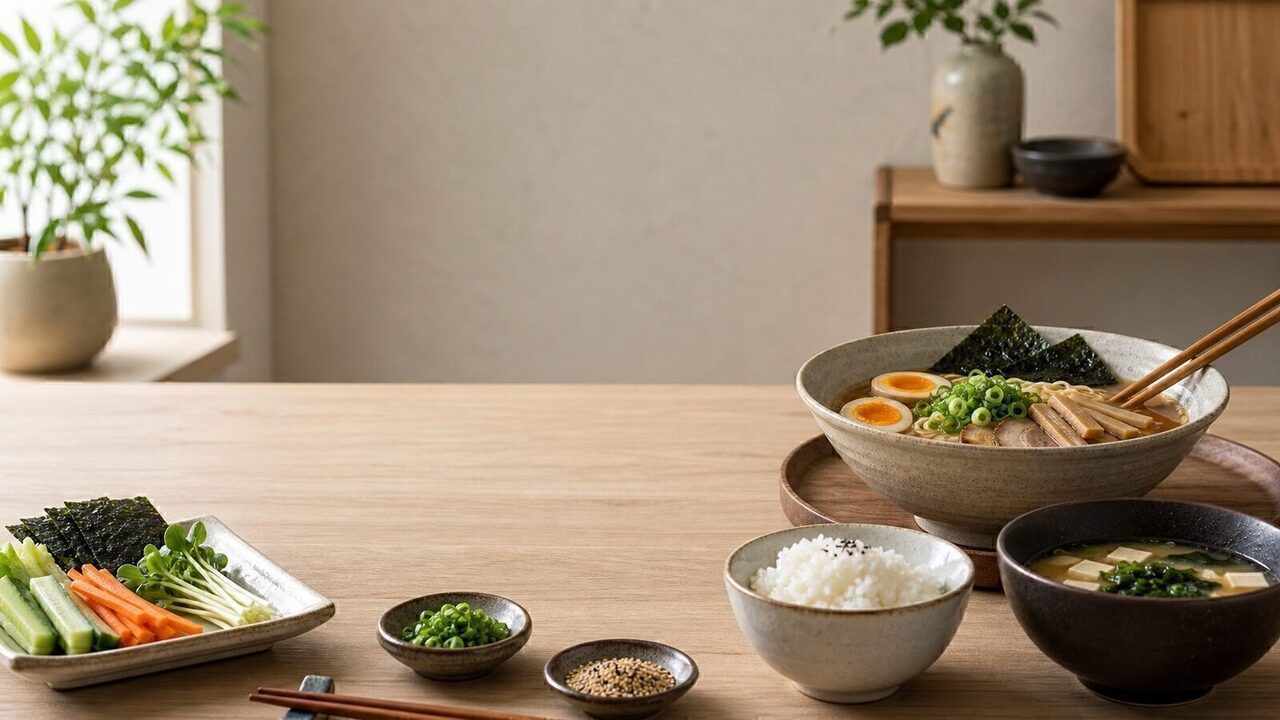
Japanese food balances clean flavours, careful knife work and contrasting textures. These recipes explain the broths, seasonings and preparation methods behind both familiar favourites and useful everyday dishes.
Recipes
Hojicha cheesecake combines a crisp biscuit base with a creamy filling and the nutty, toasted flavour of Japanese green tea. Gentle mixing and slow cooling help keep the top smooth.
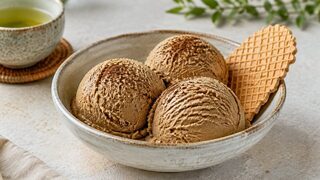
This no-churn hojicha ice cream combines whipped cream, sweetened condensed milk and roasted Japanese green tea. A concentrated tea paste distributes the flavour evenly without watering down the mixture.
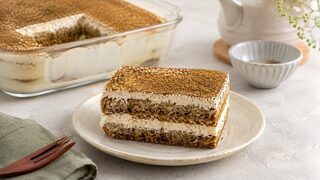
This hojicha tiramisu replaces coffee and cocoa with roasted Japanese green tea. Briefly dipped ladyfingers and an airy mascarpone cream set into clean, aromatic layers after six hours in the refrigerator.
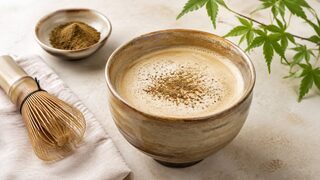
This hojicha latte pairs roasted Japanese green tea with warm, finely frothed milk. Sifting the powder and mixing it first with 80 °C water produces a smooth drink with nutty, gently caramelised notes.
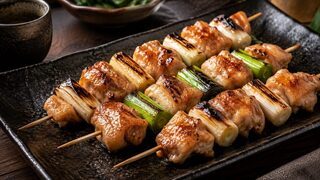
Yakitori Negima are Japanese chicken skewers with leeks, which are grilled over strong heat and at the end several times coated with shiny tare.

Omurice wraps spicy Ketchu price with chicken, onions, mushrooms and peas in a thin, delicate omelet and belongs to the Japanese Yoshoku kitchen.
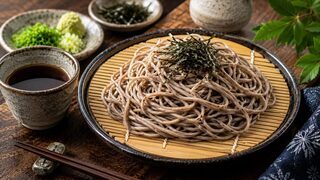
Zaru Soba are cold buckwheat noodles that are thoroughly rinsed and served with concentrated Tsuyu dip sauce, spring onions, Wasabi and Nori.
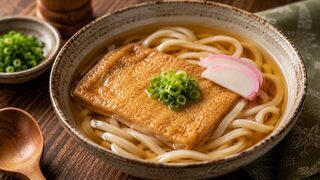
Kitsune Udon combines thick, elastic udon noodles with clear Dashi broths and sweet-spicy stewed Aburaage tofu bags.
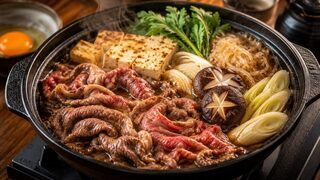
Sukiyaki is a Japanese hot pot dish with thin beef, tofu, shirataki, mushrooms, Chinese cabbage and leek in sweet-spicy warishita sauce.
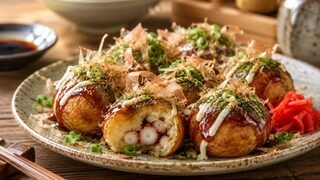
Takoyaki are outside browned, inside creamy-soft dough balls from Osaka with cooked octopus, spring onions, Beni Shoga and crispy Tenkasu.
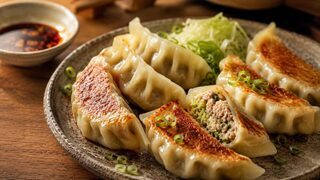
Japanese gyoza are filled with pork, finely sliced cabbage, Nira, ginger and garlic, fried below and then steamed under a lid.
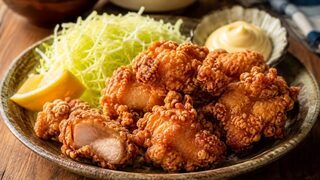
Japanese caraage is made from juicy chicken leg meat, marinated briefly with soy sauce, sake, ginger and garlic and fried in potato starch.
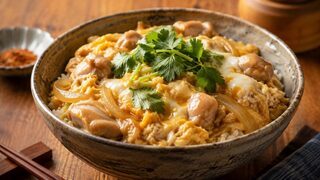
Oyakodon combines juicy chicken legs, soft onions and only loosely set egg in a spicy Dashi sauce on hot Japanese rice.
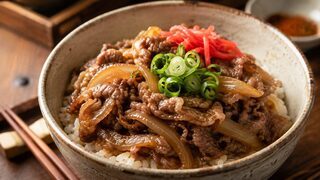
Gyudon is a Japanese rice dish with thin beef and onions, which cook briefly in a sweet-spicy sauce of Dashi, soy sauce and Mirin.
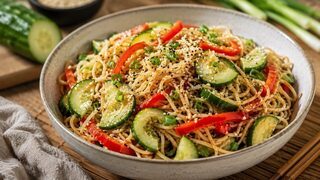
Cool soba noodles, cucumber and carrot meet a creamy sesame dressing with soy sauce and rice vinegar. The salad tastes fresh, nutty and slightly spicy.
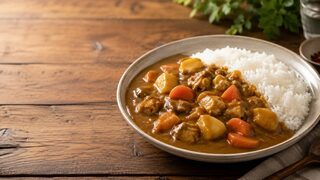
Japanese curry rice is a mild-spicy curry with meat or tofu, potatoes, carrots, onions and a sour curry roux sauce.
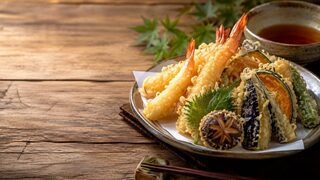
Tempura is vegetables or shrimps in a very cold, light dough, which is baked briefly in hot oil. The dough is stirred only roughly so that it remains airy.
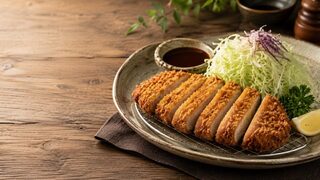
Tonkatsu is a Japanese pork cutlet with panco-panade. It is fried golden brown, briefly left to rest and served with tonkatsu sauce and finely cut cabbage.
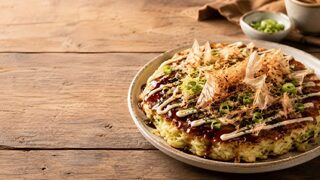
Okonomiyaki is a hearty Japanese cabbage pancake with egg, flour, dashi, cabbage and toppings such as Okonomiyaki sauce, Japanese mayonnaise, aonori and bonito flakes.
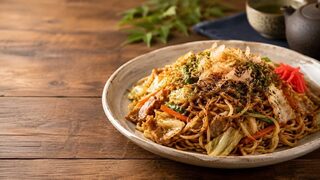
Yakisoba is a Japanese pan noodle dish with fried noodles, cabbage, carrots, onions, meat or tofu and a spicy sweet Yakisoba sauce.
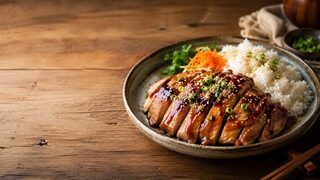
Teriyaki chicken is fried briefly and glazed in a shiny sauce made of soy sauce, Mirin, sake and sugar. Chicken-cooked meat remains particularly juicy.
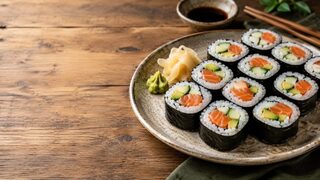
Sushi rolls succeed with properly seasoned sushi rice, Nori leaves and cleanly prepared fillings. The rice is seasoned with rice vinegar, sugar and salt, not with soy sauce.
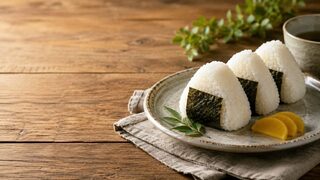
Onigiri are Japanese rice balls made of short sticky rice, salt and fillings such as salmon, tuna mayo, umeboshi or sesame. Nori comes just before the meal.
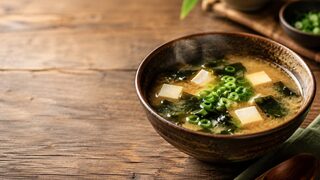
Miso soup consists of Dashi, Miso paste, Tofu, Wakame and spring onions. Miso is not boiled bubbling, but in the end is dissolved in hot broth.
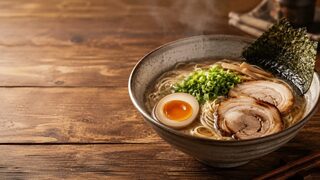
Ramen is a Japanese noodle soup with strong broth, tara, ramen noodles and toppings such as egg, spring onions, mushrooms, nori and chicken or tofu.
Guide
Japanese dishes often rely on rice, broth, miso, soy sauce, mirin, sesame, noodles and clean textures. The taste should be present, but not heavy or overwrought.
Whether ramen, curry rice, teriyaki or onigiri: preparation and temperature are important. Rice needs rest, broths should stay clear and crispy ingredients are served immediately.
So Japanese recipes look balanced and precise, without becoming complicated.
For sushi, onigiri and many bowls Japanese round grain rice is suitable because it holds together after cooking. Jasmine or basmati rice remain looser and change the texture. Rice should be thoroughly washed, cooked according to the package and rest briefly before opening the lid.
Miso, soy sauce, Dashi and Mirin deliver umami, salt and sweetness. If several of them are combined, a careful seasoning is worthwhile. Brew or sauce should carry the main ingredients, not cover them. Recipes with rice and Pasta recipes.
This clear separation keeps broths clean, rice in shape and crispy ingredients really crispy.
FAQ