40 min
European
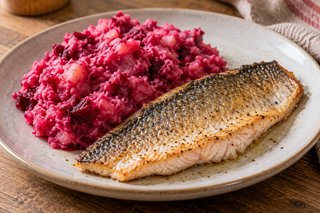
Trout fillet with beetroot potato mash
Pan-fried skin-on trout fillet with vivid pink potato mash made with precooked beetroot.
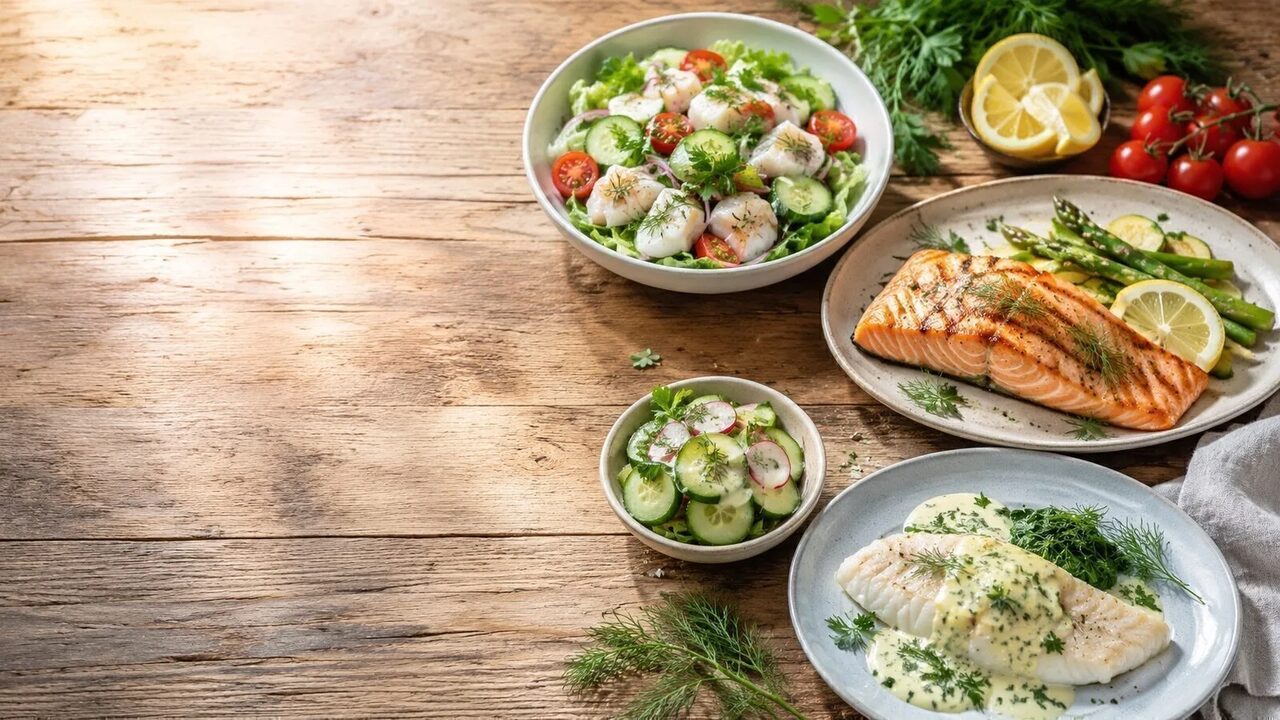
Fish cooks quickly, so timing and temperature matter. These recipes explain how to keep fillets juicy, season them without overpowering their flavour and choose side dishes that fit.
Recipes
Pan-fried skin-on trout fillet with vivid pink potato mash made with precooked beetroot.
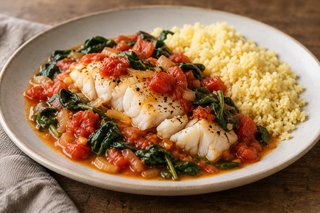
Cod gently cooks on spinach tomato ragout while couscous absorbs water separately.
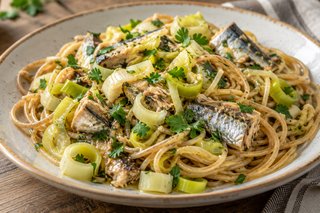
Tender leeks, sardines and lemon combine with whole-wheat spaghetti in a simple skillet fish meal.
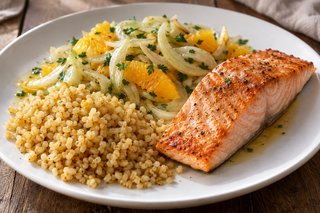
Pan-fried wild salmon with tender fennel, juicy orange and fluffy bulgur makes a complete fish dinner.
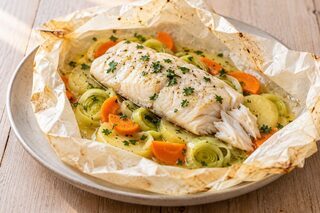
Juicy Alaska pollock cooks in parchment with leek, carrot and parboiled potatoes for a complete oven-baked dinner.
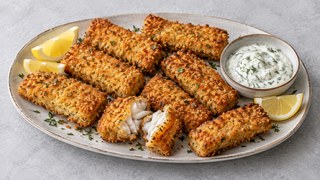
Homemade fish sticks made of cod are crispy in the air fryer with panko outside, while the thick fish strips remain juicy.
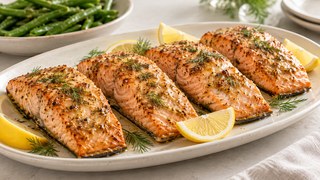
Salmon fillet with lemon-mustard glaze cooks in the air fryer in a few minutes; the skin stays down and the inside becomes juicy with timely control.
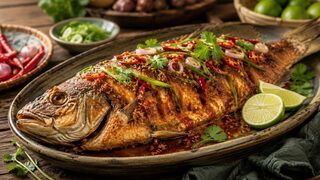
Pla Rad Prik is a crispy fried whole fish with a shiny Thai sauce of chilli, garlic, tamarind, fish sauce and palm sugar.

Tod Mun Pla are Thai fish chicks with red curry paste, long beans, mackerel limette leaves and basil, served with cucumber chilli dip.
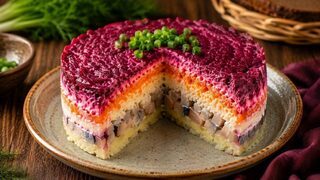
Herring in the fur coat coats salty matjes with onions, potatoes, carrots, egg, red beet and thin mayonnaise layers to form a Russian feast salad.
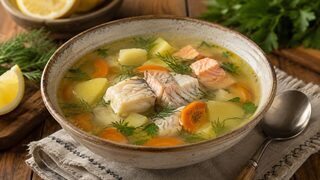
Ukha is a clear Russian fish soup with strong fish fond, potatoes, little root vegetables, several fish varieties, pepper and fresh herbs.
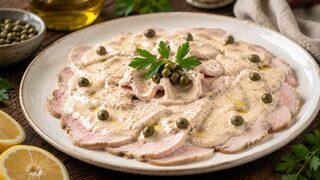
Vitello Tonnato combines finely cut veal with a creamy sauce of tuna, anchovies, capers, egg and lemon juice.
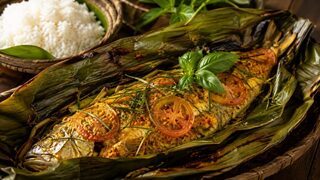
For Pepes Ikan, mackerel is steamed with an aromatic paste of shallots, chilli, turmeric, ginger and kemirine nuts in the banana leaf and grilled briefly.
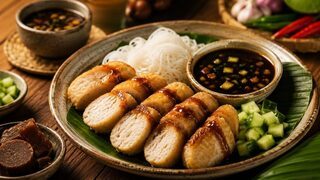
Pempek are springy fish chicks from Palembang, which are formed with tapioca starch, poached, golden brown fried and served with sweet-acid cuco sauce.
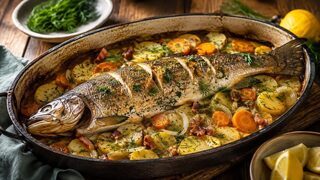
The Mecklenburg fish pan cooks a whole fish on layers of potatoes, carrots, onions and bacon with horseradish, dill and parsley.
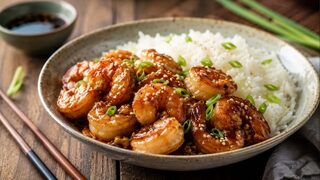
Sesame yarns are quickly fried and are swirled in a shiny sauce of soy sauce, honey, garlic, ginger and sesame oil.
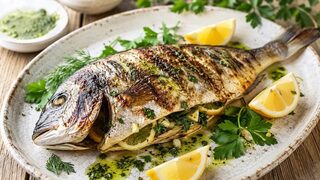
Excluded dorades are seasoned inside and outside, filled with lemon, parsley, dill and garlic and cooked on the grill from both sides. Oil the skin, heat the grill grate cleanly and turn the fish only when it dissolves easily; the meat must be lifted from the bone at the back.
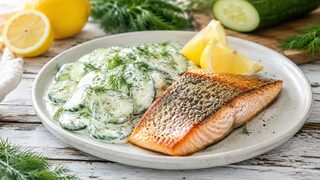
Trout fillets are fryed crispy on the skin side and served with a cool cucumber salad made of yoghurt, dill and lemon. squeeze dry cucumber and salt late; turn trout only once and take it out of the pan as soon as it is cooked.
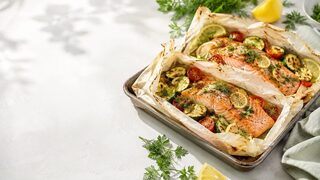
Salmon, zucchini, cherry tomatoes, lemon and herbs are gently cooked with olive oil in tightly closed grill packets. Place the packets not directly above the strongest gluten and after a short time check whether the salmon is still juicy inside.
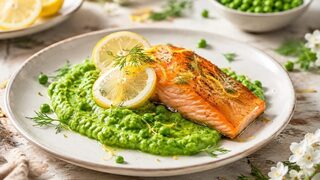
Salmon fillets are juicyly cooked in the oven with lemon, dill and olive oil; in addition, short-cooked peas are finely pureed with broth, cream and butter. Cook the peas only briefly and remove the salmon from the oven as soon as the core is still slightly translucent.
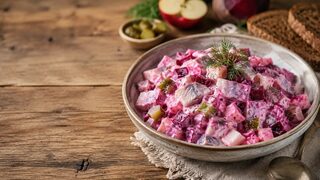
Cut the matjes, beetroot, apple, cucumber and onion. Mix yoghurt, mayonnaise, cucumber water, pepper and dill.
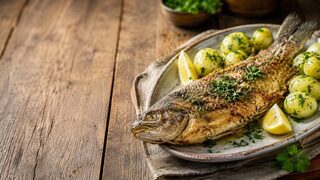
Dip trout dry inside and outside, salt, pepper and sprinkle with lemon. Turn trout thinly into flour and knock off excess flour.
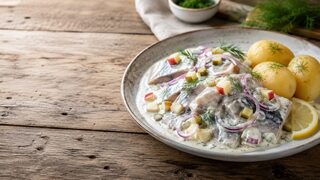
Mix yoghurt, sour cream, cucumber water, mustard, dill and pepper. Cut apple, onion and cucumber finely.
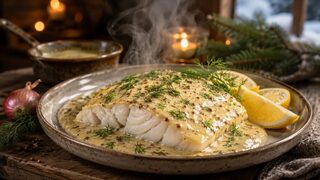
Fish fillets are fried briefly in butter and then finished in a mild sauce of shallot, mustard, cream, lemon and dill. Turn fish only once and do not cook the sauce strongly so that fillet and cream remain smooth.
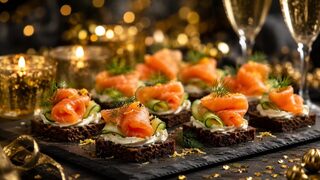
Pumpernickel is coated with horseradish fresh cheese and covered with cucumber, smoked salmon, dill and lemon. Dice cucumber dry and place the appetizers just before serving so that the bread remains firm.
Guide
Fish can be prepared quickly and fits in the light everyday kitchen as well as on a festive menu. Fillets succeed in frying pan and oven, whole fish can be baked aromatically or grilled and solid pieces enrich soup, curry or casserole. Because fish is more sensitive than many meat types, the result is mainly determined by temperature, cooking time and a gentle treatment.
On this page you will find fish recipes with different varieties and preparation types. Choose a suitable recipe from the collection or combine the fish with ideas from the categories Potatoes, Rice and Vegetables.
Not every fish behaves the same way when cooking. Fat-rich species such as salmon and mackerel remain comparatively juicy and tolerate intense spices in strong heat. Lean white fish such as cod, saithe or zander tastes mild and should be cooked particularly gently. Solid fish meat is suitable for grill, skewers, curry and stew, while thin fillets of plaice or sole need only a short time in the pan.
If a particular species of fish is not available, it is best replaced by a variety with similar thickness, firmness and similar fat content. Then cooking time and texture remain better comparable.
Fresh fish smells mild and not pungent. Whole fish have clear, pungent eyes, red gills and a shiny skin. In fillets, the meat should look firm, elastic and not dried out. Federal Centre for Nutrition recommends to select fresh fish only at the end of the purchase, transport them as much as possible in a refrigerator bag and ideally prepare them on the day of purchase.
Frozen fish is a practical alternative because it can be portioned well and is available independently of the day of purchase. For both variants, pay attention to an uninterrupted cold chain and for packaged goods to consumption date and preparation instructions.
Frozen raw fish is best defrosted in the refrigerator. Put it on a sieve or a insert over a bowl so that it does not lie in the defrosting liquid. Dispose of the liquid afterwards and clean hands, bowl, work surface and used utensils thoroughly. Raw fish should be processed separately from salad and other ready-to-eat foods.
Remove remaining bones before cooking with a tweezer and pat the surface dry. Thus, the fillet will fry better and splash less. Salt, pepper and other spices usually only come in just before the heat. Acid from lemon or vinegar changes the protein structure during longer exposure time; therefore, for a delicate texture only marinate briefly or acidify only when serving.
For a golden surface, the fish needs a dry surface, a sufficiently hot pan and some heat-resistant oil. First insert fillets with skin on the skin side and fry most of the cooking time there. At the beginning, press them briefly flat so that the skin does not arch. Then reduce the heat and turn the fish only once.
Fillets without skin can easily be floured or directly fried. Add butter, garlic and herbs only towards the end, so that they do not burn. A wide pan turner supports the sensitive fillet while lifting out.
In the oven, fish cooks particularly uniformly and needs little attention. Place fillets on vegetables, potato slices or in a light sauce and protect them from drying out if necessary with baking paper or a lid. The exact cooking time depends more on the thickness of the fish than on its weight. Therefore, check early whether the meat can be easily divided into flakes and no longer looks translucent inside.
Whole trout, dorade or saibling are seasoned inside and outside. Herbs, lemon, garlic or fennel in the abdominal cavity give aroma without covering the meat. The skin keeps the fish together and retains moisture.
The grill is suitable for thick fillets, fish with skin and meaty varieties. Oils fish and grill grate lightly in and grille first on the more stable skin side. Turn only when the piece dissolves well from the grill grate. A grill plate, fish pliers or a closed package helps with sensitive fillets.
Marinades with lots of sugar or honey brown quickly and should only be applied late. Lemon, herbal oil and fresh spices come out very clearly after grilling.
When steaming fish cooks in little liquid and steam. Vegetables, white wine, broth, coconut milk or tomatoes form the basis for a sauce at the same time. When poaching, the fish lies in hot, but not boiling liquid. Both methods are suitable for lean, sensitive fillets, because the damp heat protects them from drying out.
For an uncomplicated dish, you can cook vegetables and sauce almost ready at first and put the fish on it only in the last minutes. Thus, all ingredients retain their appropriate consistency.
In soup, stew or curry, fish is only added shortly before serving. Cut it into similarly large pieces and let them only gently pull in the hot liquid. Strong stirring and long cooking let the pieces decay. More solid varieties are suitable for rustic stews, delicate fillets for clear soups and creamy curries.
Tomatoes, fennel, leeks, coconut milk, saffron, ginger or dill give you different directions. You can find more everyday combinations at the One-pot arrangements.
Fish does not need many ingredients, but a clear balance. Lemon, dill and parsley are fresh; garlic, rosemary and olive oil fit Mediterranean dishes. Ginger, chilli, lime, soy sauce and sesame lead in an Asian inspired direction. To strong varieties match mustard, horseradish or roasted spices.
Light sauces are made from broth, yoghurt, herbs or tomatoes. Butter and cream sauces harmonise with lean fish, but should not cover its taste. Add crispy toppings and fresh herbs only when served.
The side dish is based on cooking method and sauce. Salt potatoes, puree, oven vegetables or a crisp salad fit to fried fish. Curry and steamed fish harmonise with rice. Pasta takes up tomato, lemon or cream sauces well. Noodles.
For a balanced Dinner Often enough is the combination of fish, a filling side dish, vegetables and a small sauce.
Cooked fish loses its translucent appearance, becomes opaque and can be easily divided into flakes with a fork. Check at the thickest point, because thin edges are used to cook. Take the pan off the heat in time: The fillet cooks a little bit due to the stored heat.
For sensitive persons and if safe complete heating is important, a kitchen thermometer helps. The general hygiene rules of the Federal Institute for Risk Assessment specify at least 70 °C for two minutes in all places. Information on the packaging or in the respective recipe is given in addition.
Remains should be quickly cooled down, covered in the fridge and eaten the next day. Only heat up the required portion completely. Fish dries out less in some sauce, broth or moderate oven heat than in long, strong heat.
Fried remains also taste cold in a salad or as a bread covering, provided they have been safely cooled throughout. Stand fish for a long time uncooled, smells conspicuously or if there are doubts about the storage, it should not be reused.
With the appropriate fish species, controlled heat and a simple side dish, fish dishes are aromatic and juicy – from the fast fillet from the pan to the relaxed oven dish for guests.
FAQ