Pasta with cherry tomatoes and burrata
Cherry tomatoes are broken with garlic in olive oil, then mixed with bite-resistant pasta, pasta water and burrata. Do not cook Burrata, but open on the hot pasta; so the kernel remains creamy.
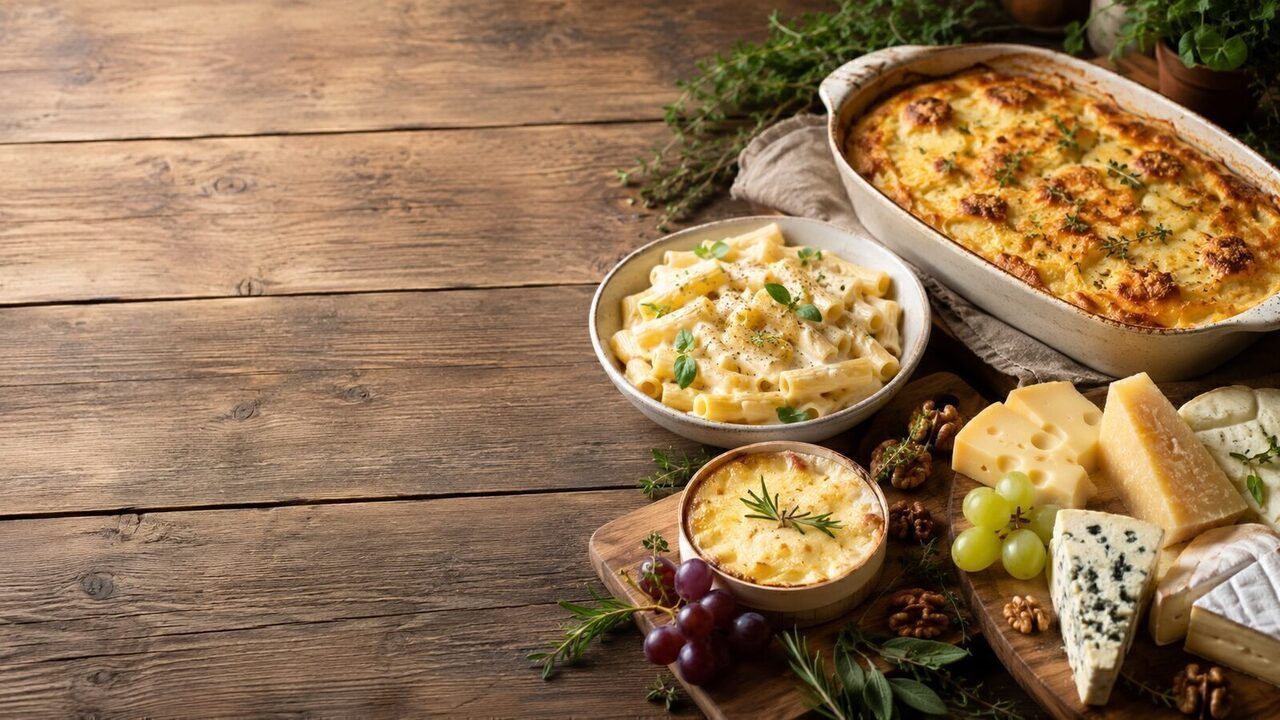
Choose cheese according to whether it should melt, brown, crumble or be served cold. These recipes pair different varieties with pasta, vegetables, potatoes, breads and fresh salads.
Recipes
Cherry tomatoes are broken with garlic in olive oil, then mixed with bite-resistant pasta, pasta water and burrata. Do not cook Burrata, but open on the hot pasta; so the kernel remains creamy.
Peach splits are briefly grilled and served with mozzarella, tomatoes, basil and a balsamic honey dressing. Mature but firm peaches retain their shape on the grill; add mozzarella and basil only on the plate.
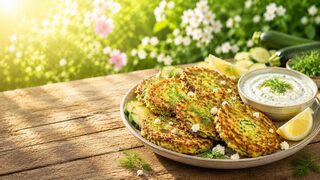
grated zucchini is salted and thoroughly squeezed dry, then fried with egg, feta, flour and dill to crispy fritters. The drier the zucchini, the better keep the fritters and the less flour is needed.
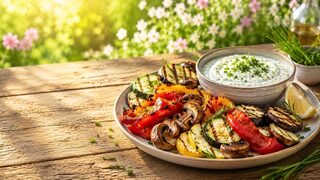
Zucchini, paprika, aubergine and mushrooms are oiled, portionally grilled and served with a chives quark. Do not cut vegetables too thin and do not overfill the grill, so that real roasted aromas are produced instead of leaking liquid.
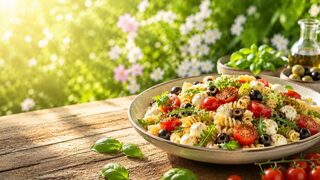
Short pasta is cooked with a bite and mixed lukewarmly with tomatoes, olives, mozzarella and balsamic dressing. Do not deter the pasta cold; lukewarmly take on the dressing, Rucola and basil are added only before serving.
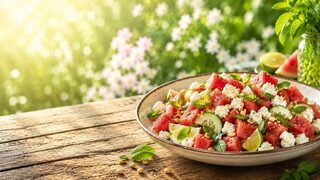
Watermelon and cucumber are mixed with feta, mint and lime vinaigrette and sprinkled with roasted pine nuts. Let the melon and cucumber drain well and salt only shortly before serving, otherwise too much liquid accumulates.
Cold cucumber soup with dill is a light summer soup without stove. Cucumber, yoghurt, dill, lemon and olive oil are finely pureed and served well chilled.
A simple strawberry tiramisu in glass with mascarpone, quark, spooned biscuits, orange juice and fresh strawberries. The dessert is without egg, easy to prepare in advance and ideal for summer.
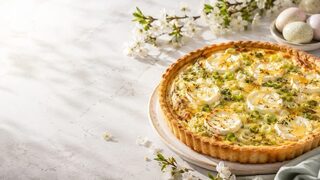
Spring onions and goat cheese come to the tarta bottom and are baked with egg-sah cast, thyme and little honey. The soil remains crisper when the spring onions are short-sweated and the casting is not filled to the edge.
A soft yeast dough is rolled out after rising, filled with quark, apricot jam and almonds, rolled up and braided to the wreath. Do not paint the filling to the edge and cool the roll before cutting for a short time so that the wreath keeps its shape.
wild garlic is finely cut and mixed with cream cheese, yoghurt, lemon and olive oil to form a spread that can be spread spread. wild garlic does not process warm and let the spread be pulled short before after salting, because cream cheese already brings seasoning.
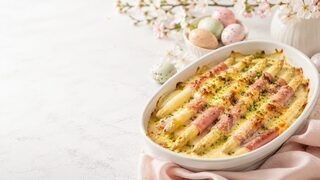
Pre-cooked white asparagus is wrapped in ham, poured with a mustard-and-sacre sauce and garnished under Gouda. The asparagus should drain well so that the sauce does not water and the cheese actually browns.
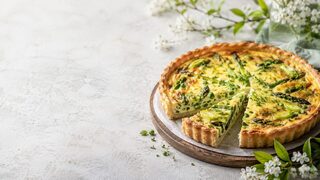
Quicheteig is covered with green asparagus and spring onions, covered with egg-and-cream cast and baked under mountain cheese. Cook asparagus and onions briefly and leave them to steam dry to make the soil crispy and the cast cut.
Rasped carrots, walnuts, oil and a seasoned stirred dough are juicyly baked and coated with fresh cheese frosting until completely cooled. Frosting remains firm when cakes and cream cheese are cool and the powder sugar is only stirred for a short time.
Eierlikör-Tiramisu is a creamy Easter dessert without baking. Mascarpone, quark, egg liqueur, espresso and spoon biscuits are layered and put cold for several hours.
Flammkuchenteig is thinly smeared and baked very hot with asparagus, red onion and goat cheese. Thin pieces of asparagus and a completely preheated sheet ensure that dough and surface are cooked at the same time.
From flour, eggs, milk and herbs, thin pancakes are baked and filled with fried asparagus and lemon fresh cheese. Let the dough soak briefly and heat the pan only moderately so that the herbal pancakes remain flexible.
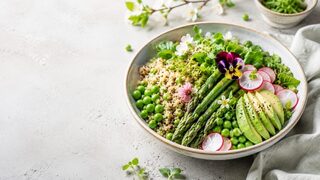
Quinoa forms the warm base, followed by peas, radishes, avocado, feta and a lemon-herb dressing. Well drained quinoa and an avocado meat cut just before the meal keep the bowl loose and fresh.
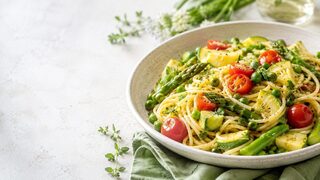
Pasta is cooked tender but firm and combined with separately fried asparagus, zucchini and peas as well as lemon, parmesan and some pasta water. Fry the vegetables only briefly and bind the sauce with pasta water so that the Primavera becomes juicy instead of heavy.
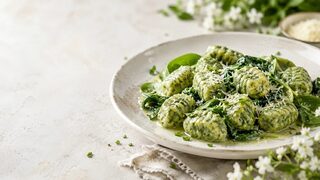
Gnocchi are roasted golden brown, then mixed with onion, spinach, ricotta, lemon and a little water creamy. Ricotta must not cook strongly, otherwise the sauce becomes grainy; Parmesan and nutmeg come first to taste.
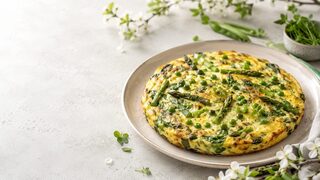
Peas, spinach and spring onions are briefly sautéed in the oven-proof pan and set with scrambled eggs and goat cheese. Low heat prevents a dry underside; in the oven, the frittata only needs to reach the straight solid middle.
Green asparagus, peas and spring onions come to the quiche floor and are baked with an egg-and-cream cast. The soil remains stable when the vegetables come into shape dry and the quiche rests briefly after baking.
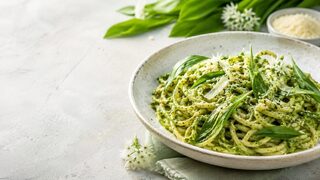
Bear's garlic, pine nuts, parmesan, garlic and olive oil are coldly mixed into a strong pesto and are first combined with the hot pasta. The pesto makes some pasta water creamy without the sensitive bear's garlic in the pan becoming grey.
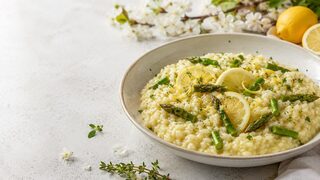
Risotto rice is sautéed with onion and gradually cooked with hot broth; pieces of asparagus come in time, Parmesan, butter and lemon only at the end. Do not cook the asparagus from the beginning and the risotto off the heat mantecare so that rice and vegetables keep their bite.
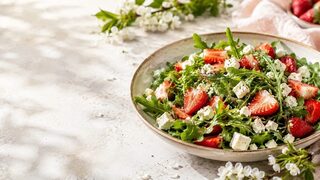
Strawberry Rucola salad with feta is a fresh spring salad without a cooker: sweet strawberries, peppery rucola, creamy feta and a honey balsamic dressing come together just before serving.