Beef Stroganoff
Beef stroganoff consists of short fried strips of beef in a creamy sauce with onions, mushrooms, broth, mustard and sour cream. The meat comes back into the sauce only at the end.
Recipes
Beef stroganoff consists of short fried strips of beef in a creamy sauce with onions, mushrooms, broth, mustard and sour cream. The meat comes back into the sauce only at the end.
Pelmeni are small dumplings filled with juicy minced meat. They are cooked in salted water or broth and served with butter, sour cream, pepper and dill.
Borsch is a strong beetroot soup with cabbage, potatoes, root vegetables, broth and dill. A small dash of vinegar or lemon juice keeps colour and taste fresh.
Sundubu Jjigae is a hot-warming Korean stew with silk tofu, gochugaru, broth, garlic, spring onions and egg. Pork, seafood or mushrooms add depth.
Samgyeopsal is Korean grill with pork belly, lettuce leaves, garlic, chilli, samjang and sesame oil salt dip. It is eaten in small wraps directly from the table.
Gimbap is a Korean rice roll with Gim seaweed leaf, sesame rice, vegetables, egg, danmuji and, if desired, beef or fish pie. The fillings are prepared dry and tidy.
Japchae is a Korean glass pasta dish with sweet potato starch noodles, vegetables, mushrooms, sesame oil and soy sauce. The ingredients are cooked separately and mixed at the end.
Bulgogi is thinly sliced beef in a sweet and salty marinade of soy sauce, pear, garlic, sesame oil and spring onions. It remains tender when fried short and hot.
Kimchi Jjigae is a Korean stew with well-ripened kimchi, broth, pork belly or tofu, gochugaru, garlic and soft tofu. Ripe kimchi makes the flavour deep and sour.
Bibimbap is a Korean rice bowl with warm rice, individually cooked vegetables, egg, sesame oil and gochujang sauce. The ingredients are mixed at the table to ensure that textures and flavours remain clear.
Japanese curry rice is a mildly spicy curry with meat or tofu, potatoes, carrots, onions and a creamy curry roux sauce. It goes well with freshly cooked rice.
Tempura is a vegetable or shrimp in a very cold, light batter, which is briefly baked in hot oil. It is only roughly stirred to keep it airy.
Tonkatsu is a Japanese pork cutlet with panko breading. It is fried until golden brown, left to rest for a short time and served with tonkatsu sauce and finely sliced cabbage.
Okonomiyaki is a hearty Japanese cabbage pancake with egg, flour, dashi, cabbage and toppings such as okonomiyaki sauce, Japanese mayonnaise, Aonori and Bonitoflakes.
Yakisoba is a Japanese pancake noodle dish with fried noodles, cabbage, carrots, onions, meat or tofu and a spicy-sweet yakisoba sauce.
Teriyaki chicken is briefly fried and glazed in a shiny sauce of soy sauce, mirin, sake and sugar. Chicken leg meat remains particularly juicy.
Sushi rolls are made with properly seasoned sushi rice, nori leaves and neatly prepared fillings. The rice is seasoned with rice vinegar, sugar and salt, not with soy sauce.
Minestrone is an Italian vegetable soup with beans, vegetables, broth and small noodles or rice. Vegetables come in stages depending on the cooking time.
Osso Buco is braised in the classic way with slices of veal. White wine, broth, tomatoes, vegetables and gremolata make an aromatic, delicate braised dish.
Caprese salad consists of ripe tomatoes, mozzarella, basil, olive oil, salt and pepper. Good ingredients and room temperature are crucial.
Bruschetta is made with roasted bread, ripe tomatoes, basil, garlic and good olive oil. Let the tomatoes simmer for a short time to make the topping aromatic.
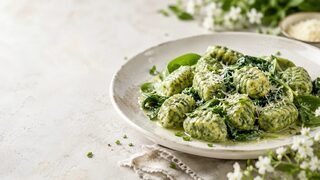
Sage gnocchi need only a few ingredients: potato gnocchi, butter, fresh sage leaves, Parmesan cheese and a little cooking water. The butter may become nutty but not burn.
Milanese risotto is mixed with risotto rice, saffron, broth, butter and Parmesan. The rice should be soft but still have a light bite in the core.
Pizza Margherita lives on a well-done dough, simple tomato sauce, mozzarella, basil and high oven heat. Few ingredients are enough when the bottom becomes crispy.
Lasagne Bolognese needs a slow-cooked ragù, a smooth béchamel and enough rest time after baking. This allows the layers to be cut clean.