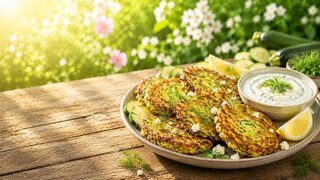

Börek
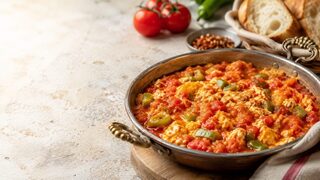
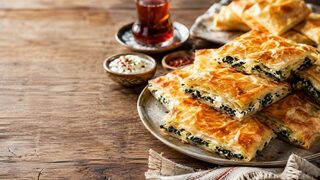
Börek succeeds with yufka or filo dough, a juicy cheese-spinach filling and a yoghurt-egg mixture that joins the layers together. The oven makes the surface golden brown and crispy.
Travel through different food cultures from your own kitchen. Discover familiar classics and approachable everyday dishes, with characteristic ingredients and techniques explained in clear steps.
Topics
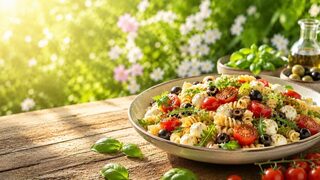
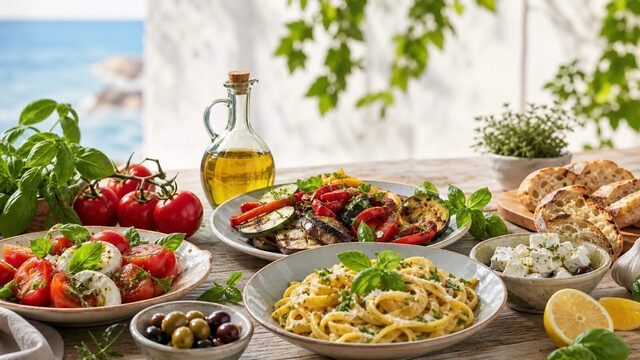
Mediterranean recipes featuring vegetables, pasta, fish, olive oil, cheese, lemon and fresh herbs.
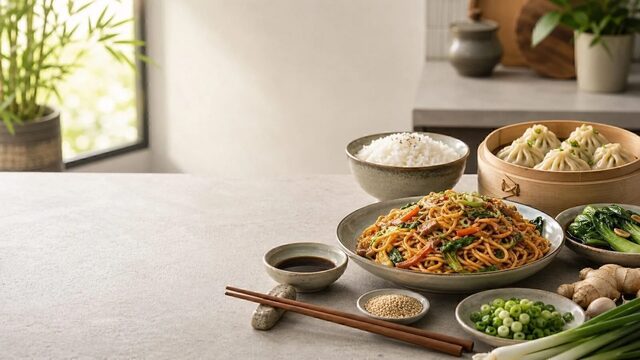
Chinese recipes for noodles, rice, dumplings, soups and wok dishes with vegetables, tofu, chicken, pork or beef.
French recipes ranging from bistro classics and slow braises to quiches, tarts and carefully made desserts.
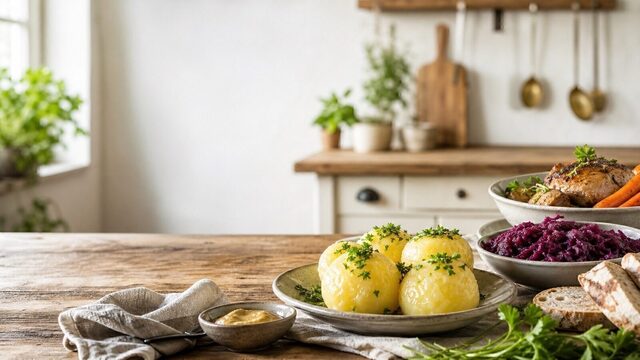
German home cooking with regional classics, potato dishes, soups, stews, cakes and family favourites.
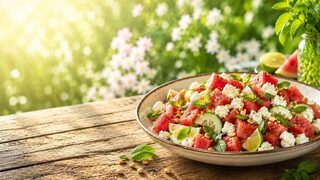
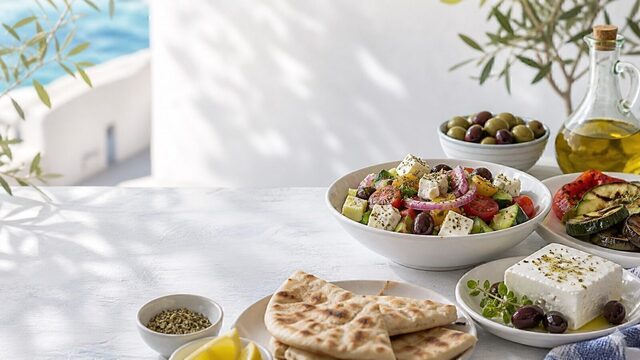
Greek recipes with feta, yoghurt, lemon, olive oil, herbs, vegetables, pulses, fish and slow-cooked meat.
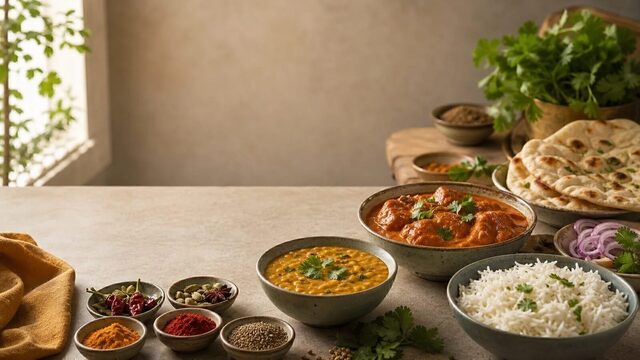
Indian recipes for curries, dal, biryani, breads and vegetable dishes with balanced, freshly toasted spices.
Indonesian recipes with rice, noodles, sambal, coconut, peanuts, tempeh and aromatic spice pastes.
Italian recipes for pasta, risotto, soups, baked dishes, antipasti and desserts built around good ingredients.
Japanese recipes for rice, noodles, ramen, miso soup, onigiri, teriyaki, tempura and home-style curries.
Korean recipes with rice, noodles, kimchi, vegetables, sesame, chilli pastes and deeply flavoured marinades.
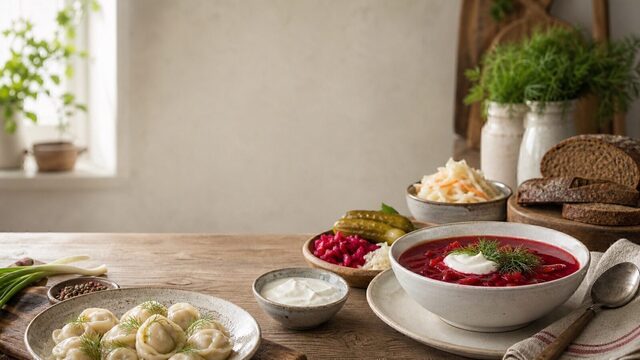
Russian recipes for borscht, pelmeni, blini, salads, filled pastries and warming braised dishes.
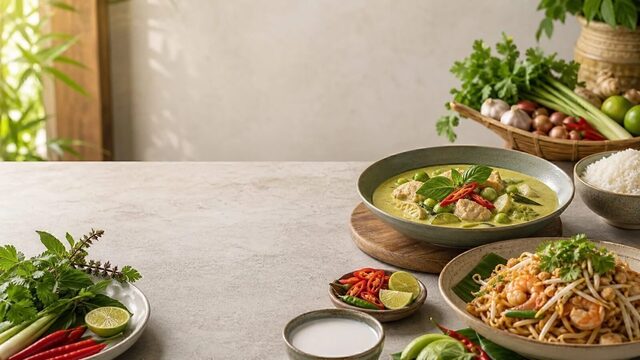
Thai recipes for curries, soups, salads, noodles and wok dishes with chilli, lime, herbs and coconut milk.
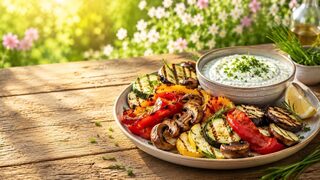
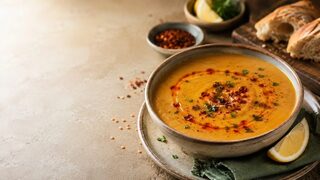
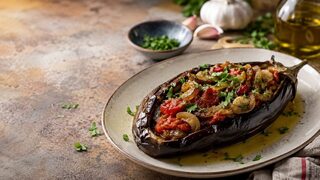
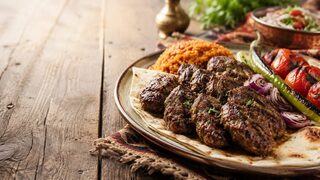
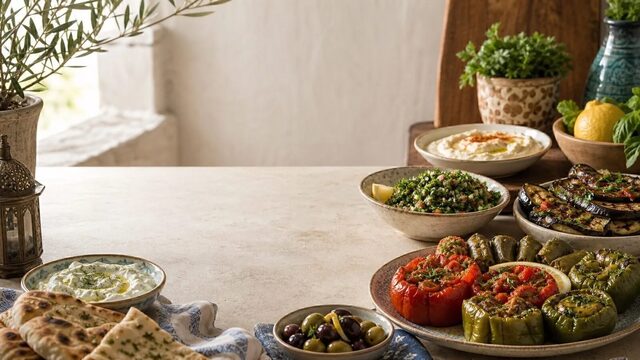
Turkish recipes for meze, pide, köfte, börek, soups, salads, aubergine dishes and syrup-soaked desserts.
Recipes
Börek succeeds with yufka or filo dough, a juicy cheese-spinach filling and a yoghurt-egg mixture that joins the layers together. The oven makes the surface golden brown and crispy.
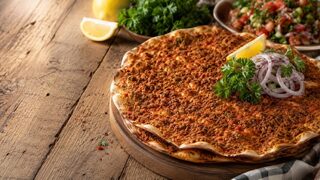
Lahmacun is made from very thinly rolled yeast dough and a spicy minced tomato mixture. It tastes fresh as from a Turkish bakery with parsley, lemon and sumac onions.
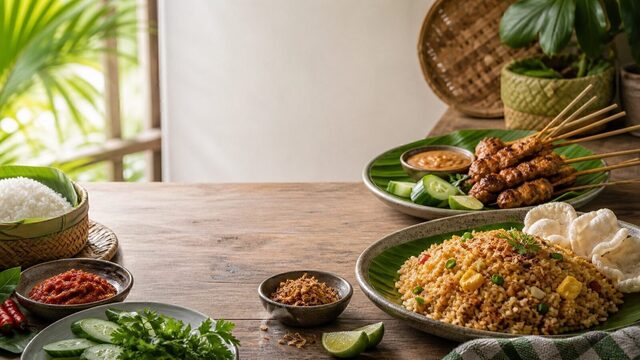
Satay with peanut sauce is made up of marinated chicken skewers grilled or pan-fried, with a creamy sauce made from peanuts, coconut milk, curry and lime.
Panang Curry is a thick, creamy Thai curry with panang paste, coconut milk, kaffir lime leaves, peanut flavour and meat or tofu. It is served in a more concentrated way than many other curries.
Pad Kra Pao is a quick Thai wok dish with minced meat, lots of garlic, chilli, fish sauce, oyster sauce and Thai basil. Classic with rice and a fried egg.
Massaman Curry is a mild spicy Thai curry with coconut milk, potatoes, onions, peanuts, tamarind and chicken or beef. It is braised longer than many other curries.
Green Thai curry combines green curry paste, coconut milk, chicken or tofu, vegetables, kaffir lime leaves and Thai basil. The curry paste is first roasted in coconut oil.
Kiev pork chop consists of chicken breast, stuffed with cold herb butter, breaded and fried until golden brown. A short cooling helps to keep the butter inside during cooking.
Solyanka is a strong, sour soup with broth, meat or sausage, pickles, tomato paste, onions, olives, lemon and sour cream. The acidity makes it fresh instead of heavy.
Pies are filled dumplings or small yeast dough pieces that are baked or fried. This version gets a hearty potato and mushroom filling with onions and dill.
Shchi is a Russian cabbage soup with white cabbage or sauerkraut, potatoes, carrots, onions, broth, bay leaf and dill. It tastes particularly round with sour cream and a little rest.
Olivier Salad is a Russian classic made from potatoes, carrots, eggs, peas, pickled gherkins, meat sausage or chicken and mayonnaise. Everything is served finely diced and chilled.
Beef stroganoff consists of short fried strips of beef in a creamy sauce with onions, mushrooms, broth, mustard and sour cream. The meat comes back into the sauce only at the end.
Pelmeni are small dumplings filled with juicy minced meat. They are cooked in salted water or broth and served with butter, sour cream, pepper and dill.
Borsch is a strong beetroot soup with cabbage, potatoes, root vegetables, broth and dill. A small dash of vinegar or lemon juice keeps colour and taste fresh.
Sundubu Jjigae is a hot-warming Korean stew with silk tofu, gochugaru, broth, garlic, spring onions and egg. Pork, seafood or mushrooms add depth.
Samgyeopsal is Korean grill with pork belly, lettuce leaves, garlic, chilli, samjang and sesame oil salt dip. It is eaten in small wraps directly from the table.
Gimbap is a Korean rice roll with Gim seaweed leaf, sesame rice, vegetables, egg, danmuji and, if desired, beef or fish pie. The fillings are prepared dry and tidy.
Japchae is a Korean glass pasta dish with sweet potato starch noodles, vegetables, mushrooms, sesame oil and soy sauce. The ingredients are cooked separately and mixed at the end.
Bulgogi is thinly sliced beef in a sweet and salty marinade of soy sauce, pear, garlic, sesame oil and spring onions. It remains tender when fried short and hot.
Kimchi Jjigae is a Korean stew with well-ripened kimchi, broth, pork belly or tofu, gochugaru, garlic and soft tofu. Ripe kimchi makes the flavour deep and sour.
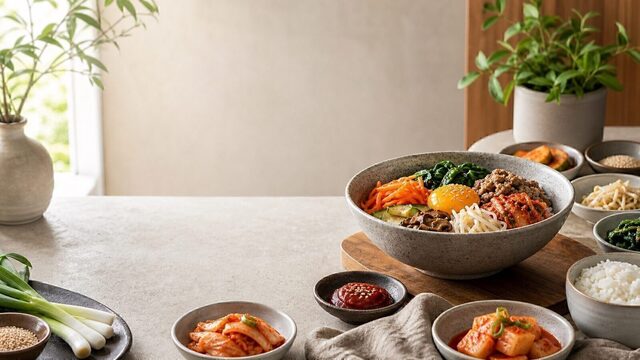
Bibimbap is a Korean rice bowl with warm rice, individually cooked vegetables, egg, sesame oil and gochujang sauce. The ingredients are mixed at the table to ensure that textures and flavours remain clear.
Japanese curry rice is a mildly spicy curry with meat or tofu, potatoes, carrots, onions and a creamy curry roux sauce. It goes well with freshly cooked rice.
Tempura is a vegetable or shrimp in a very cold, light batter, which is briefly baked in hot oil. It is only roughly stirred to keep it airy.
Tonkatsu is a Japanese pork cutlet with panko breading. It is fried until golden brown, left to rest for a short time and served with tonkatsu sauce and finely sliced cabbage.