29 min
Italian inspired
Air Fryer Pizza Pinwheels
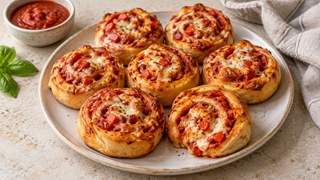
pizza pinwheels made from finished pizza dough become golden brown outside in the air fryer when tomato sauce and cheese are sparingly dosed.
Recipes
pizza pinwheels made from finished pizza dough become golden brown outside in the air fryer when tomato sauce and cheese are sparingly dosed.
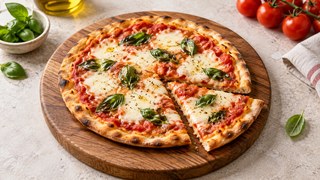
A small pizza with thin yeast dough is pre-baked in the air fryer and then cooked with tomato sauce and mozzarella.
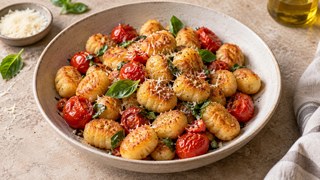
Gnocchi from the refrigerated shelf become golden brown outside and soft inside without precooking if they are thinly oiled and shaken several times during cooking time.
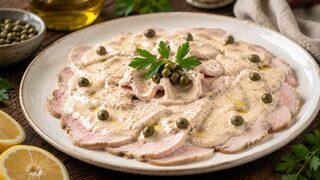
Vitello Tonnato combines finely cut veal with a creamy sauce of tuna, anchovies, capers, egg and lemon juice.
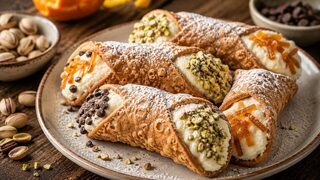
Cannoli Siciliani are made of thin, leafy, crispy Marsala shells and a smooth cream of drained sheep sricotta, sugar and chocolate.
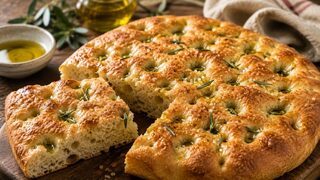
Focaccia Genovese is a flat, airy yeast bread with deep fingertips, abundant olive oil and a salty water-oil emulsion.
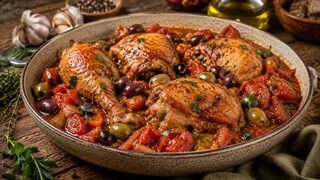
Pollo alla Cacciatora flavoured chicken pieces with onions, carrots, celery, rosemary, wine, tomatoes and black olives.
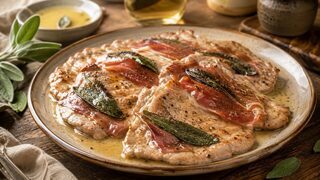
Saltimbocca alla Romana fill thin veal chips with prosciutto crudo and sage and fry them briefly in butter before white wine dissolves the pan set.
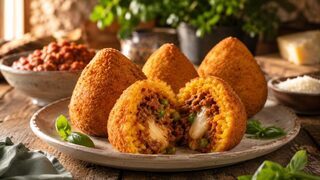
Sicilian Arancini wrap a dry ragù of minced meat and peas with saffron rice, cheese, thin flour cover and crispy breadcrumbs.
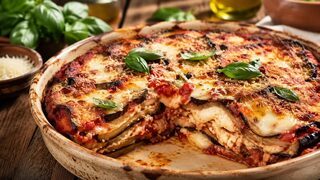
Parmigiana di Melanzane layered golden brown fried eggplant with concentrated tomato sauce, basil, Fior di Latte and Parmigiano.
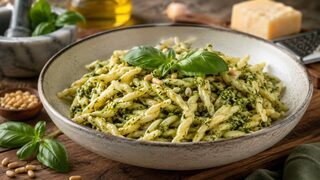
Trofie al Pesto Genovese combine turned pasta with fresh basil pesto, potatoes and green beans to form a Ligurian classic.
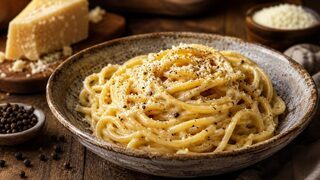
Cacio e Pepe makes pasta, Pecorino Romano, black pepper and starchy cooking water a shiny creamy sauce without cream.
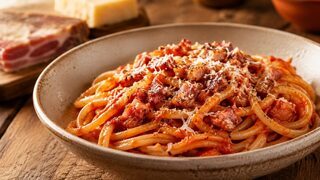
Bucatini all the Amatriciana combine crisp rendered guanciale with tomatoes, Pecorino Romano and some chilli to form a strong pasta classic from Lazio.
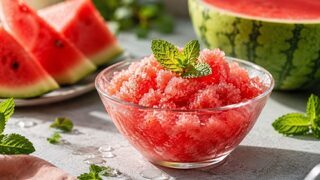
Watermelon granita does not need an ice machine. Lime, a light sugar syrup and repeated scratching turn melon into loose, refreshing ice crystals.
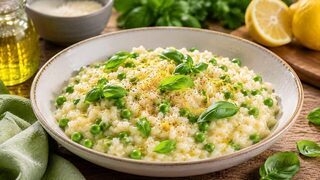
Creamy risotto gets a light summer note through lemon, peas and basil. Parmesan and cold butter bind the rice grains only after cooking.
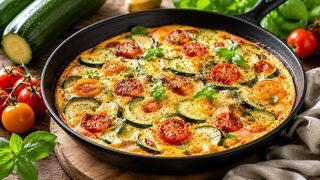
Zucchini, cherry tomatoes, feta and herbs make this frittata a fast summer meal. It is started in the pan and cooked gently in the oven.
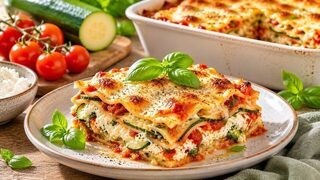
This vegetarian lasagne combines fried zucchini, spicy tomato sauce and creamy ricotta. Previous roasting prevents watery filling.
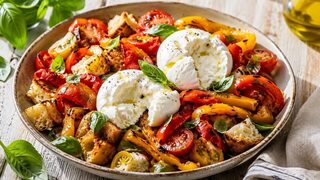
Burrata-Panzanella combines roasted bread, ripe tomatoes, grilled peppers, basil and creamy burrata. The bread salad is to be pulled, but not muddy.
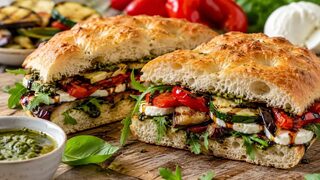
Focaccia sandwich with antipasti is a fast Italian sandwich with pesto, grilled vegetables, mozzarella and rucola. Important is a juicy but not dripping filling.
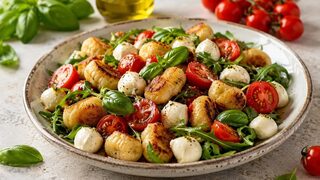
Gnocchi salad with tomatoes and mozzarella is better if the gnocchi are fried briefly. So they get bite and do not water the salad.
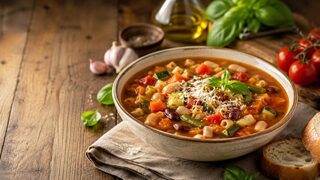
Minestrone is an Italian vegetable soup with beans, vegetables, broth and small noodles or rice. Vegetables come into the pot staggered according to cooking time.
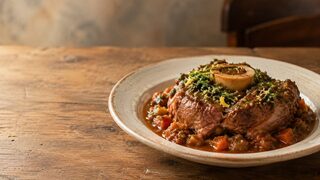
Osso Buco is classically stewed with slices of veal leg. White wine, broth, tomatoes, vegetables and gremolata produce an aromatic, delicate stew.
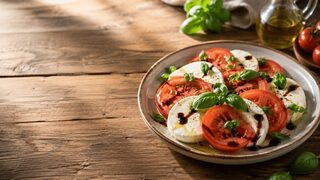
Caprese salad consists of ripe tomatoes, mozzarella, basil, olive oil, salt and pepper. Good ingredients and room temperature are crucial.
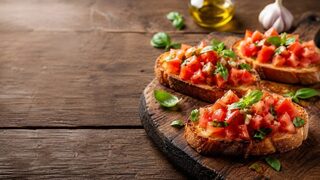
Bruschetta is prepared with toasted bread, ripe tomatoes, basil, garlic and good olive oil. The tomatoes should be pulled short so that the surface becomes aromatic.
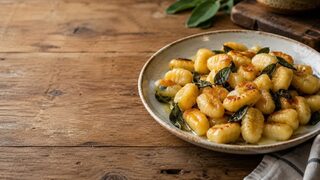
Gnocchi with sage need only a few ingredients: potato gnocchi, butter, fresh sage leaves, parmesan and some cooking water. The butter can become nutty, but not burn.
Guide
Italian cuisine looks simple, but is accurate. Pasta, risotto, pizza, tomatoes, cheese, herbs and olive oil need matching cooking times and a sauce that matches shape and texture.
In many recipes, the final step is decided: Pasta water binds, Parmesan melts better away from strong heat, basil stays fresh if it doesn't cook for long.
Italian cuisine remains clear, aromatic and closer to the actual product.
For Pasta recipes The sauce should fit the shape: pieces of sauces adhere well to short, grooved noodles, fine or oily sauces wrap long pasta. The noodles are put into the sauce just before the desired cooking point and finished there.
Risotto needs hot bottom and regular, but not hectic movement. Butter and cheese are added at the Mantecatura step away from the strong heat. Lasagne and other oven dishes, on the other hand, benefit from ten minutes of rest before they are cut.
Few good ingredients work best when cooking time, temperature and order really fit the dish.
FAQ