23 min
Greek inspired
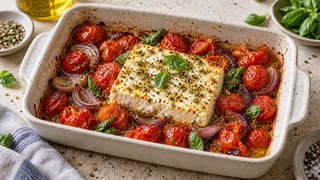
Air Fryer Feta with Tomatoes
Feta and cherry tomatoes cook with garlic, oregano and olive oil in a small baking pan until the cheese is soft and the tomatoes are burst.
Recipes
Feta and cherry tomatoes cook with garlic, oregano and olive oil in a small baking pan until the cheese is soft and the tomatoes are burst.
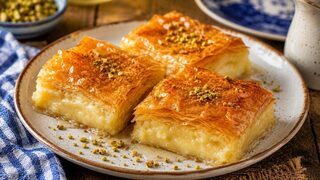
Galaktoboureko encloses a soft semolina vanilla cream with crispy filotey layers and waters the hot pastries with cold lemon syrup.
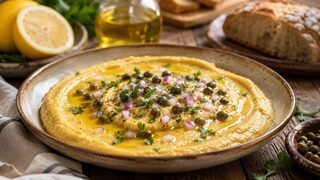
Greek fava is a silky puree of yellow peel peas, onion, olive oil and lemon, served with capers and red onion.
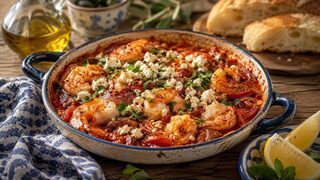
Garides Saganaki cooks shrimp briefly in a spicy tomato sauce with white wine, garlic, oregano, some chilli and crumbled feta.
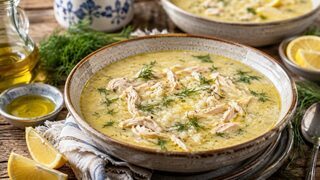
Avgolemono is a Greek chicken soup with rice, tender chicken meat and a velvety bond of egg and fresh lemon juice.
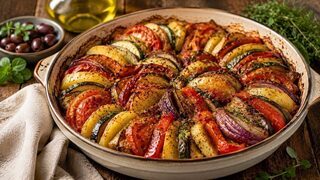
Briam slowly roasts potatoes, courgettes, eggplants, tomatoes, onions and garlic with plenty of olive oil, parsley and oregano.

Giouvetsi stews beef in an aromatic tomato sauce and then cooks Kritharaki directly in the casserole until the pasta absorbs the meat juice.
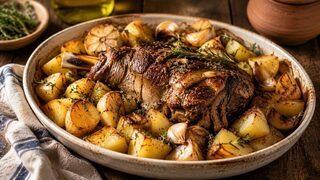
For Kleftiko, lamb, potatoes, onions, garlic, lemon and oregano stew for several hours in a tightly closed baking paper package.
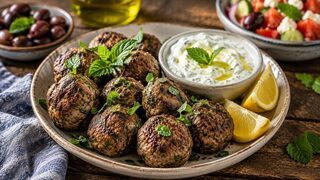
Greek Keftedakia are small, juicy minced meat balls with soaked bread, onion, garlic, parsley, mint and oregano.
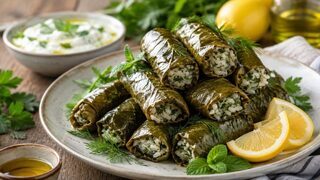
Dolmadakia yalantzi are delicate vine leaves with a meatless filling of round grain rice, onions, dill, mint, parsley, lemon and olive oil.
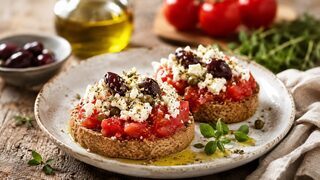
Cretan dacos fills moistened barley baking with ripe tomatoes, mizithra or feta, olive oil, oregano, capers and olives.
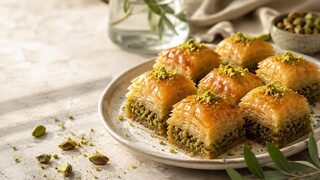
Baklava consists of many buttered filo pastry layers, nuts, cinnamon and syrup made of honey or sugar. Hot pastries absorb cold syrup particularly well.
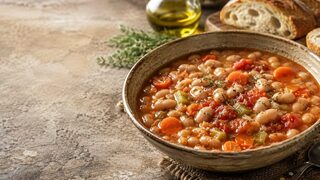
Fasolada is a Greek bean soup with white beans, tomatoes, carrots, celery and olive oil. The beans are cooked softly and the soup is tasted calmly.
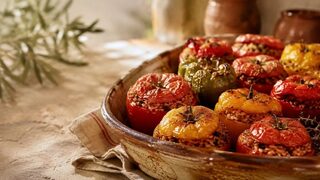
Gemista are tomatoes and peppers filled with rice, herbs and tomato meat. In the oven they cook slowly with olive oil and potatoes.
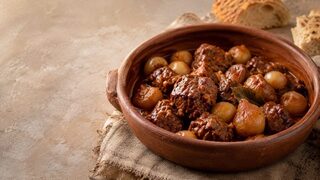
Stifado is a Greek stew dish with beef, many small onions, red wine, tomatoes, cinnamon, bay leaf and piment. It takes time.
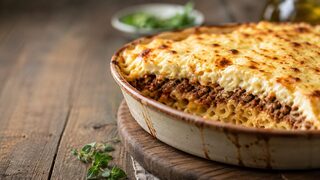
Pastitsio is a Greek nude run with tubular noodles, spicy minced meat sauce, cinnamon and creamy béchamel. After baking let rest briefly.
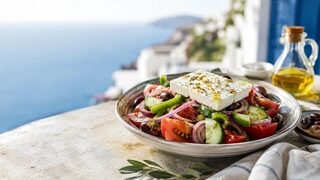
Greek farm salad, Horiatiki, consists of tomatoes, cucumber, peppers, red onion, olives, feta, olive oil and oregano. Leaf salad does not belong in classic.
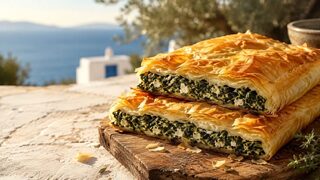
Spanakopita is a Greek filo pastry cake with spinach, feta, spring onions, dill and egg. Important is a well-squeezed dry, non-watery filling.
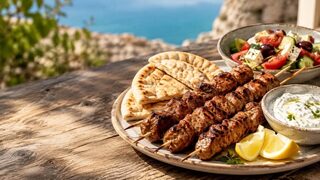
Souvlaki are Greek meat skewers with lemon, olive oil, garlic and oregano. Pig or chicken is briefly marinated and hot grilled.
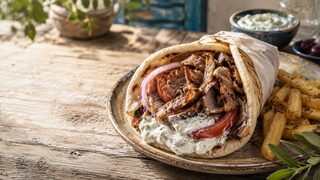
Gyros with Tzatziki succeeds with thinly cut, strongly marinated pork, hot pan and a fresh dip of yoghurt, cucumber, garlic and dill.
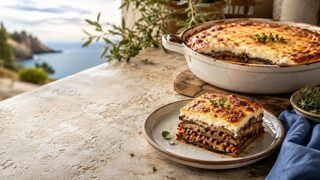
Moussaka is layered with aubergines, potatoes, spicy minced meat tomato sauce and creamy béchamel. After baking, the casserole needs a short rest period.
Guide
Greek dishes often combine oven vegetables, grilled meat, feta, yoghurt, olive oil, lemon and herbs. This mixture of spice and freshness makes many recipes suitable for everyday use.
It is important to think of warm and cold elements separately. Tzatziki, salads or herbs are better served fresh, while casseroles, skewers and stuffed vegetables can rest briefly.
Greek cuisine may be strong, but wins through freshness and clear side dishes.
Moussaka, pastitsio and stuffed vegetables are well suited for a common meal because they can be prepared and after a short rest clean portioned. For fast days, souvlaki, farm salad, oven vegetables, bean or lentil dishes and small meze fit.
Feta is not just a topping. It can become soft in oven dishes, round salads salty or serve with herbs and olive oil as part of an appetizer. Therefore, you should check additional amount of salt only after the cheese. Recipes with cheese.
Such a division brings the typical mixture of savoury, fresh, creamy and sour to the table.
FAQ