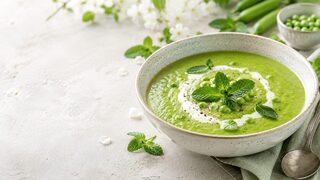
Peas-mint soup
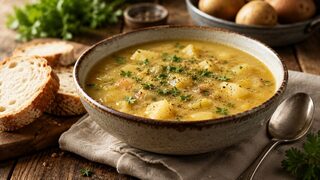
Onion is steamed translucent, then the peas cook only briefly in vegetable broth before mint and cream are purified. Short cooking gets the green colour; lemon juice and mint belong only immediately before mixing into the pot.
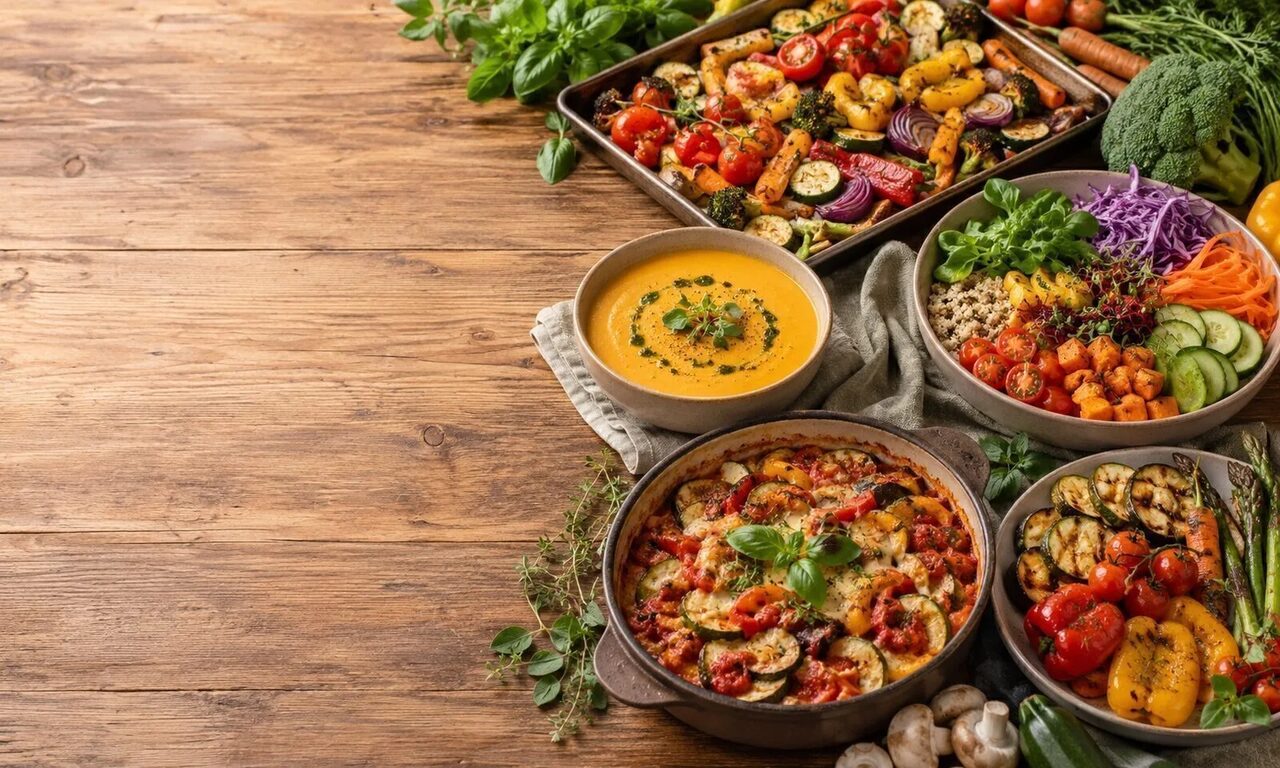
Give each vegetable the heat and cooking time it needs to retain flavour and texture. Browse colourful everyday dishes that make seasonal produce the main event rather than an afterthought.
Recipes
Onion is steamed translucent, then the peas cook only briefly in vegetable broth before mint and cream are purified. Short cooking gets the green colour; lemon juice and mint belong only immediately before mixing into the pot.
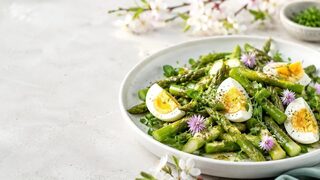
Green asparagus is briefly fried or blanched and served with boiled eggs, radishes, chives and a lemon-mustard vinaigritte. Cook asparagus only tender but firm and let cool before mixing so that eggs and radishes retain their structure.
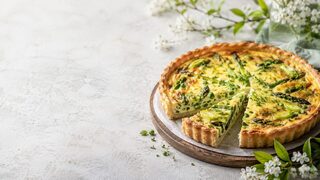
Green asparagus, peas and spring onions come to the quiche floor and are baked with an egg-and-cream cast. The soil remains stable when the vegetables come into shape dry and the quiche rests briefly after baking.
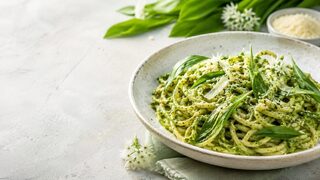
Bear's garlic, pine nuts, parmesan, garlic and olive oil are coldly mixed into a strong pesto and are first combined with the hot pasta. The pesto makes some pasta water creamy without the sensitive bear's garlic in the pan becoming grey.
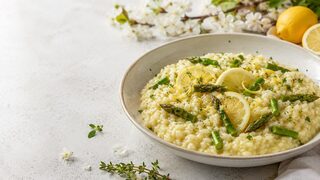
Risotto rice is sautéed with onion and gradually cooked with hot broth; pieces of asparagus come in time, Parmesan, butter and lemon only at the end. Do not cook the asparagus from the beginning and the risotto off the heat mantecare so that rice and vegetables keep their bite.
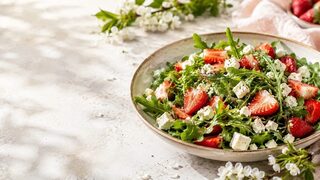
Strawberry Rucola salad with feta is a fresh spring salad without a cooker: sweet strawberries, peppery rucola, creamy feta and a honey balsamic dressing come together just before serving.
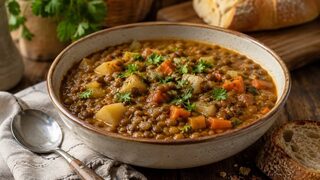
Sweat onion, carrots, celery and leeks in oil until they smell. Add lentils, broth and bay leaf and cook quietly.
Sweat the onion, carrot, leek and celery in butter without tanning it strongly. Stir in potato wheat and marjoram, fill with broth and boil.
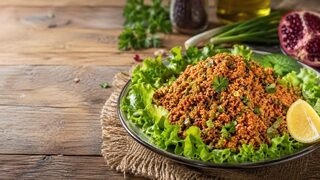
Kisir is a Turkish bulgur salad with tomato paste, paprika paste, lemon, pomegranate syrup, herbs and spring onions. It tastes fresh, spicy and can be prepared in advance.
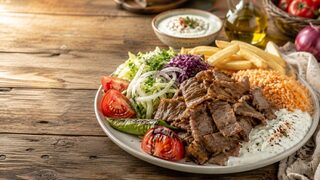
At home, a Döner plate succeeds with well seasoned meat, hot pan, fresh salad, rice or flatbread and a garlic yoghurt sauce. So it becomes aromatic instead of dry.
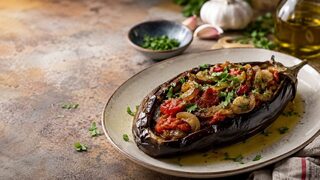
Imam Bayildi is a Turkish aubergine dish with lots of olive oil, onions, garlic and tomatoes. The aubergines are filled and slowly tasted soft.
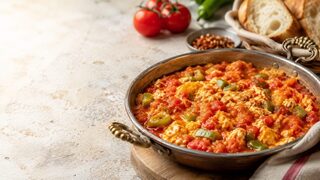
Menemen is a Turkish pan dish made of tomatoes, green peppers and eggs. The eggs are only gently set so that the pan remains juicy and fits perfectly with fresh bread.
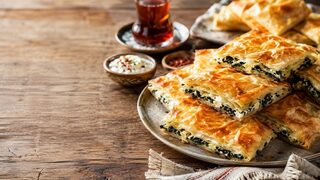
Börek succeeds with Yufka or filo pastry, a juicy cheese-spinate filling and a yoghurt-egg mixture that connects the layers. The oven makes the surface golden brown and crispy.
Green Thai Curry combines green curry paste, coconut milk, chicken or tofu, vegetables, coffee lime leaves and Thai basil. The curry paste is first roasted in coconut fat.
Soljanka is a strong, sour soup with broth, meat or sausage, cucumbers, tomato paste, onions, olives, lemon and savoury. The acidity makes it fresh instead of heavy.
Shchi is a Russian cabbage soup with white cabbage or sauerkraut, potatoes, carrots, onions, broth, bay leaf and dill. It tastes particularly round with simmering and some rest time.
Olivier Salat is a Russian classic of potatoes, carrots, eggs, peas, cucumbers, meat sausage or chicken and mayonnaise. Everything is finely diced and served chilled.
Borschtsch is a strong red beet soup with cabbage, potatoes, root vegetables, broth and dill. A small dash of vinegar or lemon juice keeps colour and taste fresh.
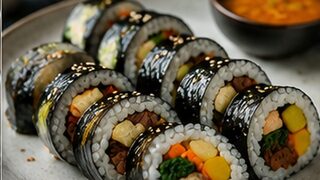
Gimbap is a Korean rice roll with gim algae leaf, sesame rice, vegetables, egg, danmuji and, if desired, beef or fish cake. The fillings are prepared dry and neatly.
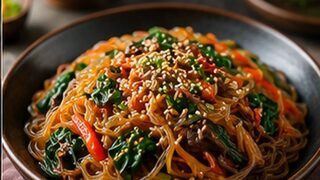
Japchae is a Korean glass noodle dish with sweet potato starch noodles, vegetables, mushrooms, sesame oil and soy sauce. The ingredients are cooked separately and mixed only at the end.
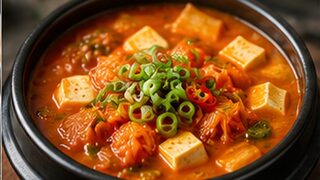
Kimchi Jjigae is a Korean stew with well matured kimchi, broth, pork belly or tofu, gochugaru, garlic and soft tofu. Mature kimchi makes the taste deep and sour.
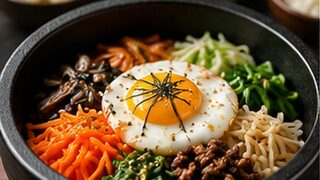
Bibimbap is a Korean rice shell with warm rice, individually cooked vegetables, egg, sesame oil and Gochujang sauce. The ingredients are first mixed at the table so that textures and aromas remain clear.
Japanese curry rice is a mild-spicy curry with meat or tofu, potatoes, carrots, onions and a sour curry roux sauce.
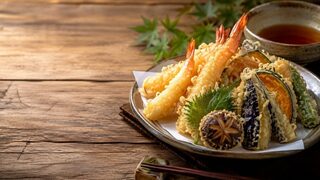
Tempura is vegetables or shrimps in a very cold, light dough, which is baked briefly in hot oil. The dough is stirred only roughly so that it remains airy.
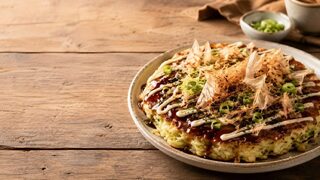
Okonomiyaki is a hearty Japanese cabbage pancake with egg, flour, dashi, cabbage and toppings such as Okonomiyaki sauce, Japanese mayonnaise, aonori and bonito flakes.