Cravings during pregnancy: What the new mouse study shows
Researchers studied a brain circuit involved in seeking highly palatable food in pregnant mice. What the findings may mean—and what cannot be inferred for pregnant people.
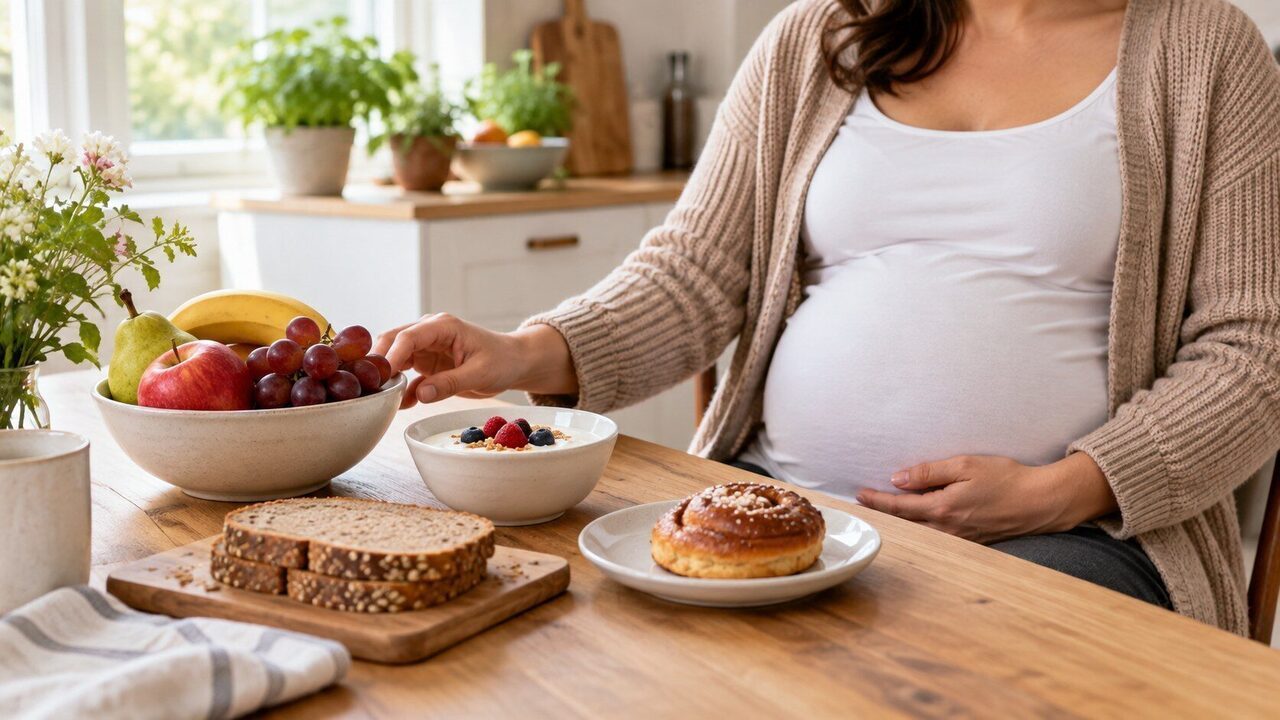
In short: a study published in Nature Neuroscience on September 18, 2026, describes a brain mechanism in pregnant mice that influences the feeding behavior of particularly tasty food. Serotonin-producing nerve cells in an area called the dorsal raphexene were less active during pregnancy; a potassium channel of type SK3 was involved. Genetic and optogenetic interventions altered the observed behavior. This is basic research on mice, but it's not evidence that pregnant people can control their fever with any medication, food, or diet.
What the team studied
The researchers observed a behavior in female mice during pregnancy that they called food craving-like, a measurably stronger test-tube of particularly tasty food. They then examined nerve cells in the dorsal cortex, a region of the brain with many serotonin-producing cells, and a connection between these cells to the ventral tegment involved in motivation and reward processing.
During pregnancy, the cell group studied fired less frequently. The working group attributed this to increased activity of SK3 potassium channels. If SK3 was deliberately switched off in these nerve cells, the typical decrease in cell activity remained and the feeding behavior decreased. An increased SK3 activity in non-fertile animals, on the other hand, produced a more similar behavior pattern.
Why “cravings” belongs in quotation marks here
Humans can name a craving, describe taste, smell, memories, and social situations. In mice, this subjective experience cannot be questioned. Approach, selection, and food intake are measured under set laboratory conditions. The expression craving-like marks exactly this boundary.
Pregnancy and mouse fitness are also not interchangeable. Hormone pathways, living environment, food supply and psychological and social factors differ. The study shows a possible biological mechanism, but not a complete explanation of human appetite. It also did not examine whether a desire for a particular food indicates a nutrient deficiency.
No therapy recommendation from a brain circuit
The interventions in the trial were research tools: genetic modification and optochemogenic activation of selected nerve cells. They are not routine or pregnancy-tested treatments. The paper lists possible approaches for further research, but provides neither an approved target drug nor data on benefits and risks in humans.
In particular, during pregnancy, medicines and complements should not be derived from animal studies or used independently. Those suffering from severe, persistent fever, nausea, weight problems or unusual cravings for non-food items should be informed by a doctor or a midwife.
What Official Recommendations for Everyday Life Say
The updated German action recommendations of Healthy Living, published in July 2026, recommend a plant-based, balanced and varied diet. Plenty of provisions include vegetables, fruit, whole grains, potatoes, pulses and a small portion of nuts. Sweet and salty snacks should be eaten sparingly and consciously.
This is not a call for perfection. A single cake or a sweet snack does not ruin a balanced diet overall. More helpful than guilt are regular, full-fledged meals and a supply of simple foods. Ideas can be found at breakfast, celery, and vegetarian dinners. (Fruit and nuts; Vegetarian meals)
Five practical guidelines
- Hunger and greed distinguish: physical hunger is usually satisfied by different foods; a jealousy is often very specific to taste or texture.
- Do not skip meals unnecessarily: Regular, individually tailored meals can prevent extreme hunger phases. In severe nausea, smaller portions can work better.
- Satisfying building blocks combine: combine whole grains or potatoes with vegetables or fruit and a source of protein such as yoghurt, egg or pulses.
- Food safety must be taken into account: For pregnant women, special indications apply to raw animal foods, undercooked sprouts and frozen berries, and alcohol and caffeine.
- Do not infer a deficiency diagnosis from a wish: a desire for chocolate, pickles or ice cream is not a laboratory test.
What the study does not prove
- No human studies: mice and targeted manipulated nerve cells were studied.
- No food plan: The work did not compare everyday meals or counselling approaches for pregnant women.
- No health promises: Changes in brain circuits do not result in safe prevention of overweight or pregnancy complications.
- There is no moral assessment: lust is not a personal failure; long-term overall selection is crucial.
Conclusion: An interesting mechanism with a large evidence gap
The study in mice convincingly demonstrates that a defined serotonin circuit and SK3 channels can help control the feeding behaviour during pregnancy, making it possible to more accurately examine a biological component of motivation.
However, for pregnant women, the statements are limited, and the results do not replace nutritional advice or medical clarification. The updated, widely accepted recommendations: eat varied and nutrient-dense foods, choose safe foods, and seek professional advice for stressful complaints continue to apply in everyday life.
Sources and status
- Zhao et al.: Serotonin neurons in the dorsal raphe control food-craving-like behavior during pregnancy in mice, Nature Neuroscience, published on September 18, 2026.
- Pennington Biomedical Research Center: Researchers identify brain circuits linked to food cravings during pregnancy, research report dated September 18, 2026.
- German Society for Nutrition: Nutrition in pregnancy and lactation, with reference to the updated 2026 recommendations. (Nutrition during pregnancy and lactation)
- Network Healthy in Life: Diet and Drinking in Pregnancy, as of 6 July 2026. (Nutrition and beverages during pregnancy)
Author: Kochmaguber Editorial. Information and update status: 21 September 2026. Basic research on animals, no individual medical or nutritional advice. The title image is an editorial icon.