Cyclospora Outbreak Linked to Iceberg Lettuce Ends: What to Know
The large US Cyclospora outbreak linked to iceberg lettuce has ended. What the notice means for Germany and how to prepare salad safely.
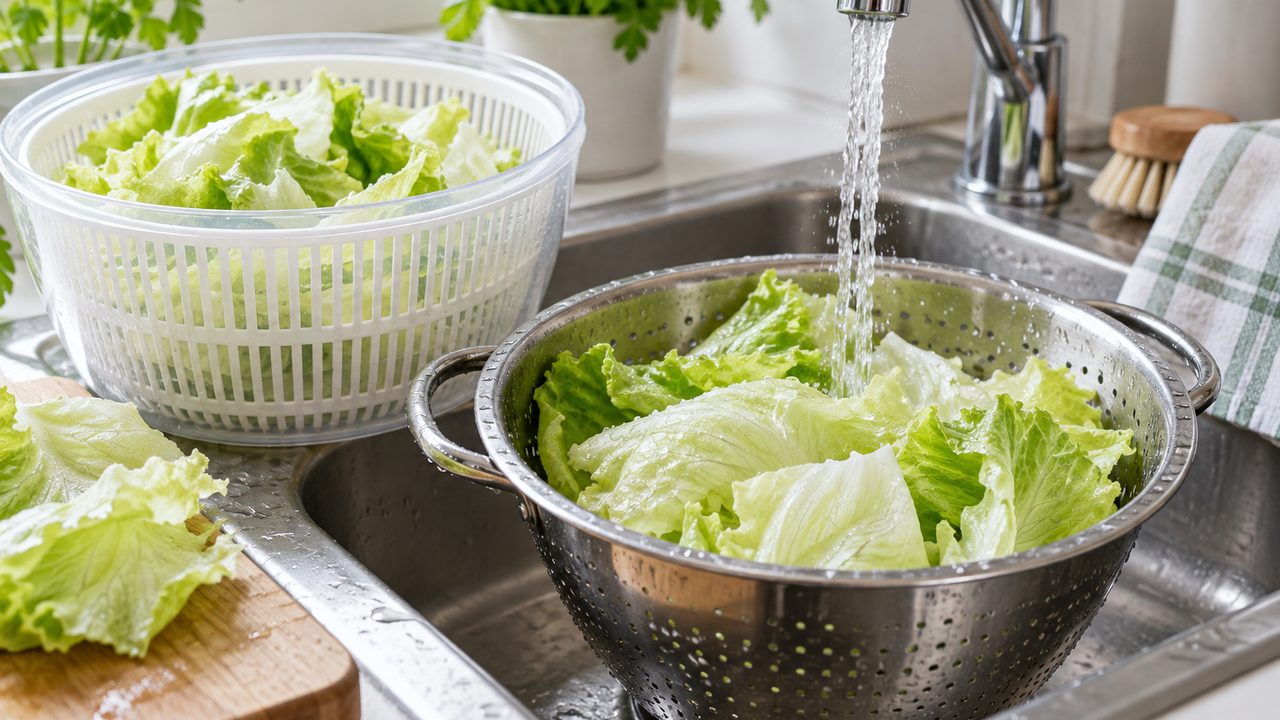
In short: The large US Cyclospora outbreak linked to iceberg lettuce has ended. What the notice means for Germany and how to prepare salad safely.
The demarcation is important for Germany: the FDA mentions a confirmed distribution of the salad affected in the United States and additional sales in Mexico. A German or European recall warning is not associated with this. Anyone who wants to check a specific product recall in this country should look for the brand, batch and the date in the official portal Lebensmittelwarm.de and not close from a US message on the entire iceberg salad in the trade. (foodwarning.de)
What the authorities now consider to be finished
The outbreak was linked to processed iceberg lettuce from a supplier in central Mexico. The voluntary recall began on 17 July. According to the FDA, the most recent known illness began on 17 August, while the use-by or best-before dates of the affected products extended only into early August. The agency therefore believes that the recalled products are no longer being sold.
‘Outbreak over’ does not mean that every cause has already been established. The FDA is still analysing samples and investigating how the contamination entered the supply chain. The findings are also intended to inform the US Cyclospora prevention plan and cooperation with the Mexican authorities. The status update therefore separates the immediate consumer warning from the continuing investigation into the cause.
What Cyclospora is – and what the numbers don't say
Cyclospora cayetanensis is a microscopically small parasite that can cause intestinal disease. According to FDA and CDC, typical symptoms are mainly watery diarrhea, loss of appetite, abdominal cramps, bloating, nausea and fatigue. Symptoms may recur after apparent improvement. If you notice appropriate symptoms after a relevant stay or consumption in the affected regions, seek medical advice and mention the possible exposure.
The 12,883 reported cases relate to this US outbreak and must not be extrapolated to Germany. They also represent confirmed illnesses, not the number of salads sold or a general risk of illness per serving. Without individual medical data, the two reported deaths do not support a blanket conclusion about how the disease may progress in other people.
Why washing helps, but is not sterilization
The thorough washing of lettuce under drinking water can remove soil and some superficial impurities. However, it does not make raw vegetables germ-free. The CDC specifically points out in Cyclospora that washing alone cannot guarantee the removal of the parasite. Heat to at least 70 degrees Celsius kills it – for a classic leaf salad, naturally, this is not a usual preparation.
The Federal Institute for Risk Assessment recommends that, regardless of this US event, raw vegetables such as salad, vegetables and fruit be thoroughly washed with drinking water before consumption. Particularly sensitive persons should clarify with medical advice whether certain raw foods should be avoided temporarily or sufficiently heated. Vinegar, lemon juice or special detergents do not replace official recall instructions.
Five meaningful steps in your own kitchen
- Check callback: In case of a warning, product name, brand, batch, package size and date count. Similar products are not affected automatically.
- Remove outer and damaged leaves: Wash the remaining leaves individually under flowing drinking water and drain.
- Prepare raw vegetables separately: cutting boards, knives and hands must not transfer germs of raw meat, eggs or dirty packaging to the salad.
- Cool and consume quickly: pre-cut salads are easily perishable. Cooling chain, packing instructions and consumption date are more important than a flat-rate stock purchase.
- Do not improvise in case of a real hit: Return or dispose of the product concerned according to the recall. Wash, sort or refill does not cancel a call back.
If you want to plan fresh salad directly, you will find ideas in the categories vegetables and vegetarian dinners at Kochzauber. For risk groups or after a specific warning, cooked dishes such as soups are often easier to adapt to individual recommendations.
What consumers can learn from the case
The most important finding is not to avoid iceberg lettuce in general. Rather, the case shows how precise recalls must be read: Supplier, origin, processing route, place of sale and time limit an event. A message from another country is valuable information, but no automatic warning for the German purchase.
At the same time, household hygiene has limits. Consumers can prevent cross-contamination and reduce visible dirt. But the safety of complex supply chains also depends on water quality, staff hygiene, processing, traceability and official monitoring. That is why the FDA is continuing its investigation even though the affected products are no longer on sale.
Conclusion: Dewarning for the concrete outbreak, open cause question
The acute US outbreak is considered to have ended, the recall is practically outdated and there is no indication of the product concerned in Germany. A general warning against iceberg salad would therefore be wrong. Thorough washing, clean separation during preparation and the view of official recall data remain meaningful.
Those who may have been exposed and develop persistent or recurrent diarrhea should not only respond with kitchen tips, but seek medical advice. For all others, the case is above all a lesson in distinguishing international headlines from local product warnings.
Sources and status
- U. S. Food and Drug Administration: Investigation of Multistate Outbreak of Cyclospora Illnesses: Iceberg Lettuce, updated on September 11, 2026.
- U. S. Food and Drug Administration: Post-Outbreak Response Activities, state of prevention and investigation on 11 September 2026.
- Centers for Disease Control and Prevention: Cyclospora Outbreak Linked to Iceberg Lettuce, background to symptoms, washing and heating.
- Bundesinstitut für Risikobewertung: Food infections in private households, general kitchen hygiene.
Author: Kochzauber editorial team. Information and last updated: 14 September 2026. This article provides general consumer information and is not a substitute for medical advice. The cover image is an editorial illustration.