Raw-oyster Salmonella outbreak: US agencies report 27 illnesses
CDC and FDA warn about specifically identified oysters from Virginia. The outbreak includes 27 illnesses, with harvest area, dates and distribution narrowed down.
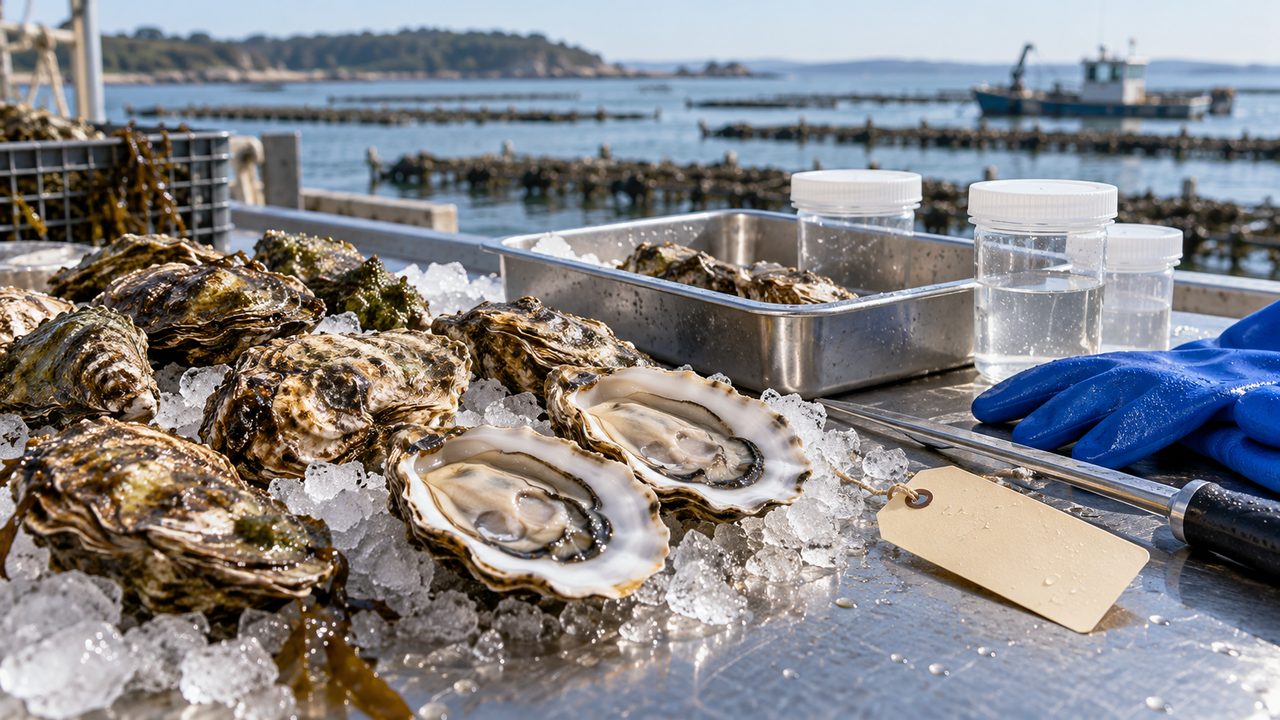
On 19 October 2026, the US Centers for Disease Control and Prevention warned of a Salmonella Telelkebir outbreak linked to raw oysters. The FDA and state agencies are investigating a cluster of 27 illnesses. The affected product is narrowly defined and comes from one Virginia company; this is not a blanket recall of all US oysters.
Which oysters are affected
The recall covers whole shellstock oysters from Little Wicomico Oyster Company, dealer number VA-1421-SP. They were harvested from 18 September through 8 October 2026 in the Little Wicomico River or Little Wicomico River Lower area of Virginia. The voluntary recall began on 9 October 2026.
The FDA says the oysters went to restaurants and retailers in 15 US states and the District of Columbia and may have been distributed further. Oysters from other Virginia harvest areas are not part of this recall, according to the agency. The affected river area was temporarily closed to shellfish harvesting.
Symptoms can begin after a delay
The current CDC notice says Salmonella symptoms usually begin 6 hours to 6 days after swallowing the bacteria. Diarrhoea, fever and stomach cramps are typical, and most people recover without treatment after 4 to 7 days. Food appearance, smell or taste cannot reliably reveal contamination.
Children younger than 5, adults aged 65 or over and people with weakened immune systems face a higher risk of severe illness. CDC advises prompt medical attention for bloody diarrhoea, high fever, persistent diarrhoea, repeated vomiting or signs of dehydration. This information does not replace individual diagnosis.
What shoppers, restaurants and travellers should do
Affected oysters must not be eaten, sold or served. CDC and FDA advise throwing them away or returning them. Items and surfaces they touched should be washed with hot soapy water or in a dishwasher. For a recalled product, cooking is not a substitute for return or disposal.
For consumers in Germany, a specific connection to the US supply chain matters, such as travel, a restaurant or imported stock. The supplier, restaurant and harvest tag can help identify a match. People who did not have oysters from the named company and harvest area should not transfer the alert to other products.
Safety check for raw and cooked oysters
- Check origin and harvest identification; during a recall, dealer, area and harvest period matter, not just the product name.
- Keep raw oysters and their liquid away from ready-to-eat food, hands and work surfaces.
- Maintain the cold chain and store oysters as directed by authorities or the business; chilling does not reliably eliminate Salmonella.
- People at higher risk should avoid raw or undercooked shellfish and follow medical advice from their health professionals.
Kochzauber collects general buying and cooking guidance under seafood, with accompaniments available through recipes by ingredient. For a specific recall, official instructions take priority over general kitchen advice.
Conclusion: narrow recall and clear action
The new CDC notice links 27 illnesses to a defined oyster dealer and harvest area. That makes the alert actionable: check identification, neither eat nor serve affected stock, clean contact surfaces and take symptoms seriously.
Precision also matters. The outbreak does not establish a general problem with every oyster from Virginia or the US. CDC, FDA and relevant states continue their investigation and may update the information.
Sources
- CDC: Salmonella outbreak linked to raw oysters, 19 October 2026
- FDA: safety alert and distribution details for recalled oysters
- Virginia Department of Health: recall notice issued 9 October 2026
Author: Kochzauber editorial team. Updated: 20 October 2026. The situation may change; current information from the named authorities takes precedence.