Nutrient-matched, differently processed: study finds a stronger insulin response
A randomised crossover study compared nutrient-matched ultra-processed and less processed meals. Acute metabolic responses differed, but the experiment cannot establish long-term health outcomes.
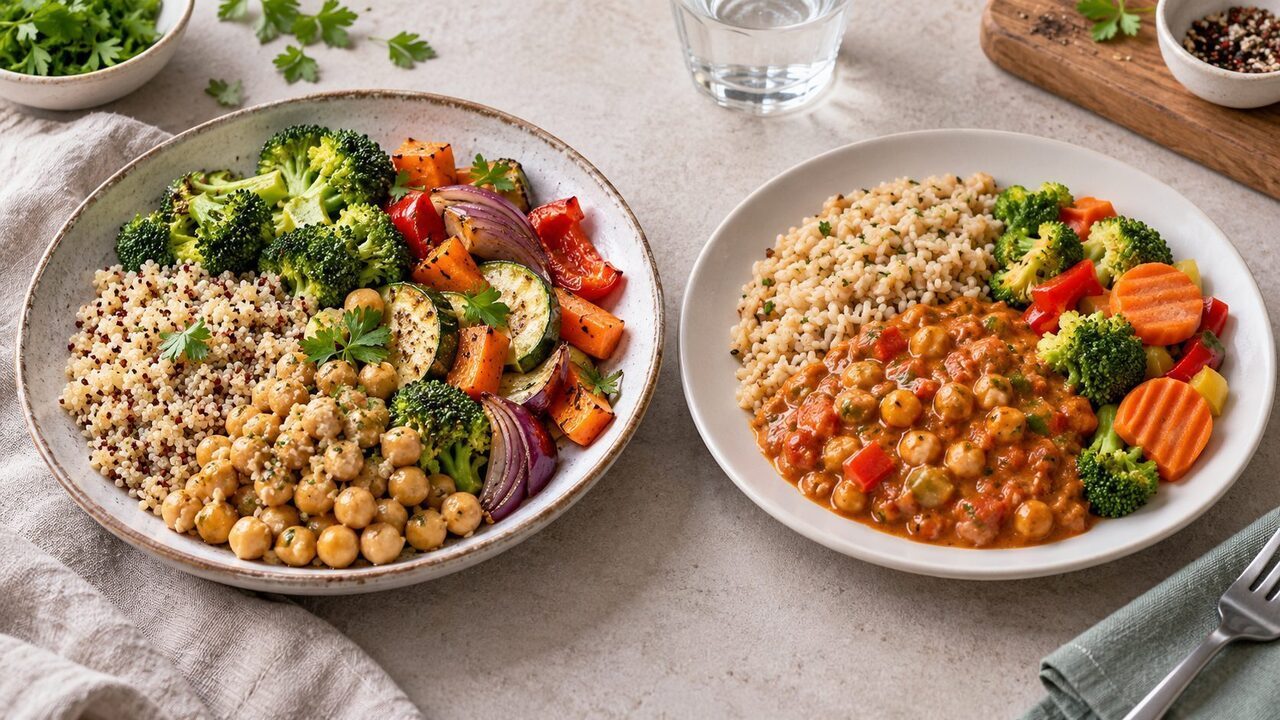
A study published on 5 October 2026 reports that even closely matched meals can trigger different acute insulin, energy and substrate responses depending on processing level. This is mechanistic evidence, not proof of long-term disease.
How the crossover study was designed
The study enrolled 57 healthy-weight adults. 32 completed both metabolic sessions in randomised order, and 52 were included in functional magnetic resonance imaging. Participants were 18 to 45 years old and had a body mass index of 18.5 to 25.
At each metabolic session, participants ate either an ultra-processed or a non-ultra-processed meal of about 300 kcal within 10 minutes. Weight, energy, energy density, macronutrients, available carbohydrate, glycaemic index and load, fibre, sodium and water were matched with no more than 1.6% deviation.
Measurements lasted 4 hours: a 50-minute baseline and 3 hours after the meal. A crossover design compares the same person under both conditions and reduces differences between people, but it does not replace a long-term trial.
What differed after the meals
Blood glucose area under the curve did not differ statistically (P = 0.92). After the ultra-processed meal, however, insulin area under the curve was greater (P < 0.001), with higher insulin from minute 40 to 120. Measured metabolic rate was also greater (P = 0.02), while the shift towards carbohydrate oxidation was attenuated.
The work therefore separates a possible role for processing and food structure more effectively than comparisons in which calories and nutrients also vary. It does not identify which individual processing step caused the difference, nor show that every NOVA-4 food behaves alike.
The brain measurements add context without overstating the result
The picture task used 28 foods, including 14 non-ultra-processed and 14 ultra-processed items. Willingness to pay did not differ, although activity patterns in visual and striatal regions and associations with metabolic measures did.
These links are relevant to research on gut–brain signalling. They do not mean that one convenience meal permanently changes the brain or inevitably causes overeating. The study assessed acute responses and was not designed to measure chronic disease outcomes.
Four limitations that matter
- The metabolic analysis involved 32 people and one meal of about 300 kcal in each condition.
- Participants were healthy-weight adults; other age, weight or health groups may respond differently.
- Data collection and analysis were not blinded to condition.
- NOVA classification remains scientifically contested; the German Nutrition Society also calls for processing, nutrition, formulation and food matrix to be assessed together.
A blanket ban is therefore not a useful everyday response. It is more practical to view frequently eaten highly processed foods within the whole diet: check ingredients and nutrition, add filling staples, and regularly plan simple meals based on vegetables, pulses, whole grains, potatoes, nuts or suitable protein sources.
Conclusion: new mechanistic evidence, not an everyday formula
The carefully matched test meals suggest that food structure and processing can shape acute metabolic responses. For shopping decisions, nutrition, ingredients, portion size and frequency together remain more informative than the label “ultra-processed” alone. Explore our recipes by ingredient and everyday meal ideas.
Sources
- Nature Metabolism: randomised crossover study, published 5 October 2026
- ClinicalTrials.gov: trial registration NCT06017986
- German Nutrition Society: context on the contested UPF classification
Author: Kochzauber editorial team. Updated: 6 October 2026. This article interprets an acute intervention study and does not replace individual nutrition or medical advice.