Tonga food taxes raised prices and reduced imports, study finds
A new evaluation of Tongan taxes on foods high in fat, salt or sugar finds higher retail prices and lower import volumes. It is not a forecast for prices elsewhere.
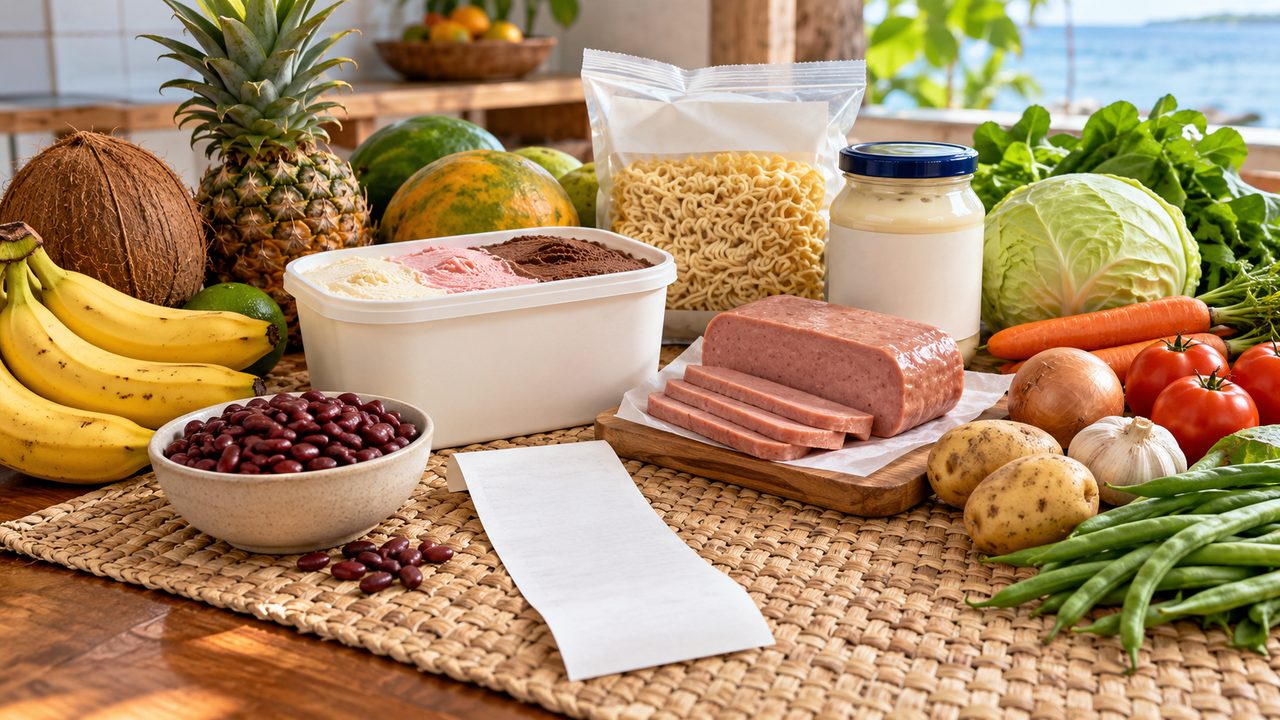
A study published on 26 October 2026 evaluated 9 tax increases in Tonga. They ranged from US$0.17/kg to US$1.08/kg and averaged 28% of the import value of the foods concerned. The researchers examined price and import responses, not the health of individual people.
A natural experiment spanning several years
The measures analysed were introduced between 2015 and 2018. They covered certain chicken pieces, mutton flaps, processed beef, sausages, instant noodles, mayonnaise and ice cream, among other items. Because Tonga imports many of these products, customs and trade records can be linked comparatively well with price series.
The researchers used interrupted time series and compared the observed post-tax development with a counterfactual projected from the previous trend. They adjusted for gross domestic product, tourism, season, exchange rates and oil prices, among other factors. That strengthens the analysis, but it does not turn it into a randomised experiment.
Prices rose, but not uniformly
In the first year after each change, prices increased for 10 of 11 observed foods. Across product groups, the average increase was 13%, with a 95% confidence interval from 5% to 21%. The wide range shows why an average does not describe any single food category.
Estimated increases for two observed chicken products were 46% and 39%. Mutton flaps and corned beef were each at 20%, ice cream at 11%, salted beef at 6% and mayonnaise at 3%. Some other estimates were not statistically conclusive.
Import volumes fell substantially
Following 8 of 9 tax increases, import volumes were below the modelled counterfactual. The average decrease was 41%, with a 95% confidence interval from 17% to 58%. Import volumes are not, however, identical to the quantities people actually ate.
The particularly large and statistically significant estimated reductions were 68% for sausages and 72% for ice cream. Some products showed signs of substitution. Local production and untaxed alternatives could not always be captured completely in the available data.
What the study does not prove for other countries
Tonga is a small island state with high import dependence, its own dietary habits and a distinctive tax structure. The effects cannot therefore be transferred as a fixed formula to retail prices in other countries. Nor does the analysis imply that every price increase is intentional nutrition policy or beneficial to health.
The World Health Organization recommends considering taxes and subsidies as part of a comprehensive policy package. Targeting, regular adjustment, affordable alternatives and equity measures all matter. A poorly designed tax can affect lower-income households disproportionately, particularly when it covers inexpensive staple foods.
Practical lessons for shoppers
- Compare unit prices and ingredient lists for processed foods instead of looking only at the pack price.
- Plan flexible substitutes for product groups that become more expensive, provided they serve the same cooking purpose and will actually be eaten.
- Combine pantry beans, lentils or peas with seasonal vegetables; the recipes by ingredient offer practical ideas.
- Build the weekly plan through the recipes by meal and buy promotions only in quantities that fit the plan.
Conclusion: a visible price effect, but health effects remain open
The Tongan taxes were passed through in part at retail on average and were associated with lower import volumes of the targeted foods. That is important evidence for nutrition policy. The analysis offers only limited answers about whether people ate better overall, which substitutes they chose and how different income groups were affected.
Sources
- Public Health Nutrition: analysis of Tongan food taxes, DOI 10.1017/S1368980026103553
- PubMed: bibliographic record and study abstract
- World Health Organization: guideline on fiscal policies to promote healthy diets
- World Bank: background report on taxation and noncommunicable diseases in Tonga
Author: Kochzauber editorial team. Updated: 27 October 2026. The study describes policy measures in Tonga and is not a forecast for German food prices.