357 potato genotypes compared for yield, quality and stability
A new field study identifies stable potato lines for breeding programmes. What that may mean for future varieties – and what matters when shopping today.
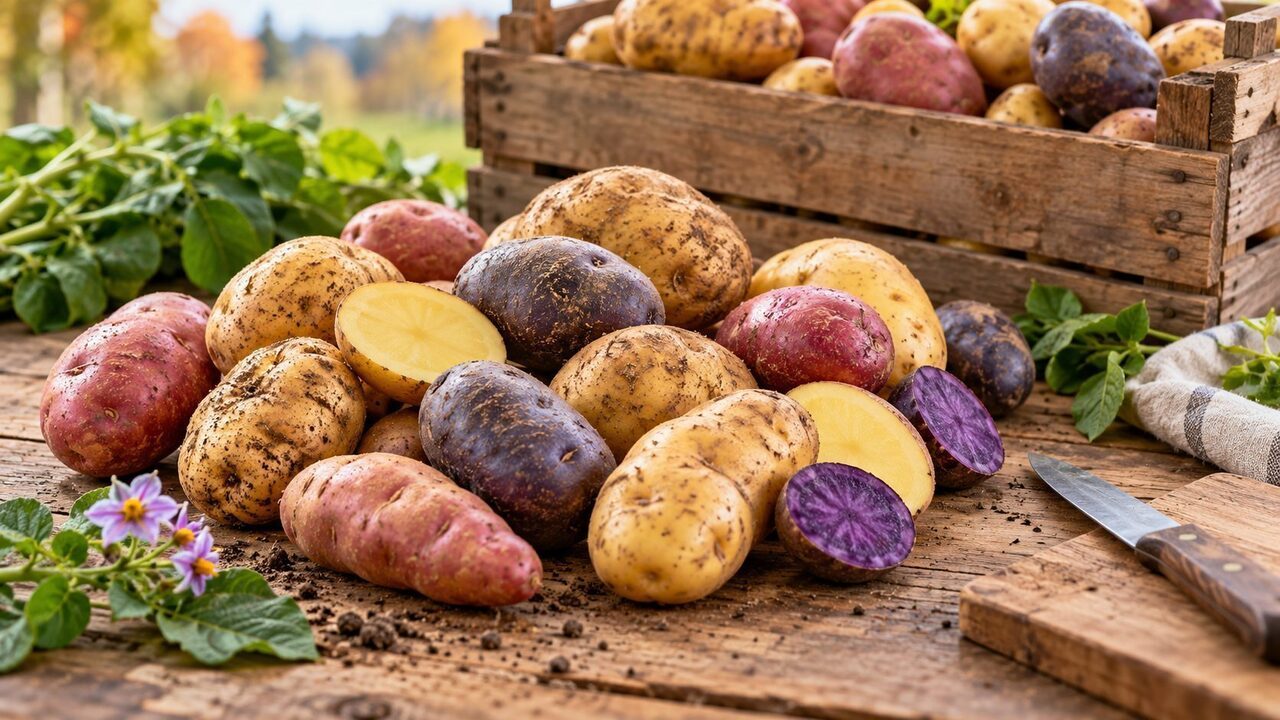
A study published on 4 October 2026 compared 357 potato genotypes for yield, quality and stability across different growing environments. Four candidates performed particularly well across several traits. That matters to breeding, but it does not mean these lines are already available in German shops.
Two years and two locations
The team at India's ICAR-Central Potato Research Institute tested released cultivars and advanced breeding lines during the 2022–23 and 2023–24 seasons at 2 locations. It recorded agronomic traits and quality measures including dry matter, specific gravity, tuber shape, skin colour and flesh colour.
Many traits differed substantially among genotypes. Phenotypic variation was also generally greater than genetically explained variation, indicating environmental influence. A high yield of marketable tubers was positively associated with total yield, whereas higher dry matter was negatively associated with yield traits in this dataset.
Which lines stood out
The first 4 principal components explained 84.50% of the total recorded variation. Further stability analyses aimed to identify genotypes that performed well at more than one site. CP2390, CP3412, Kufri Sadabahar and CP2086 were named as particularly interesting ideotypes for further breeding.
Here, ideotype means a favourable bundle of traits, not automatically a new top variety. Further trials, multiplication, registration questions and assessment in other regions come before broad use. Results from Indian trial sites cannot be transferred one-for-one to European soils, climates or market requirements.
Why diversity matters for an affordable staple
Potatoes must deliver different qualities for different uses: yield, storability, tuber shape and cooking properties matter alongside field resilience. A broad genetic base gives breeders more options for combining those goals and responding to varied environments.
The consumer benefit is indirect. More stable varieties may support reliable supplies over time, but one field study cannot promise lower prices. Costs also depend on harvests, storage, energy, grading, packaging, retail and regional demand.
Practical points when buying potatoes in October
- Choose by cooking type: waxy for salads or frying, floury for mash and soup, and all-purpose potatoes for many everyday dishes.
- Compare the unit price and pack size; a large sack only saves money if it can be used under your storage conditions.
- Select firm, dry tubers without sprouts, rot or extensive green areas.
- Store potatoes in a dark, cool, dry and ventilated place; buy smaller quantities if the kitchen is warm.
Germany's Federal Centre for Nutrition lists late domestic potatoes as freshly available from August to October/November. These varieties are often suitable for storage. Green areas and sprouts should be removed generously; heavily green, bitter or heavily sprouted tubers should not be eaten.
Conclusion: breeding progress needs diversity and time
The study provides a large comparison and four candidates for further work. It is one step in breeding, not an immediate change on supermarket shelves. Cooking type, quality, storage and the actual unit price remain decisive in the kitchen. Explore our potato recipes and everyday meal ideas.
Sources and update
- Thakur et al., Scientific Reports: diversity, stability and quality of potato genotypes, published on 4 October 2026.
- German Federal Centre for Nutrition: potatoes from shopping to the kitchen, updated on 24 February 2026.
- German Federal Centre for Nutrition: buying, storing and preparing potatoes.
Author: Kochzauber editorial team. Information updated on 5 October 2026. The study tested Indian breeding material and does not support a price or yield forecast for Germany. The cover is an editorial symbolic image.