Meat alternatives in a model: climate gains meet nutrient trade-offs
A new Nature Food study models plant-based meat alternatives through 2100. It finds substantial climate potential alongside trade-offs for zinc and vitamin B12.
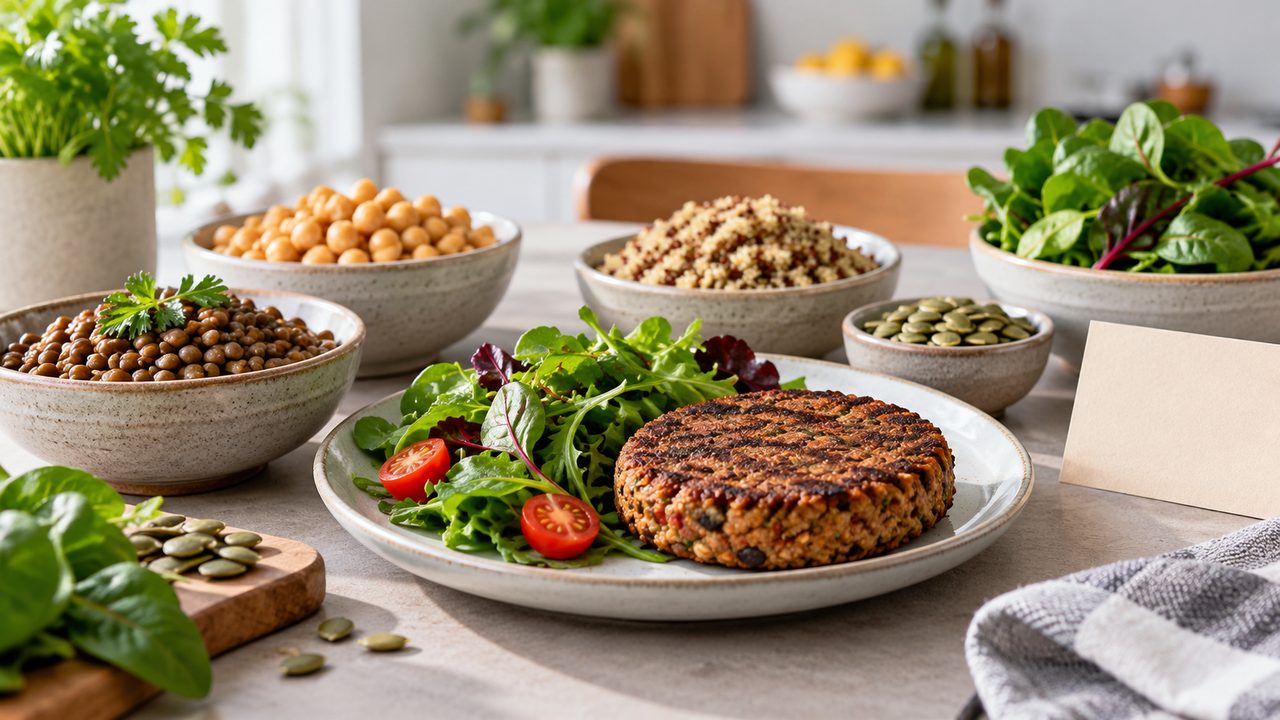
A modelling study published in Nature Food on 21 October 2026 examines how broad adoption of plant-based meat alternatives could change land use, greenhouse-gas emissions and micronutrient supply through 2100. Its conclusion is not a simple good-or-bad verdict: outcomes depend on which animal foods are replaced and how the alternatives are formulated.
What the model shows
The researchers linked plant-based meat alternatives to the global MAgPIE land-use model. In a scenario replacing 75% of livestock products, modelled emissions from agriculture, forestry and other land use in 2100 were approximately 65% below the baseline. At the same time, the risk of inadequate supply of certain micronutrients increased.
The order of substitution matters. Replacing ruminant meat alone achieved nearly half of the maximum emissions-reduction potential, according to the study, with comparatively small nutritional costs. As more livestock product groups were replaced, additional environmental benefits grew more slowly while risks became clearer, particularly for zinc and vitamin B12.
A model for 2100, not an individual meal plan
This is a global scenario analysis. It neither measures the health of individuals nor proves that every retail alternative causes a particular outcome. Assumptions about population, diets, agriculture and product composition extend far into the future, and regional starting points differ greatly.
The authors therefore stress targeted rather than blanket substitution. Regions with high livestock-related emissions may have different room to act from regions where micronutrient inadequacy is already widespread. Fortification and bioavailability also determine whether a nominally similar nutrient amount can actually be used in a comparable way.
Turning the findings into shopping choices
- Check more than the protein number: read the ingredients, protein and salt values, plus added vitamin B12 and zinc together.
- Do not equate meat substitutes with plant-based cooking as a whole; pulses, whole grains, nuts, seeds and vegetables remain distinct building blocks.
- Secure vitamin B12 reliably on a vegan diet; the DGE also identifies iodine, zinc, iron, calcium and vitamin D among the nutrients needing particular attention.
- Plan variety, because one burger or sliced product does not determine the quality of an entire week.
For kitchen practice, Kochzauber's recipes by ingredient help combine pulses, vegetables and whole grains deliberately. Its recipes by meal make it easier to decide when a substitute is convenient and when a less processed protein source fits better.
What a clean label cannot answer
A short ingredient list alone does not show whether critical nutrients are present in a suitable amount and available form. Conversely, fortification is not automatically a quality defect. A useful comparison considers the nutrition panel, ingredients and the product's role in the complete diet.
The DGE notes that highly processed plant products rich in salt, fat or sugar are not automatically preferable to the animal products they imitate. The new model adds a broader lesson: climate impact and nutrient quality need to be assessed together.
Conclusion
Plant-based meat alternatives can deliver substantial climate and land-use gains in the model. The greatest value, however, does not come from blindly replacing every animal product. Targeted substitution, improved formulations and an overall varied diet are the more convincing lessons from the study.
Sources
- Nature Food: modelling study on meat alternatives, published 21 October 2026
- Springer Nature Research Communities: authors' explanation and scenario values
- German Nutrition Society: questions and answers on plant-based diets
Author: Kochzauber editorial team. Updated: 22 October 2026. This is a global modelling study, not individual dietary advice.