Nutrition labelling in Japan: large study finds gaps between knowledge and use
A new analysis of 60,000 respondents finds that nutrition information is used more often, while understanding and awareness did not move in parallel.
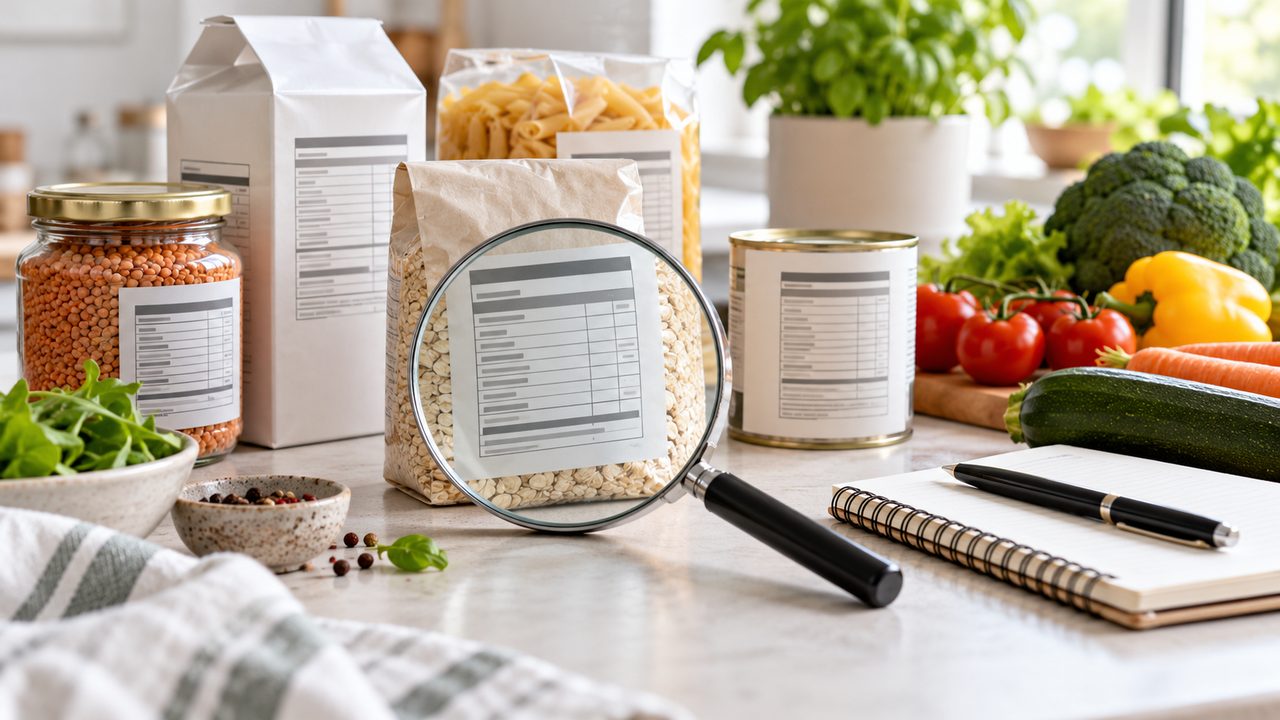
A study published on 19 October 2026 analyses the annual Consumer Opinion Survey run by Japan's Consumer Affairs Agency. It covers data from 2018 to 2023 and a total of 60,000 adults. The researchers examined awareness of nutrition information, self-reported understanding and use during food shopping.
Women more often reported awareness, understanding and use
After statistical adjustment, women had higher odds than men of noticing nutrition information (odds ratio 1.28), understanding it (1.27) and using it while shopping (1.44). People reporting diet-related conditions also scored higher in all three areas.
Odds ratios describe associations, not causes. The cross-sectional data cannot show whether a label changes purchasing or whether people already interested in nutrition read it more often. Understanding and use were also reported in a survey rather than observed at real checkouts.
Age and time trends did not move uniformly
Awareness was lower among people in their 20s to 50s, while understanding and use were particularly weaker among those aged 70 and over. At the same time, use was higher in the 30s to 50s groups. This argues against a simple split between young and old good label readers.
From 2018 to 2023, reported use increased while awareness and understanding decreased. More use therefore does not automatically mean better interpretation. The authors identify men, older adults and people without reported diet-related disease as potential target groups for clearer information.
What shoppers in Europe can take from it
The Japanese percentages and associations cannot be transferred directly to Germany or the EU because labelling rules, products and shopping habits differ. The practical point remains relevant: a table helps only when the reference quantity, serving and relevant nutrients are understood.
- Compare values per 100 g or 100 ml first, rather than different manufacturer serving sizes.
- Read sugars, saturates and salt in the context of the whole product.
- Use the ingredient list and nutrition table together; front-of-pack marketing replaces neither.
- For similar products, compare the same nutrient and reference quantity instead of judging isolated numbers.
Kochzauber's recipes by ingredient and recipes by meal offer a practical next step for meal planning. In the EU, a nutrition declaration is mandatory for many prepacked foods; it is a comparison tool, not a complete verdict on a product.
Conclusion: use alone is not enough
The large Japanese analysis highlights a useful tension: people may use nutrition information more often without awareness and understanding rising alongside it. Shoppers benefit from consistently comparing per 100 g or 100 ml. Authorities and manufacturers still need to make mandatory information legible, easy to find and free from misleading front-of-pack messages.
Sources
- BMC Nutrition: original study, published 19 October 2026
- Consumer Affairs Agency Japan: food-labelling information
- European Commission: nutrition-labelling requirements
Author: Kochzauber editorial team. Updated: 19 October 2026. The study reports associations in self-reported data and does not prove the effect of any single label.