Fresh food cheaper, potatoes dearer: how to plan now
The new AMI Fresh Food Index reports prices 1.3 % lower than a year ago in October. Potatoes are simultaneously 24.9 % higher. A kitchen plan uses the gaps rather than the average alone.
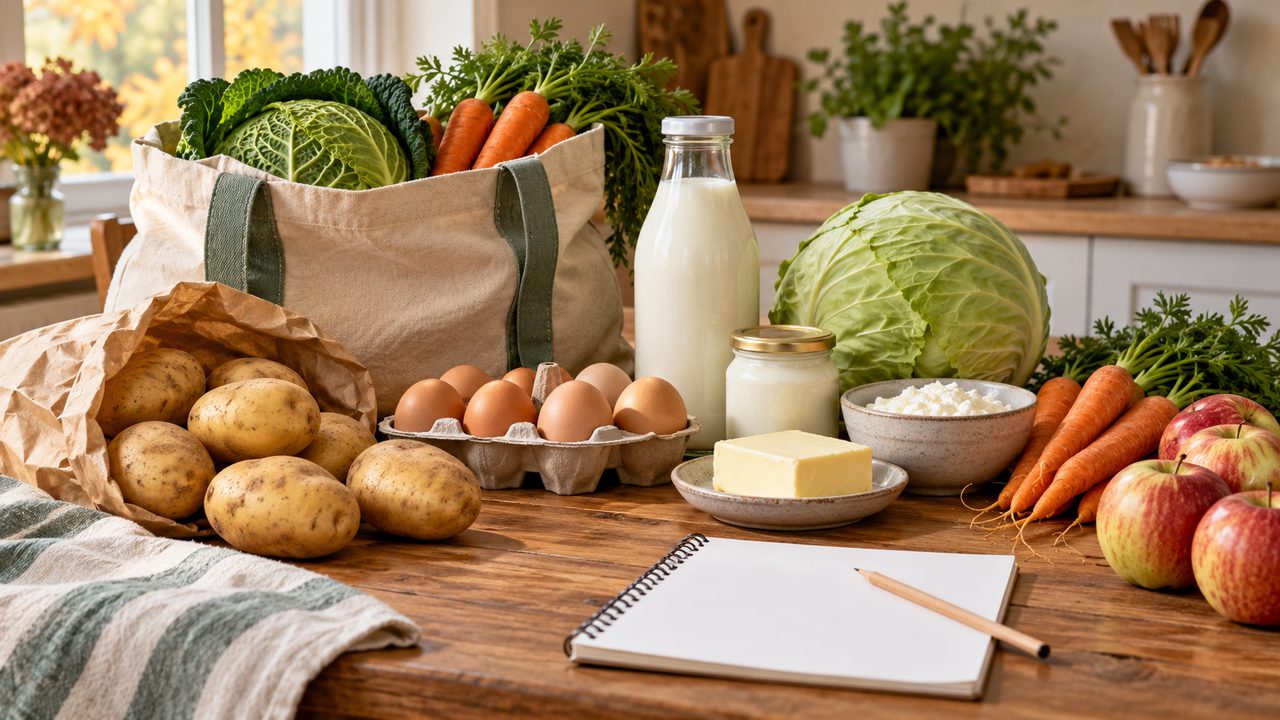
Fresh food cost an average of 1.3 % less year on year in the AMI Fresh Food Index during the first three and a half weeks of October 2026. That average conceals sharp contrasts: potatoes were 24.9 % above the previous year's level, while dairy products pulled the overall index down. Saving therefore calls for flexible meals and a quick check in the local shop, not a rigid basket.
What the new Fresh Food Index shows
Agrarmarkt Informations-Gesellschaft published its October analysis on 29 October 2026. Fresh beef was 1.1 % cheaper year on year, while processed meat and sausages were 3.2 % lower. Potatoes, by contrast, recorded the highest fresh-food inflation rate at 24.9 %. The figures cover the first three and a half weeks of October, not every item in every store.
Germany's official September picture only partly matches. Destatis reported food prices 0.4 % above the previous year. Eggs rose by 15.2 % and fresh vegetables by 12.0 %, while dairy products were 5.5 % cheaper. Different periods, product baskets and methods mean the two sources should not be read as identical shopping lists.
Turn price differences into a weekly plan
Start with three functions rather than one fixed recipe: a filling staple, seasonal vegetables and a protein source. If potatoes are expensive, rice, pasta, bread or pulses can take their place depending on offers. Cheaper dairy can go into bakes, dips or soups; when eggs stand out, beans, lentils, curd cheese or leftovers can provide an alternative.
For October, the consumer advice centre lists cabbages, carrots, pumpkins, leeks, parsnips, beetroot, celery, apples and pears among seasonal produce. Seasonal does not automatically mean the lowest price, but it widens the pool of alternatives. Compare unit prices, origin and condition rather than promotional signs alone.
Four rules against costly mistakes
- Plan two flexible main meals whose vegetables and staple can be swapped.
- Check the pantry, fridge and freezer before shopping and use opened packs first.
- Compare price per kilogram and edible share; bulk packs save only when fully used.
- Do not ban expensive items across the board; reduce the amount and combine them with cheaper ingredients.
Practical kitchen ideas for this week
A cabbage stew can use white cabbage, savoy or kale with lentils, beans or a little meat. Tray-baked vegetables work with carrots, beetroot, pumpkin and onions, accompanied by bread or grains. Dairy offers can become herb dip, leftover sauce or a small bake. Apples and pears are versatile in sweet dishes.
Let recipes follow the shop, not the other way round. Use recipes by ingredient when a low-priced vegetable is the starting point, and recipes by meal when you need a soup, main course or leftover idea. After shopping, note only the two or three biggest price changes; that is usually enough for the next plan.
Conclusion: an average is not a shopping list
The 1.3 % decline in fresh-food prices is a useful snapshot, not a promise for every household. Potatoes, eggs and vegetables may still strain budgets while other groups become cheaper. A flexible plan, seasonal choice, unit-price comparison and consistent use of leftovers provide the most control.
Sources
- AMI: Fresh Food Index for the first three and a half weeks of October 2026
- Destatis: consumer prices in September 2026
- German consumer advice centre: seasonal vegetables and fruit in October
- German Federal Centre for Nutrition: seasonal calendar and shopping
Author: Kochzauber editorial team. Updated: 30 October 2026. Prices vary by region, shop, brand, pack size and survey date.