FDA annual report: what 69 assessed food incidents reveal
FDA has published its 2025 overview: 69 incidents were evaluated, 26 responses began and 11 consumer advisories were issued. Here is what those figures do—and do not—mean.
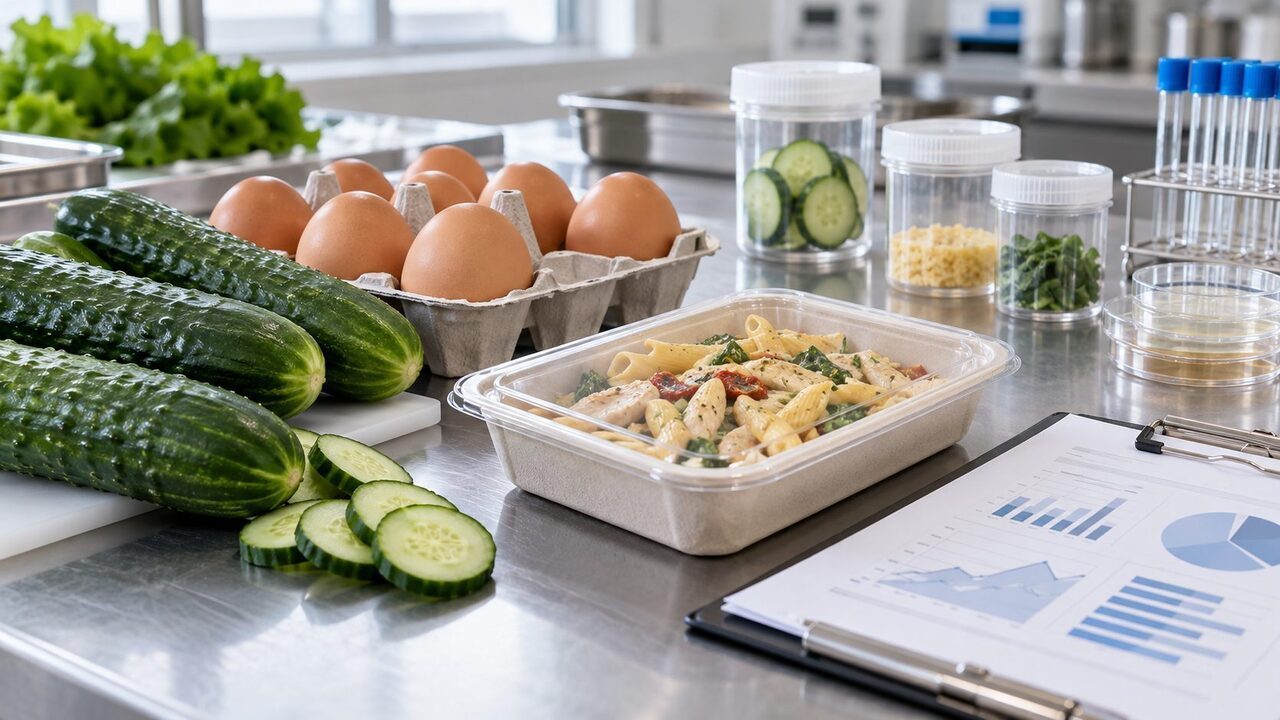
On 6 October 2026, the US Food and Drug Administration published its CORE+EP annual report for 2025. It shows how suspected signals can lead to targeted investigations, recalls and advisories—but it is neither a list of every illness nor a current warning for Germany.
69 evaluations, 26 responses, 11 advisories
During calendar year 2025, FDA’s team evaluated 69 potential outbreaks, confirmed outbreaks or selected adverse events. 26 incidents were transferred to a response team and 11 produced public advisories. For comparison, the agency reports 72 evaluations, 26 responses and 10 advisories for 2024.
The stages are not interchangeable. An evaluation reviews signals; a response begins when an FDA-regulated food appears to be a plausible cause. A public advisory is issued only when specific actionable information exists for consumers. An investigated incident may therefore close without an advisory.
Which foods appear in the report
Actions initiated in 2025 involved cucumbers, eggs, frozen shakes, ready-to-eat foods, prepared pasta meals, pistachio cream, moringa powder and infant formula, among other products. Salmonella, Listeria monocytogenes and infant botulism are named as causes in selected incidents.
The cucumber investigation is especially instructive: follow-up sampling after an earlier outbreak found a matching Salmonella strain and accelerated the response. The report also describes a Listeria outbreak dating back to 2018 that was solved in 2025 through delivery records and laboratory samples.
Limits of the annual figures
The statistics cover FDA-regulated human food in the United States. Shellfish events, fish intoxications and animal-feed incidents are handled by other programmes; products overseen by the US Department of Agriculture are not fully included either. One incident may also span several years.
The counts measure response work, not an individual shopper’s risk. They cannot be transferred directly to the German market. For a specific product, the current notice, brand, lot number, date mark and sales area are what matter.
Practical lessons for consumers
- Read official recalls in full and neither eat nor pass on an affected product.
- Clean refrigerators, boards and equipment after recalled food contact as directed by authorities.
- Separate raw food from ready-to-eat food, cook appropriately and chill promptly.
- Seek medical advice for relevant symptoms and a possible product link, keeping package details available.
These steps do not replace product-specific instructions. If an authority requires return or disposal, further cooking is not an alternative. Without a specific recall, the annual report alone is no reason to discard all eggs, cucumbers or prepared meals.
Conclusion: transparency from signal to advisory
The new report shows why every signal does not immediately become a public warning and how follow-up checks can clarify earlier outbreaks. Precise recall details and clean kitchen routines remain decisive. Browse our recipes by ingredient and meal ideas for practical cooking inspiration.
Sources
- FDA: CORE+EP annual report announcement dated 6 October 2026
- FDA: full CORE+EP annual report for 2025
- FDA: consumer food-safety tips during outbreaks
Author: Kochzauber editorial team. Updated: 7 October 2026. This article explains a US agency report and does not replace a current recall notice.