Euro-area food prices: fresh products rise much faster
Final Eurostat data reveal a clear divide: unprocessed food became considerably more expensive in September than processed products.
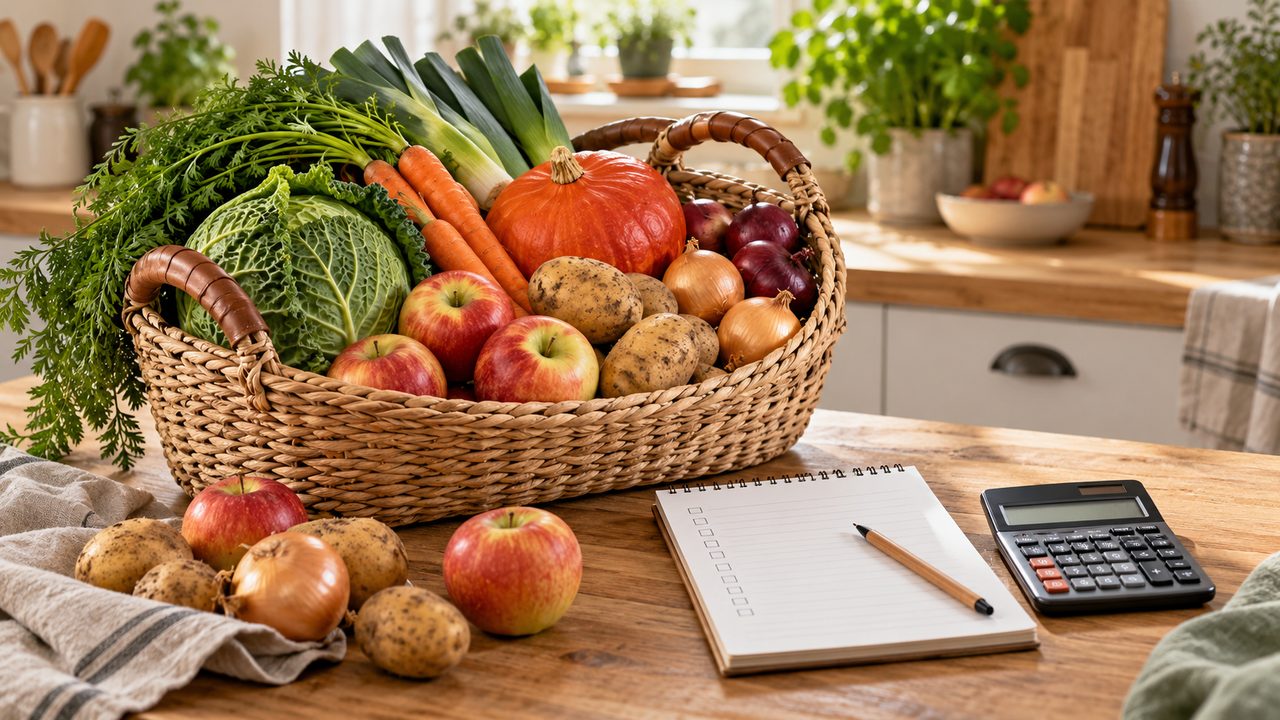
On 16 October 2026, Eurostat published the final inflation data for September. Overall euro-area inflation stood at 3.8%, while the combined food, alcohol and tobacco group was at 1.3%. Developments within that group were very different: unprocessed food rose by 4.0%, whereas processed food including alcohol and tobacco rose by only 0.4%.
What the final figures show
The harmonised euro-area inflation rate increased from 2.2% in September 2025 and 3.2% in August 2026 to 3.8% in September 2026. Consumer prices rose by 0.6% from the previous month. Food, alcohol and tobacco were 1.3% higher year on year and 0.1% higher month on month.
This aggregate is not a food-only index because it includes alcohol and tobacco. It also cannot show how individual products changed in a particular supermarket. The figure describes the broad direction; it is not a forecast for a household's own receipt.
Processing hides the important divide
Unprocessed food was 4.0% above the previous year's level and 1.2% above August. For processed food including alcohol and tobacco, the changes were only 0.4% year on year and -0.3% month on month. Fresh products exposed to seasonal swings therefore placed more upward pressure on the food component.
That does not mean ready-made products are generally cheaper. These categories contain very different goods, pack sizes and quality levels. For households, the unit price per kilogram or litre is more useful than a single inflation rate. Promotions and harvest seasons can also change the relationship in shops at short notice.
How to make a weekly plan more resilient
- Check the season first: cabbage, squash, carrots, apples, potatoes and onions are often plentiful in autumn.
- Compare unit prices: only the price per kilogram or litre makes different pack sizes comparable.
- Plan flexible dishes: soups, tray bakes, stews and casseroles can use whichever vegetables offer the best value.
- Include existing supplies: a quick check of the fridge and pantry prevents duplicate purchases and food waste.
Kochzauber's recipes by meal and recipes by ingredient can help with planning. The German Federal Centre for Nutrition's seasonal calendar offers extra guidance but cannot replace checking local prices.
Why averages do not explain every shopping basket
Inflation rates measure changes in a representative basket. Someone buying a large share of fresh fruit, vegetables, meat or fish may experience a different pattern from a household relying mainly on shelf-stable staples. Country, region, retailer and shopping time matter too.
A small personal sample is therefore useful: record the unit prices of the ten most important products regularly and note possible substitutes. This reveals faster than the headline index where changing brand, pack size or ingredient genuinely saves money.
Conclusion: watch fresh-food prices closely
Eurostat's final data do not show the same price surge across all food. They point chiefly to stronger pressure on unprocessed products. A seasonal and flexible meal plan can cushion that volatility. Unit price, real need and using food already bought remain decisive.
Sources
- Eurostat: final September 2026 inflation data, published 16 October 2026
- German Federal Centre for Nutrition: seasonal calendar for fruit and vegetables
- German consumer advice centres: guidance on saving money in supermarkets
Author: Kochzauber editorial team. Updated: 17 October 2026. Average figures cannot replace a price comparison in the individual shop.