Italy makes 69% of EU pasta: what matters when shopping
New Destatis data show Italy's large share of EU pasta production and Germany's preference for egg pasta. Here is a practical shopping and pantry guide.
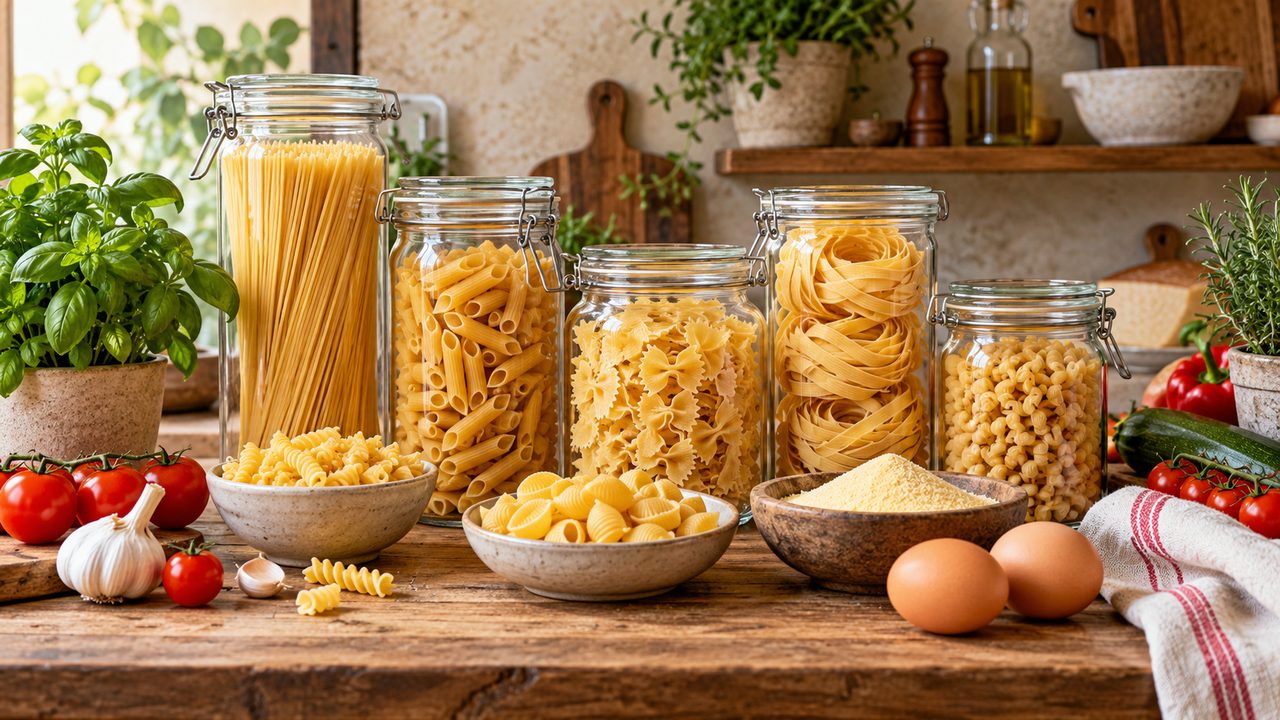
Italy produced just over 4.2 million tonnes in 2025, equal to 69% of the EU's roughly 6.1 million tonnes of sold pasta production. Destatis reported the figures on 20 October 2026 using Eurostat data. The statistics also show striking differences in egg content and offer a useful prompt to check variety, ingredients and the amount actually needed when shopping.
Italy leads by a wide margin
Spain followed with 379,000 tonnes or 6%. Germany ranked third with just over 304,000 tonnes, or 5%. These figures describe sold production in each country, not consumption, the origin of every pack in German shops or current retail prices.
The data cover uncooked, otherwise unprepared and unfilled pasta. The harmonised PRODCOM scope uses product code 10731130 for pasta containing egg and 10731150 for egg-free pasta. Fresh filled pasta, ready meals and restaurant portions are therefore not automatically included in the same figure.
Germany produces an unusually high share of egg pasta
In Germany, 46% of the pasta volume produced contained egg. The share was 17% in Italy and 2% in Spain. Across the EU, 18% contained egg and 82% was egg-free. Egg-free does not automatically mean vegan: the ingredient list and any other components remain decisive.
Egg content is first of all a production statistic, not a quality ranking. Egg noodles and durum-wheat pasta have different recipes and cooking properties. Intended use, taste, ingredients, pack size and unit price therefore matter more to shoppers than the country of production alone.
Making pasta a flexible pantry staple
- Compare the unit price per kilogram, but buy only amounts that can be stored dry and protected from pests.
- Read the ingredients when egg, vegan labelling or allergens matter in the household.
- Plan sauce and vegetables around leftovers already available instead of buying new speciality ingredients for every pasta dish.
- Choose shapes for the dish: short pasta for skillets and salads, long pasta for suitable sauces; a higher price does not automatically mean a better fit.
Kochzauber's recipes by ingredient help combine pasta with vegetables, cheese or pulses already on hand. Its recipes by meal make it easier to plan one larger batch of sauce across several days without serving exactly the same dish.
Cooking and storage without waste
Germany's Federal Centre for Nutrition gives a rule of thumb of 1 litre of water per 100 grams of pasta; 500 grams serves 4 to 6 people as a main meal, depending on appetite. Oil in the cooking water does not reliably prevent sticking and may make sauce adhere less well. Enough water and occasional stirring matter more.
Dried pasta belongs in a cool, dry and dark pantry. Once opened, packs can be transferred to tightly closing containers to protect them from moisture and pantry pests. Cooked pasta should be cooled promptly, refrigerated and deliberately reused in a salad, bake or skillet dish.
Conclusion
The new statistics mainly show concentrated European production and different pasta traditions. They do not provide a price judgement for households. Flexible budget cooking comes from comparing unit prices, checking ingredients, storing pasta dry and planning sauce, vegetables and leftovers at the same time.
Sources
- Destatis: 69% of pasta in the EU is made in Italy, 20 October 2026
- Eurostat: PRODCOM database for sold pasta production
- German Federal Centre for Nutrition: cooking pasta, quantities and method
Author: Kochzauber editorial team. Updated: 22 October 2026. Production volumes are not price or consumption statistics.