Bio-based plastic packaging: EU examines possible new rules
The European Commission is gathering evidence on bio-based plastic packaging. Consumers should still separate bio-based, compostable and PFAS-free claims.
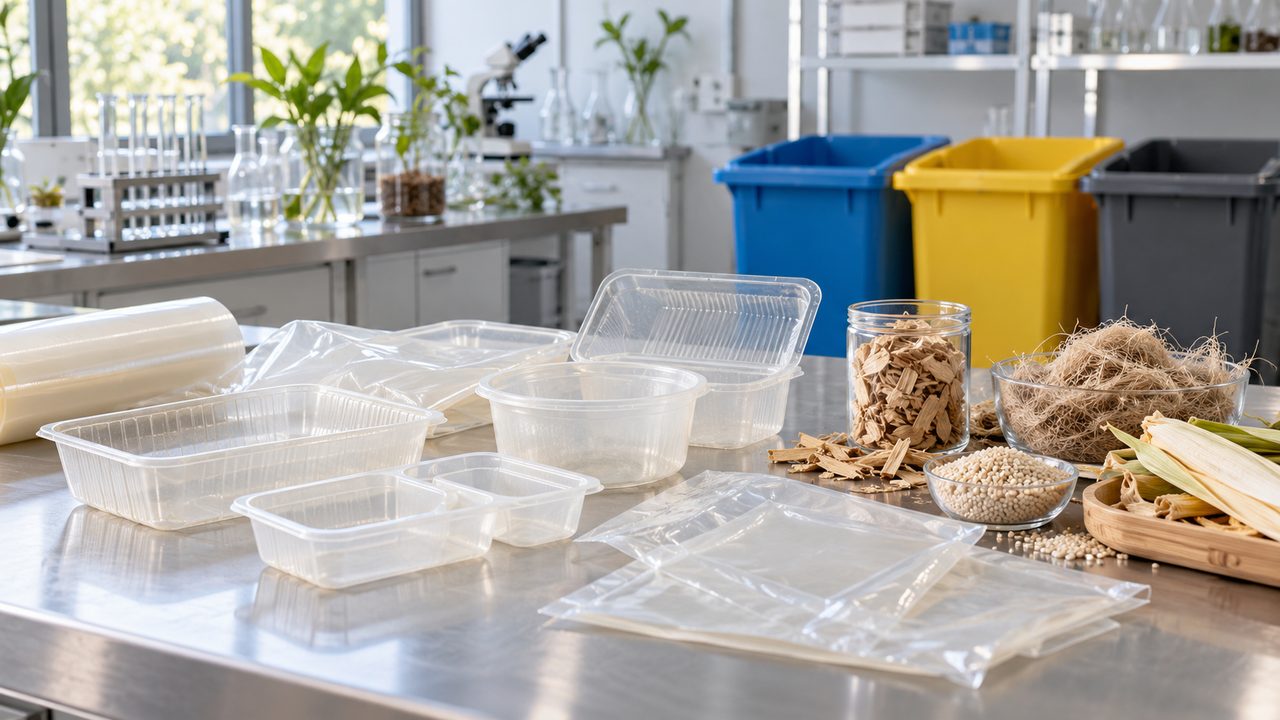
The European Commission launched a public consultation on bio-based feedstock in plastic packaging on 21 October 2026. Citizens, associations, authorities, manufacturers, food businesses and waste operators can submit experience and evidence until 13 January 2027. The results may later inform a legislative proposal; the consultation itself creates no new mandatory quotas.
What the EU is asking about
The consultation forms part of the review under Article 8 of the Packaging and Packaging Waste Regulation, or PPWR. The Commission wants to assess technological development, environmental performance, feedstock availability, sustainable sourcing and suitable recycling routes. Possible demand measures or targets for bio-based content are also under discussion.
The question covers plastic packaging broadly, including food-contact applications. It does not change the PPWR's core goals: less packaging waste, more reuse and recycling, and packaging designed to be recyclable in an economically viable way by 2030.
Bio-based describes origin, not end of life
Bio-based plastic is made fully or partly from biological rather than fossil resources. That does not automatically make the packaging biodegradable or compostable. Conversely, biodegradable plastics may include fossil-based material. The EU therefore warns against using the broad term bioplastic without more detail.
Compostable plastics are a subset of biodegradable plastics and often need controlled conditions in industrial facilities. They must be collected separately if the intended route is to work. A green image or the word plant-based is therefore not enough reason to place packaging in a bio-waste bin.
PFAS-free is a separate product property
Feedstock origin also says nothing about PFAS. Bio-based packaging is not automatically PFAS-free, and PFAS-free packaging does not have to be bio-based. The PPWR restricts PFAS above certain thresholds in food-contact packaging; the new consultation instead concerns the share and sustainability of bio-based feedstock.
Food businesses must also consider barrier performance, migration, hygiene, shelf life and the disposal route actually available. A material change should not be judged solely by an origin claim. Packaging that protects food less effectively or cannot be recovered locally can create new disadvantages.
Four questions for checking packaging
- What share of the plastic is bio-based, and is a traceable feedstock source identified?
- Is the packaging recyclable, industrially compostable or biodegradable only under specified conditions?
- Which local disposal route is intended, and do the pack instructions match municipal collection?
- Is there a concrete statement about food contact and PFAS rather than a broad sustainability claim?
When shopping, read packaging promises separately from the food itself. Kochzauber's recipes by ingredient help use food already at home completely. Its recipes by meal make larger packs sensible only when the contents will actually be used.
Conclusion
The EU consultation is an early policy step, not a new quality seal. It may clarify when bio-based feedstock provides a measurable packaging benefit and which requirements are needed. For now, consumers should assess origin, degradability, recycling, food contact and PFAS as separate questions.
Sources
- European Commission: consultation on bio-based plastic packaging, 21 October 2026
- European Commission: framework for bio-based, biodegradable and compostable plastics
- European Commission: PPWR, packaging waste and 2030 objectives
Author: Kochzauber editorial team. Updated: 22 October 2026. The consultation is not yet a legislative proposal or product certification.