Cowpea in soup powder raises protein, iron and zinc in a laboratory study
A new study combines African eggplant with cowpea or groundnut flour. A 30% cowpea formulation produced the largest gains in protein, iron and zinc, with important limitations.
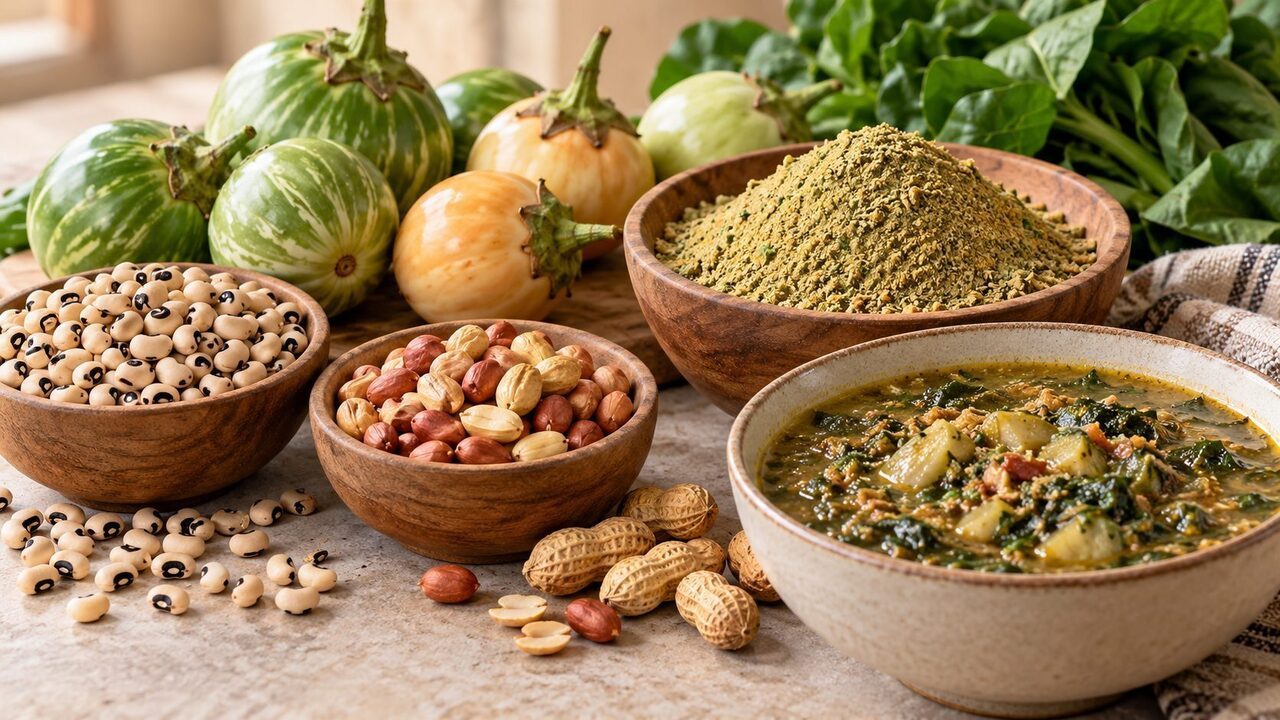
A study published on 5 October 2026 examines how cowpea and groundnut flour can improve the nutritional profile of a traditional African eggplant soup powder. The results are promising but come from a single laboratory processing batch.
Six formulations at two drying temperatures
Researchers compared a control made from 100% African eggplant powder with additions of 10%, 20% or 30% cowpea flour or groundnut flour. Products were dried at 60 or 70 °C, creating a 2 × 6 experimental design.
They measured protein, fat, iron, zinc, water and oil absorption and sensory acceptance of the reconstituted soup. Crucially, each treatment came from one processing batch and was analysed in triplicate. The authors therefore describe the findings as preliminary and indicative.
The 30% cowpea formula led on several nutrients
The mixture containing 30% cowpea flour and dried at 60 °C increased crude protein by 46.0% compared with the control. Iron rose by 61.7% and zinc by 67.5%. On a total-content basis, 100 g supplied a calculated 49% of the recommended iron intake and 52% of the recommended zinc intake for adult women.
Those percentages do not show how much the body would absorb. The study itself notes that phytate can bind minerals and that the bioaccessible amount is likely to be substantially lower. It included neither a digestion model nor a human trial.
Groundnut changed fat content and functionality
The formula with 30% groundnut flour had the highest fat content at 16.57% and the highest oil absorption at 2.23 g/g. That may matter for mouthfeel and processing, but it does not by itself make the whole formulation nutritionally better or worse.
Groundnut is also a major allergen. Any future product would require clear labelling and robust controls against unintended cross-contact. The laboratory study did not assess industrial scaling, storage stability or allergen management.
What this says about additional plant-protein sources
- FAO data list about 23 g protein per 100 g of dry cowpea seeds, which can also be milled into flour.
- Combining a pulse with a familiar dish can use plant ingredients without requiring a completely new eating format.
- Higher nutrient concentration does not replace tests of bioavailability, portions, shelf life and preparation.
- For home cooks, this paper is not a tested recipe; dry cowpeas must be cooked correctly like other dried pulses.
The approach is particularly relevant where cowpeas and African eggplants are available and culturally established. It cannot automatically be transferred to German ingredient prices, availability or dietary guidance.
Conclusion: strong laboratory values, not yet a finished product
The 30% cowpea mixture combined more protein with higher measured iron and zinc and remained broadly acceptable in sensory testing. Independent batches and bioaccessibility, storage and real-world tests are needed before it becomes a robust nutrition solution. Browse our recipes by ingredient and meal ideas.
Sources
- Journal of Food Processing and Preservation: primary study published 5 October 2026
- FAO: Compendium of Forgotten Foods with cowpea composition data
- WHO: principles for a varied, nutrient-dense diet
Author: Kochzauber editorial team. Updated: 6 October 2026. This article describes a preliminary food study and makes no treatment or health claims.