Cadmium in baby food: what the new FDA draft levels mean
The US food regulator has proposed its first tiered cadmium levels for processed food for children under 2. This is draft guidance for manufacturers, not a recall or an EU rule.
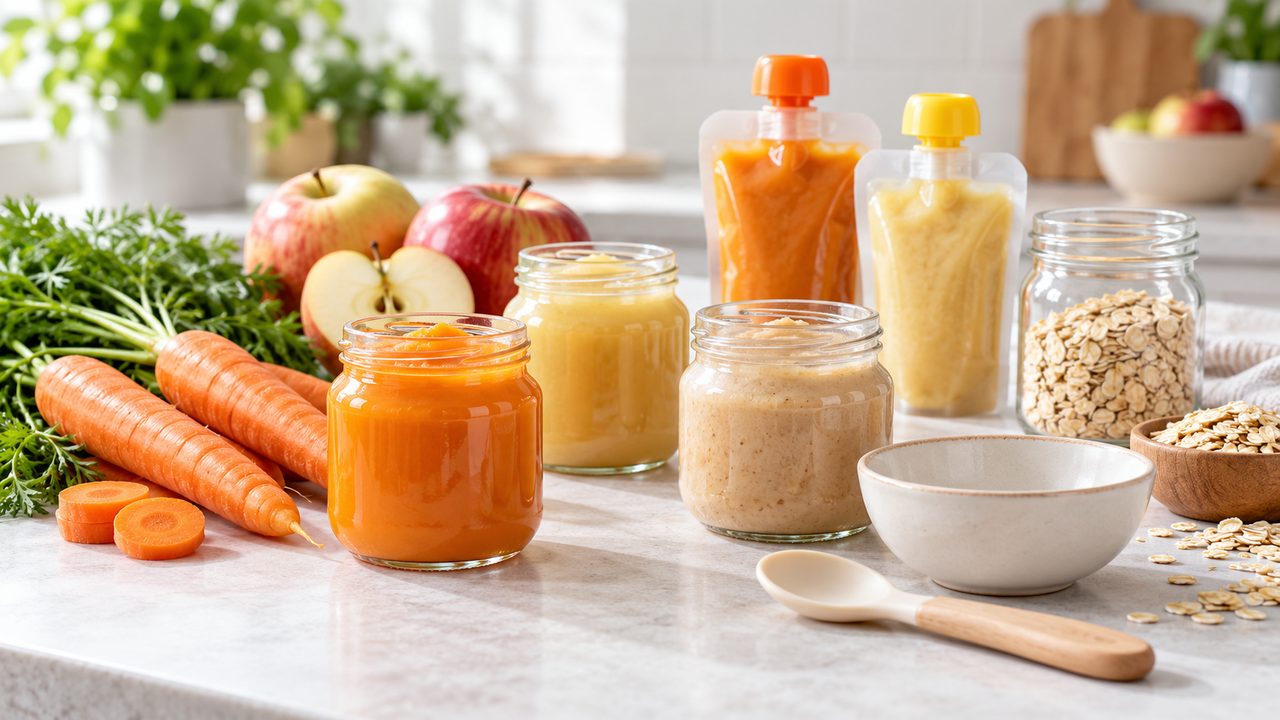
The US Food and Drug Administration published new draft action levels for cadmium in processed food for babies and young children under 2 on 22 October 2026. Depending on the category, the proposed levels run from 10 to 45 parts per billion, or ppb. The measure is intended to encourage manufacturers to reduce contamination. The context matters: the recommendations are not final, apply to the US market and amount to neither a product recall nor new limits in Germany or the EU.
The levels proposed by the FDA
The draft lists 10 ppb for processed fruit, vegetables other than single-ingredient carrots, and grain- or meat-based mixtures. It proposes 25 ppb for single-ingredient carrots and single-ingredient meat, and 20 ppb for yogurt, pudding and custard. The highest draft level, 45 ppb, applies to dry infant cereals.
The categories are not interchangeable: 45 ppb in dry cereal cannot be compared directly with 10 ppb in ready-to-eat puree because the product form and consumed amount differ. The draft excludes infant formula, toddler drinks, other beverages, homemade food and snacks such as grain-based finger foods. The agency is collecting more data on snacks.
What an action level means
The FDA calls the levels non-binding recommendations. After final guidance, it could consider a value above an action level together with measurement confidence and other circumstances when deciding on action. Manufacturers are expected to reduce contamination through ingredient sourcing, supply-chain controls and suitable processing. Zero is not a realistic target because cadmium occurs naturally in soil and can also enter through pollution.
The agency uses a toxicological reference range of 0.21 to 0.36 micrograms per kilogram of body weight per day for cadmium. Bone and kidney effects are treated as the sensitive outcomes in its assessment. The FDA also stresses continued access to nutritious food. An action level is therefore a risk-management tool, not proof that every food below it is ideal or that every result above it is acutely dangerous.
What the draft is expected to change
For single-ingredient carrots, the FDA estimates that applying 25 ppb would lower 90th-percentile cadmium exposure by 32%, while 84% of assessed products already met the level. For dry infant cereal, 45 ppb is projected to cut 90th-percentile exposure by 5%, with 98% achievability. These modelled values come from US data and cannot be transferred to an individual product.
For yogurt, pudding and custard at 20 ppb, and single-ingredient meat at 25 ppb, the agency expects no additional exposure reduction because 100% of assessed products already met the proposed values. The levels mainly aim to keep contamination from rising in those categories.
A calm everyday check for families
- Do not discard products solely because of this news; the draft is not a recall notice.
- Rotate vegetables, fruit, grains and protein sources instead of relying on one product continuously.
- Follow age and preparation instructions and do not concentrate powders more than directed.
- For a specific recall, test result or medical question, use official notices or professional advice.
Variety without alarm
Homemade food is not automatically cadmium-free because plants take cadmium up from soil and water. Packaged baby food is not problematic merely because of its packaging either. Ingredient, origin, controls and consumed amount matter. Kochzauber’s recipes by ingredient support varied combinations; its recipes by meal help plan family cooking.
Conclusion: the FDA draft creates concrete US target levels for several categories for the first time and gives manufacturers a control framework. For families, the appropriate response is neither panic nor one-sided avoidance, but variety and attention to official product information. The further US process will decide whether and in what form the levels become final.
Sources
- US FDA: Closer to Zero update and cadmium drafts, 22 October 2026
- US FDA: draft action levels for cadmium in processed food for babies and young children
- US FDA: background on cadmium in food, testing and the toxicological reference range
Author: Kochzauber editorial team. Updated: 25 October 2026. This article describes non-binding US draft guidance; it is neither a recall notice nor individual medical advice.