Avian flu in autumn: What the new EU campaign means for kitchens and poultry keeping
Ahead of the autumn wild-bird migration, EFSA and the European Commission have launched new practical tools against avian flu. What backyard keepers should do—and how to handle poultry and eggs safely.
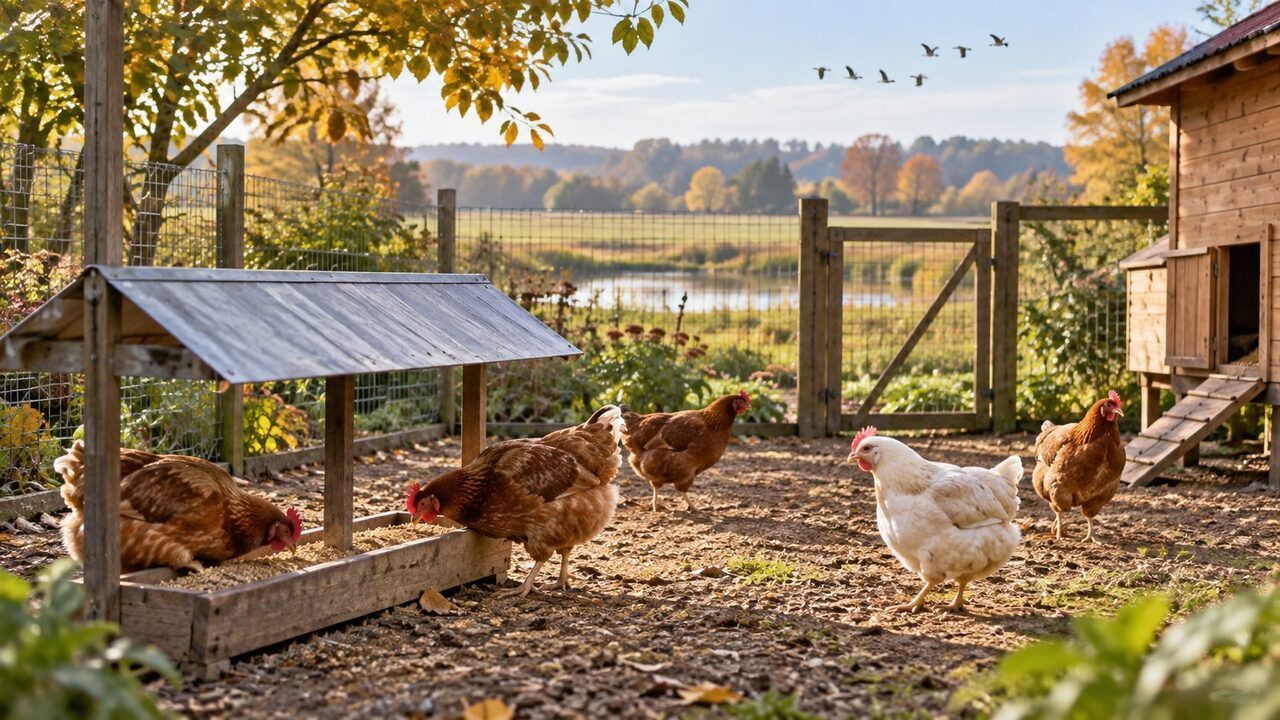
In short: the European Food Safety Authority (EFSA) and the EU Commission have published new German-language bird flu practice aids on 17 September 2026, marking the beginning of the autumn withdrawal of wild birds. The campaign is aimed primarily at farms, private poultry farms and veterinary practices. For consumers, close contact with infected animals is the most important known route of transmission to humans. Poultry meat and eggs should be treated hygienically and thoroughly heated independently.
Why the EU is raising awareness now
The avian influenza, commonly known as avian influenza or poultry flu, mainly affects wild birds and poultry. During the avian migration, the risk of viruses passing on to wild birds in domestic and commercial poultry stocks increases. According to EFSA, almost 2025 outbreaks were recorded in Europe between October 2026 and June 8.000.
These figures describe outbreaks in animals in Europe, and are neither a human disease nor evidence that commercial eggs or poultry products are dangerous in general. The new campaign therefore focuses on areas where introduction into stocks can be avoided: biosecurity, early detection and separation of wild and domestic birds.
Five rules for small poultry holdings
EFSA summarises the precautionary measures in five areas: access control, regular cleaning and disinfection, prevention of contact with wild birds, separation of poultry species and early detection and reporting of disease.
- Protecting food and water: Both are provided in such a way that wild birds have no access to and can no longer register excretions.
- Use your own shoes and equipment: do not untestedly switch between stocks or outdoor areas of clothing, shoes, buckets and tools.
- Limiting visits: Leave only necessary persons in the animal area and clean especially carefully after contact with other poultry.
- Separation of species: Chickens, ducks and geese cannot keep together without a protective concept, because waterfowl can show infections differently.
- Taking anomalies seriously: sudden deaths, significant decline in performance or neurological symptoms are veterinary or government-approved.
The competent veterinary authority decides on what is applicable on the spot. Regional staging or protection measures may change in the short term.
What does that mean for eggs and poultry?
The Federal Institute for Risk Assessment (BfR) writes in its current assessment of February 2026 that it has so far no data proving human disease from foodstuffs containing bird flu viruses. Human infections are rare; direct and close contact with infected animals or their excretions is considered the main route.
Nevertheless, the BfR recommends careful kitchen hygiene. Poultry meat should reach at least 70 degrees Celsius in the core for two minutes. It should then cease to be pink and not give off red meat juice. For eggs, completely solid egg white and egg yolk are the cautious variant. Raw egg dishes such as tiramisu or oatmeal are a special hygiene issue not only in connection with bird flu, but also because of other pathogens.
In cooking, the usual separation of raw poultry is also applied: do not process raw poultry in addition to salad or other ready-to-eat foods, dispose of boiling water immediately and thoroughly clean boards, knives, hands and work areas with warm water and detergents. Poultry should not be washed before baking, as spray water can spread germs in the kitchen. (Dinner; One-pot courses)
What the message does not say
- No new food warning: the EFSA campaign is a prevention measure for animal husbandry, no recall of certain eggs or meat products.
- No price forecast: European outbreak figures do not give a concrete price for eggs or poultry in German trade.
- No animal contact warnings: Dead or sighted wild birds should not be touched with bare hands. Findings may be reported to the local veterinary authority.
- There is no uniform staying requirement: protection measures are based on the regional situation and the regulations of the authorities.
Conclusion: Prevention begins in front of the barn, safety in the kitchen
The new EU campaign is making five well-implemented rules out of a complex animal disease issue. Private poultry farms in particular should now check feeding stations, access points, work clothing and contact with wild birds. Those who do not keep animals do not have to change their normal purchases in principle because of the campaign.
The well-known hygiene measures are still essential for the kitchen: separating raw materials, cleaning hands and appliances, handling poultry's thoroughly spiced and delicate raw eggs with special care, while protecting yourself from several possible pathogens.
Sources and status
- EFSA: #NoBirdFlu: practical tools to reduce bird flu risk, published on 17 September 2026. (#NoBirdFlu: practical tools to reduce the risk of bird flu)
- EFSA: No bird flu: protect your farm, campaign page with infographics and materials, updated on 17 September 2026.
- Federal Institute for Risk Assessment: Hygiene of foodstuffs in times of avian influenza, current assessment of 6 February 2026. (Food hygiene in times of avian influenza)
Author: Kochzauber editorial team. Information and update status: 19 September 2026. The post does not replace the order of the local veterinary authority.